
Water Well Tank Installation: What Size Do You Need?
Water Well Tank Installation in Livingston, TX

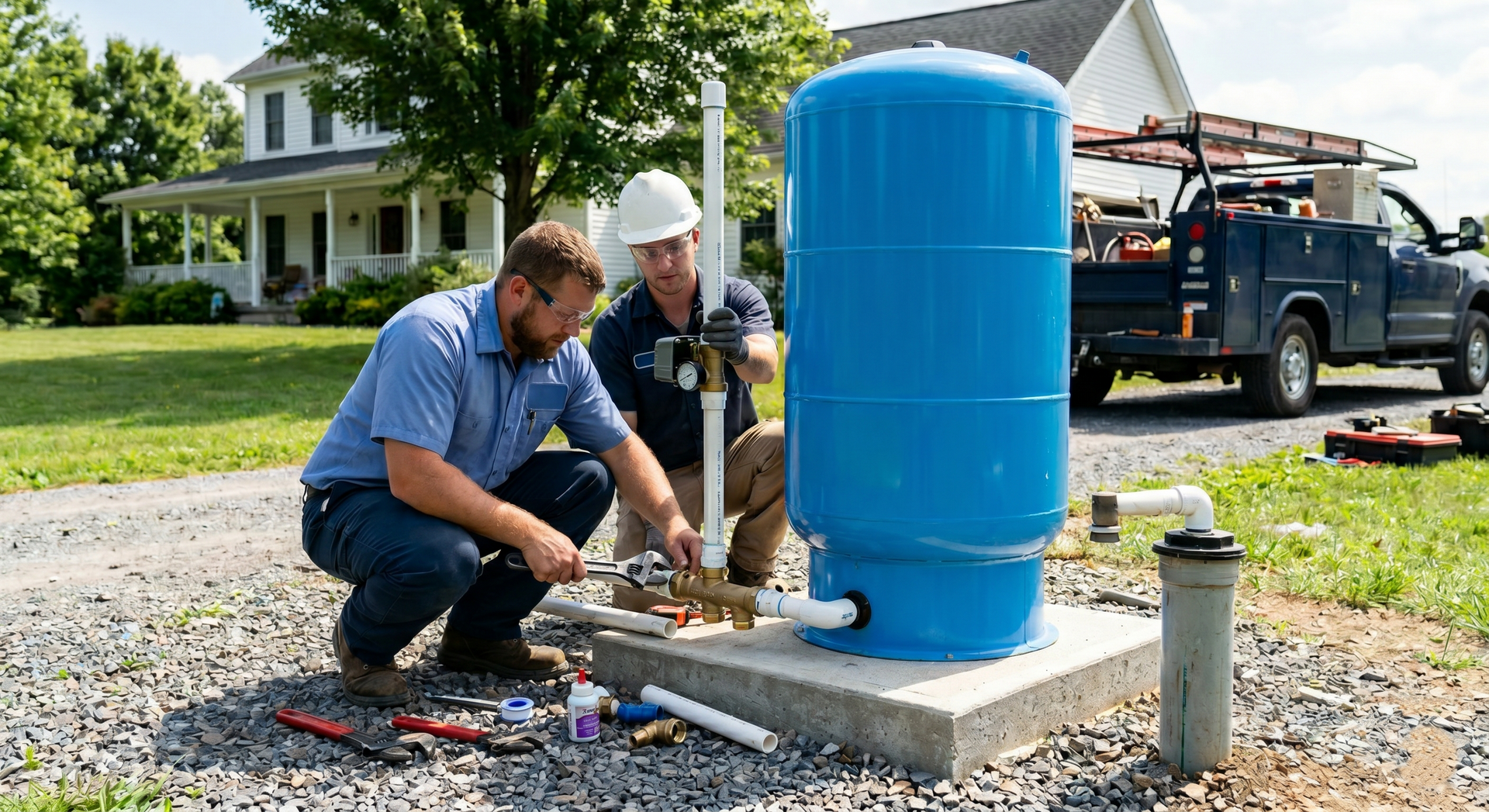
Choosing the right water well tank size is essential to maintaining steady water pressure and protecting your pump from unnecessary wear. Whether you’re installing a new system or replacing an aging tank, understanding your tank size requirements can save you from future headaches and improve your overall water system performance.
Here’s what homeowners near Livingston, TX need to know when planning a water well tank installation.
What Does a Water Well Pressure Tank Do?
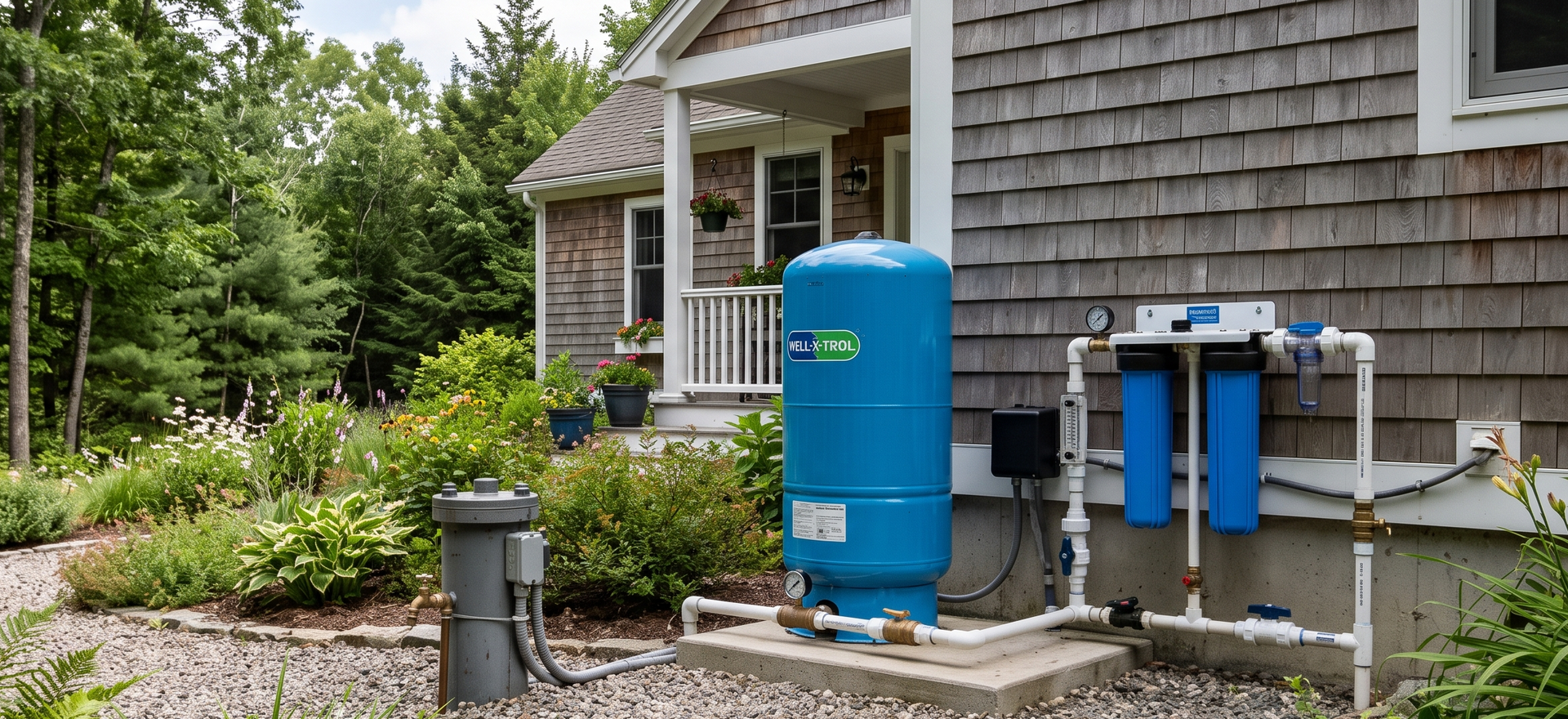
The pressure tank stores water and regulates the flow between your well pump and your household plumbing. Its main functions include:
- Maintaining consistent water pressure
- Reducing pump cycling (on/off switching)
- Providing a buffer of pressurized water for immediate use
- Helping extend the life of your pump
Without the right size tank, your system may experience pressure fluctuations, early pump failure, or inefficient operation.
How to Determine the Right Tank Size
The correct tank size depends on several factors, including your household water usage, pump output, and the type of pressure tank system you use.
1. Household Water Demand
Consider the number of people in your home and typical water use patterns. Larger families, irrigation systems, or homes with multiple bathrooms will require a larger tank to avoid rapid cycling and pressure drops.
2. Pump Flow Rate (Gallons Per Minute)
Your tank should be sized to handle the flow rate of your pump. A good rule is to have one gallon of tank drawdown capacity for each gallon per minute (GPM) of pump output. Drawdown is the amount of water the tank supplies before the pump turns on.
For example, if your pump delivers 10 GPM, your tank should provide at least 10 gallons of drawdown.
3. Pressure Settings
Most tanks operate with a pressure switch setting between 30/50 or 40/60 PSI. The drawdown capacity varies depending on these settings. Your installer will factor this in when calculating the correct tank size.
4. Available Space
Tank dimensions can vary. If space is limited, your technician may recommend a vertical or compact tank that still meets your capacity needs.
Common Tank Sizes for Residential Use
Tank sizes are often measured in total volume (gallons), but what matters most is the usable drawdown capacity. Typical residential systems use tanks with:
- Total volume ranging from small (20 gallons) to large (120+ gallons)
- Drawdown capacity between 6 and 30 gallons, depending on tank type and pressure range
Your installer will ensure the tank size matches your system’s specs and water demands.
Why Proper Sizing Matters
Undersized tanks cause your pump to turn on and off more frequently, known as "short cycling." This leads to:
- Increased wear on the pump motor
- Higher energy consumption
- Shortened system lifespan
- Inconsistent water pressure
Oversized tanks may cost more and take up additional space, but they typically result in longer pump life and better system performance.
Signs You May Need to Replace or Resize Your Tank
- The pump cycles on and off rapidly
- Fluctuating or uneven water pressure
- Air sputtering from faucets
- Rust or moisture around tank fittings
- The tank is more than 10–15 years old
If you’re upgrading your pump, adding fixtures, or remodeling your home, you may also need to increase your tank size.
FAQs About Water Well Tank Installation
Can I install a new tank without replacing the pump?
Yes. As long as the pump is functioning correctly and compatible with the new tank size, you can upgrade your tank independently.
How long do pressure tanks last?
Most last 10 to 15 years with proper maintenance. Age, usage, and water quality can all affect lifespan.
Does a larger tank improve water pressure?
Not directly. Pressure is controlled by the switch and pump. However, a larger tank helps maintain steady pressure by preventing frequent pump cycling.
What’s the difference between total tank size and drawdown?
Total tank size includes both air and water. Drawdown is the amount of water available before the pump must restart. It varies depending on tank design and pressure settings.
Do I need a licensed contractor to install a tank?
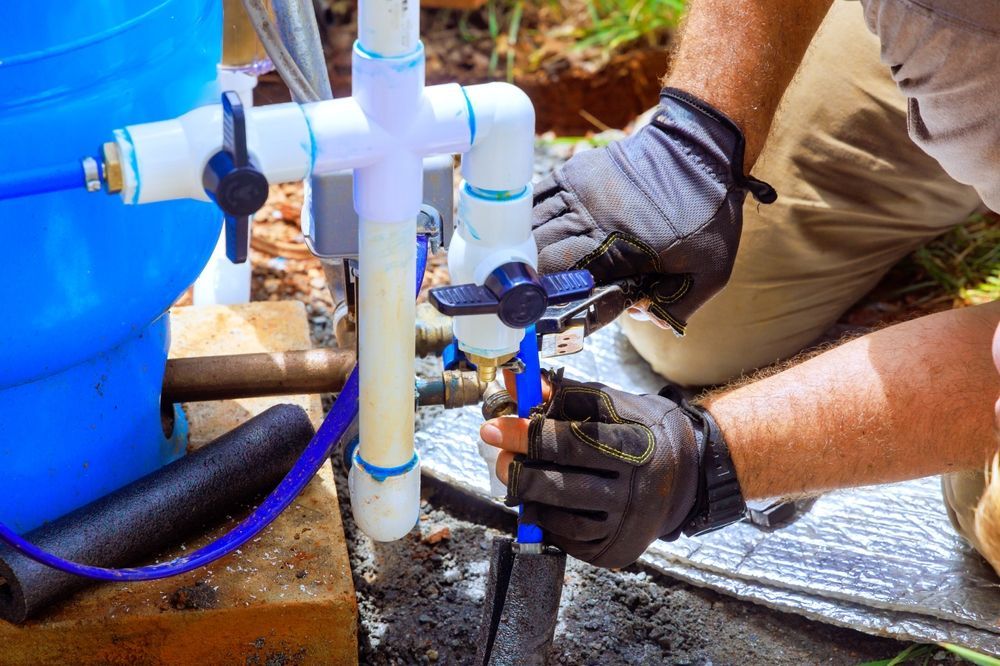
Yes. Proper installation ensures the tank is correctly pressurized, connected, and calibrated to your existing system.
Work With a Local Expert in Livingston, TX
Vanya Water Well Services provides professional water well tank installation and replacement throughout the Livingston area. We’ll assess your home’s water needs, evaluate your current system, and recommend the right tank size for efficient, reliable performance.
Serving homes within a 40-mile radius of Livingston, our team ensures every installation is done right the first time.
Schedule a consultation today or request service at:
https://www.vanyawaterwellservice.com