Keeping your water well in good condition is essential to ensuring clean, safe, and uninterrupted water supply to your home. Regular maintenance not only extends the life of your well and pump system, but it also protects your water quality and prevents costly repairs.
If you’re a homeowner in or around Livingston, TX, here is a practical water well maintenance checklist you can follow year-round.
Why Well Maintenance Matters
Water wells are out of sight, but they should never be out of mind. Even if your system seems to be working fine, small issues can develop without warning. Routine inspection and upkeep can:
- Help maintain consistent water pressure
- Improve pump efficiency and lifespan
- Prevent contamination from surface water or bacteria
- Keep water clear of sediment and debris
- Avoid expensive emergency repairs
Annual Water Well Maintenance Checklist
1. Schedule a Professional Well Inspection
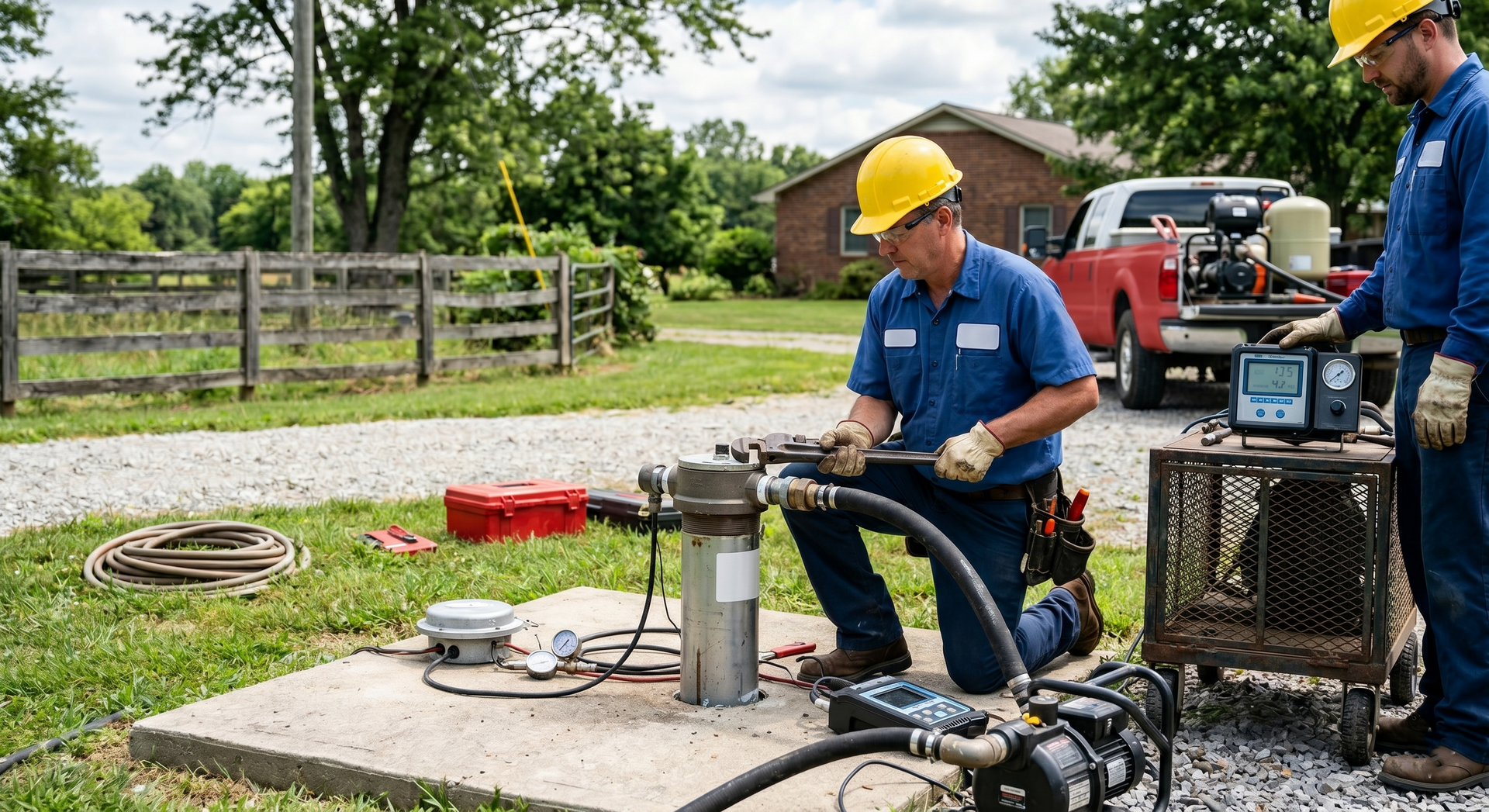
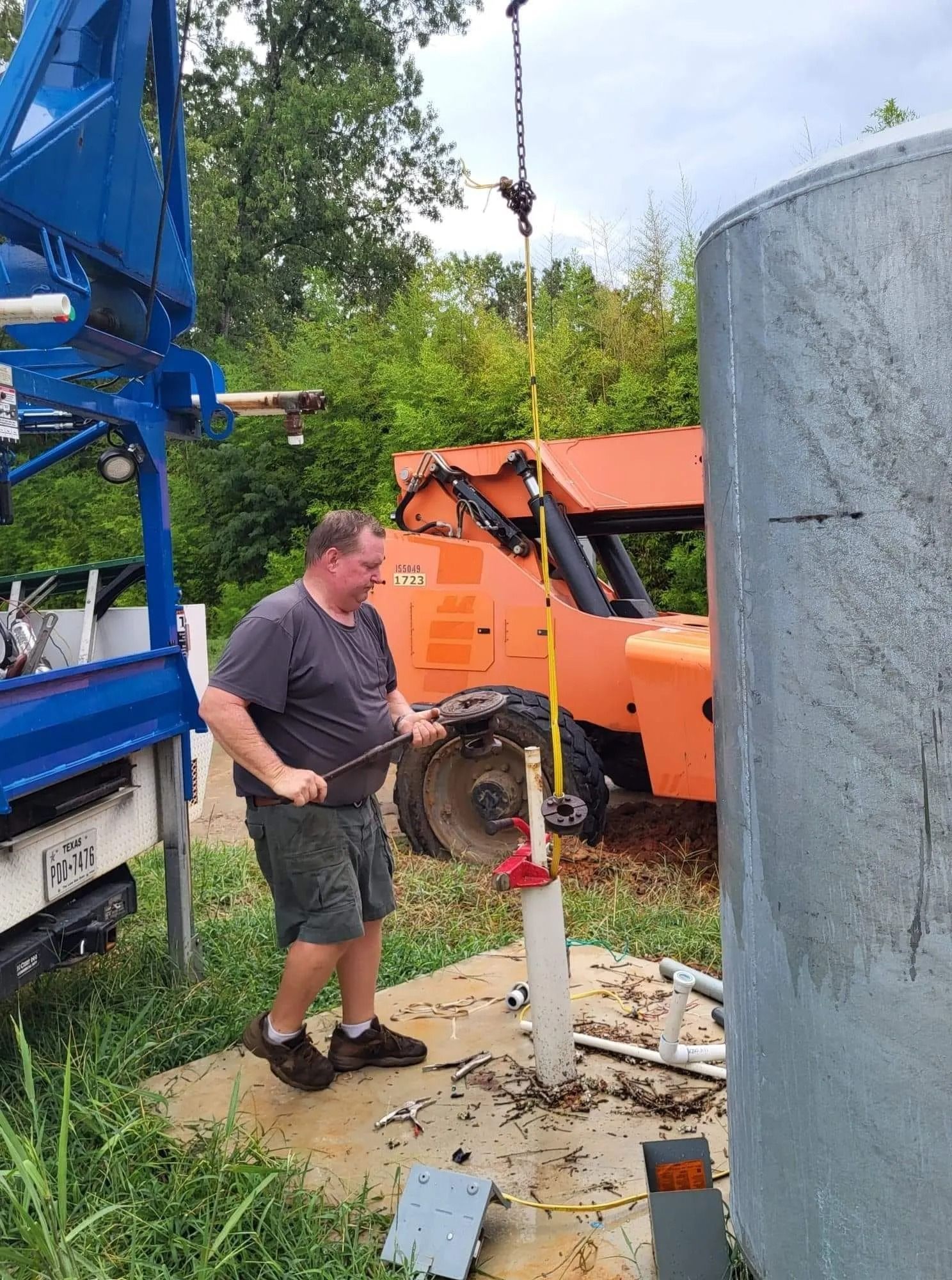
Once a year, have a licensed well technician inspect your system. A full inspection typically includes:
- Checking the wellhead and casing for damage
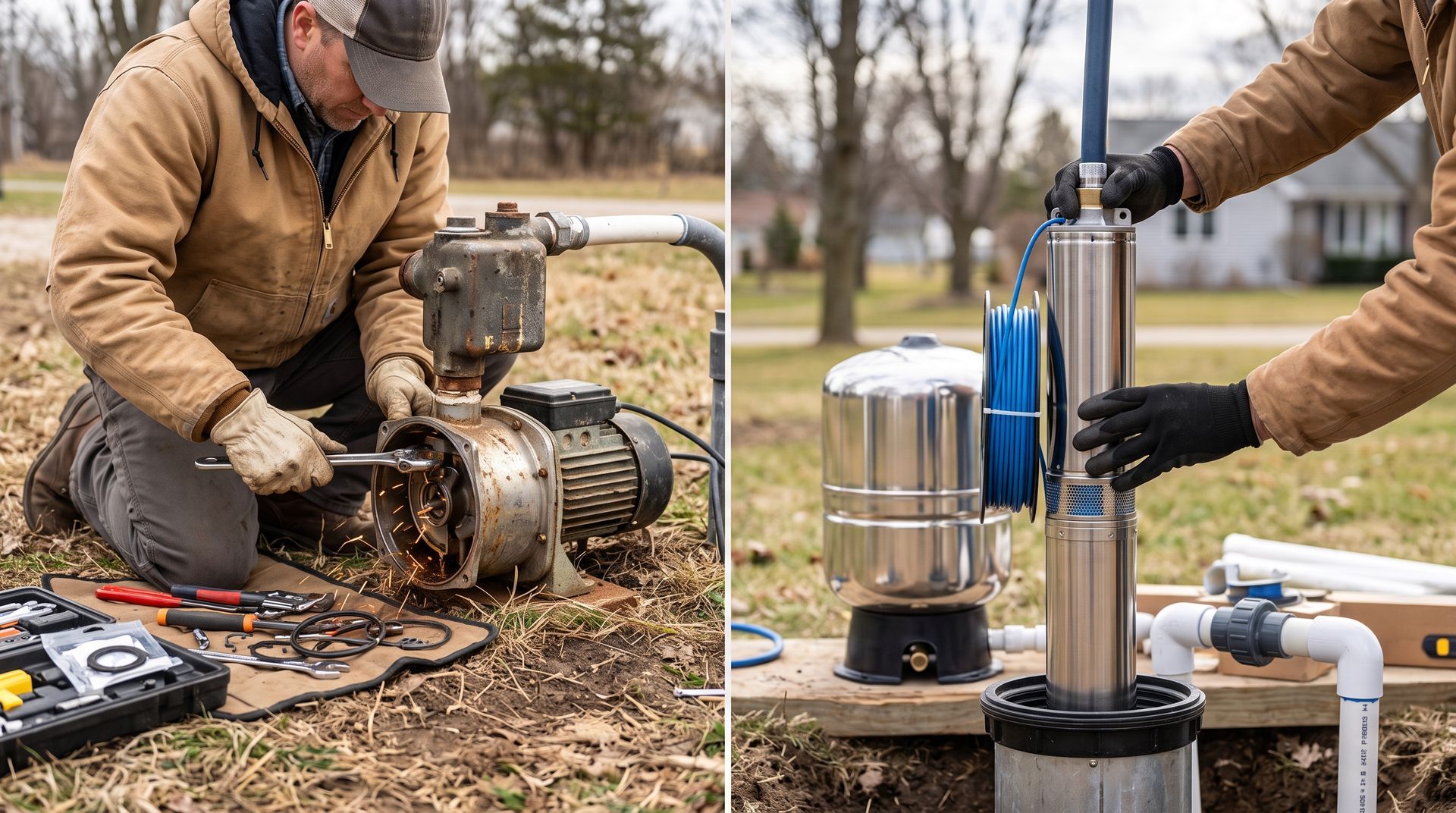
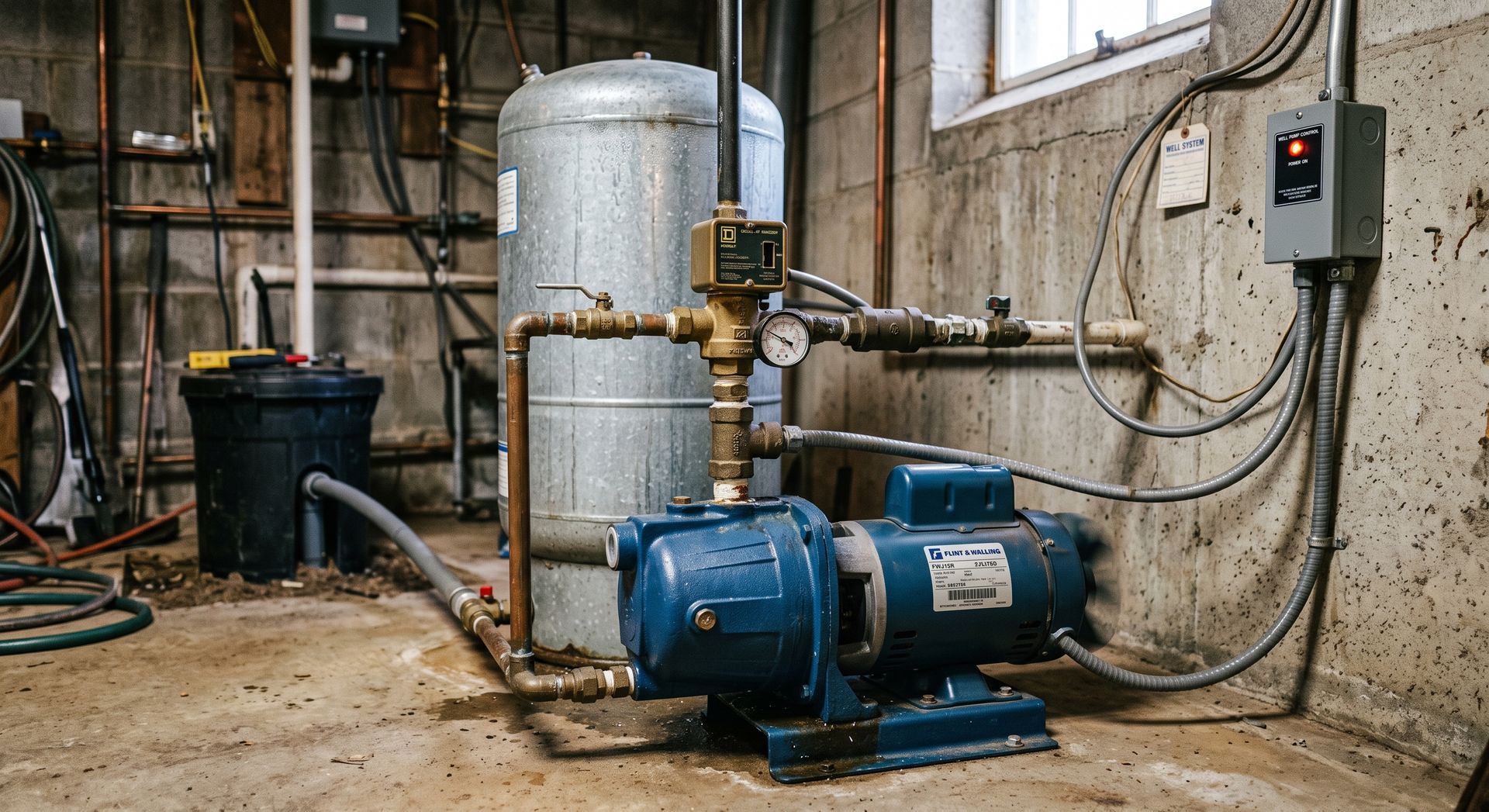
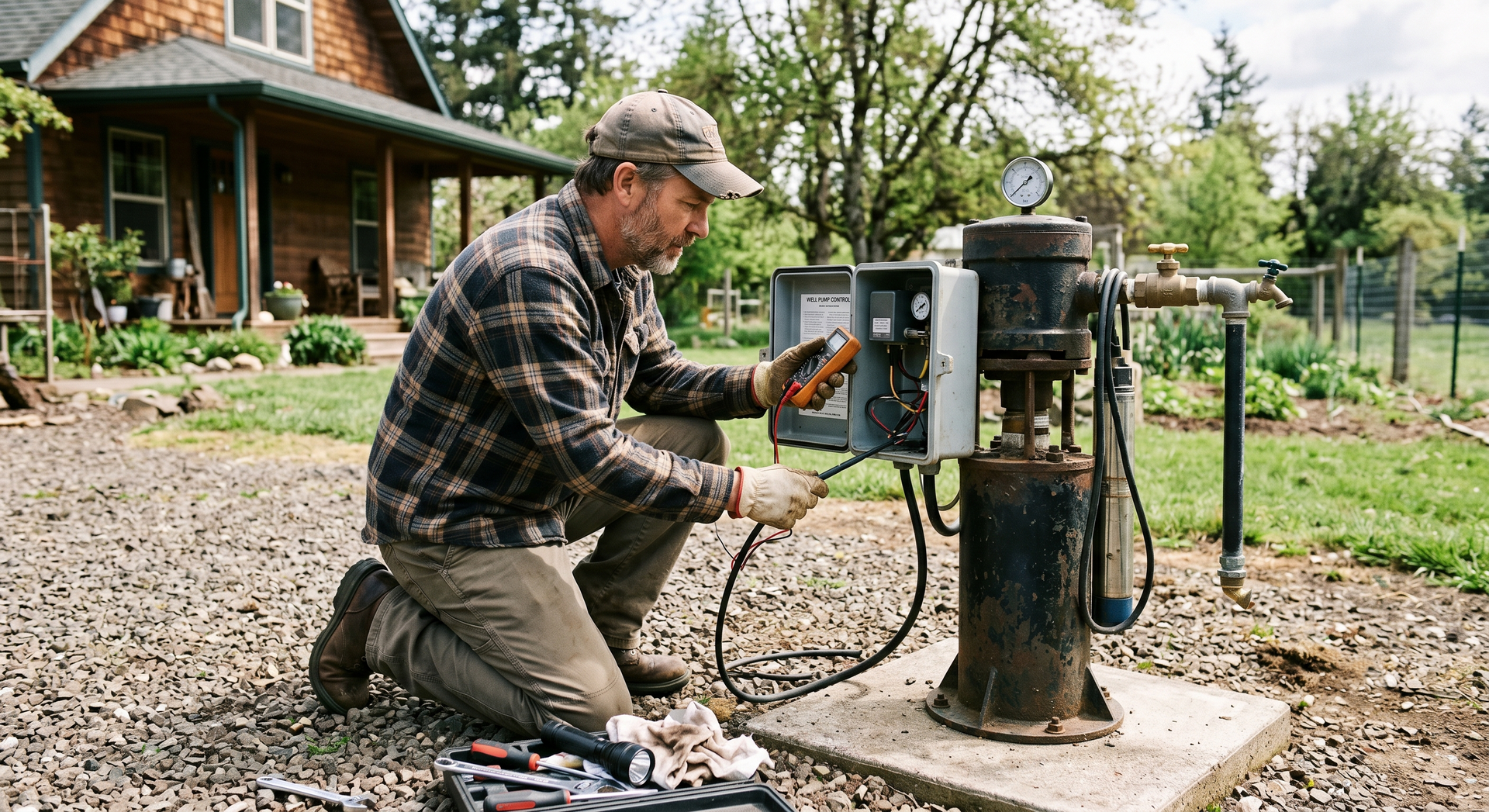
- Testing the water pump and motor performance
- Inspecting pressure switch operation
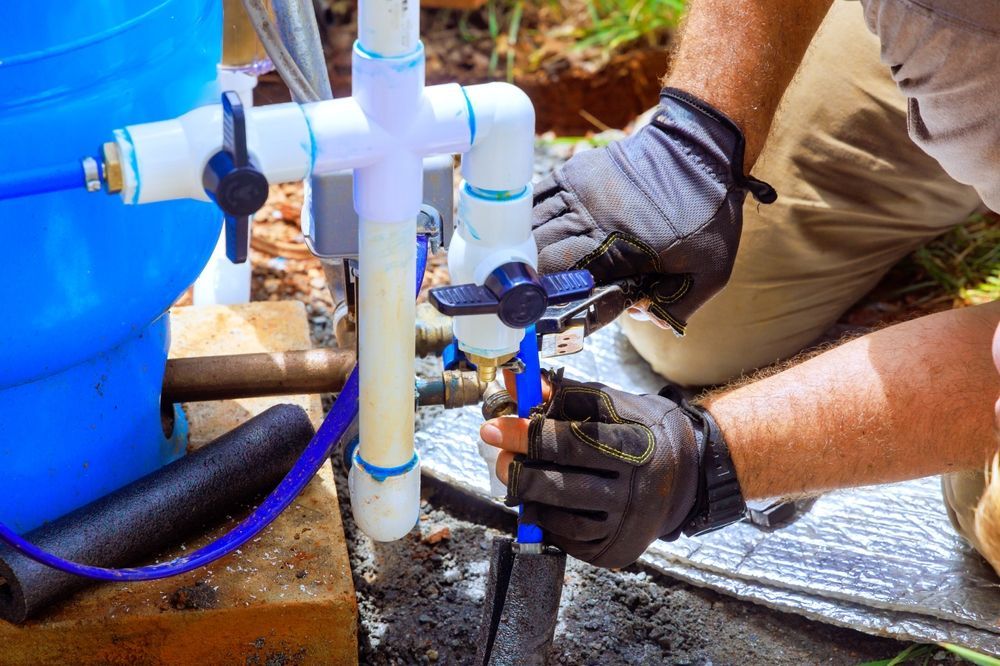
- Evaluating the pressure tank for proper air charge
- Looking for leaks, corrosion, or other visible signs of wear
Annual inspections are especially important for wells older than 10 years or homes with heavy water usage.
2. Test Water Quality
Your well water should be tested at least once a year for:
- Bacteria (such as coliform)
- Nitrates
- pH levels
- Total dissolved solids
- Local contaminants (if applicable)
This helps ensure your drinking water remains safe and compliant with health standards.
3. Inspect and Clean the Well Cap
The well cap protects your system from debris, insects, and surface contaminants. Make sure it is:
- Tightly sealed
- Securely fastened
- Free of cracks or damage
Clear away leaves, grass, or dirt buildup from around the cap. The area around your well should slope away from the casing to prevent water pooling.
4. Check the Pressure Tank
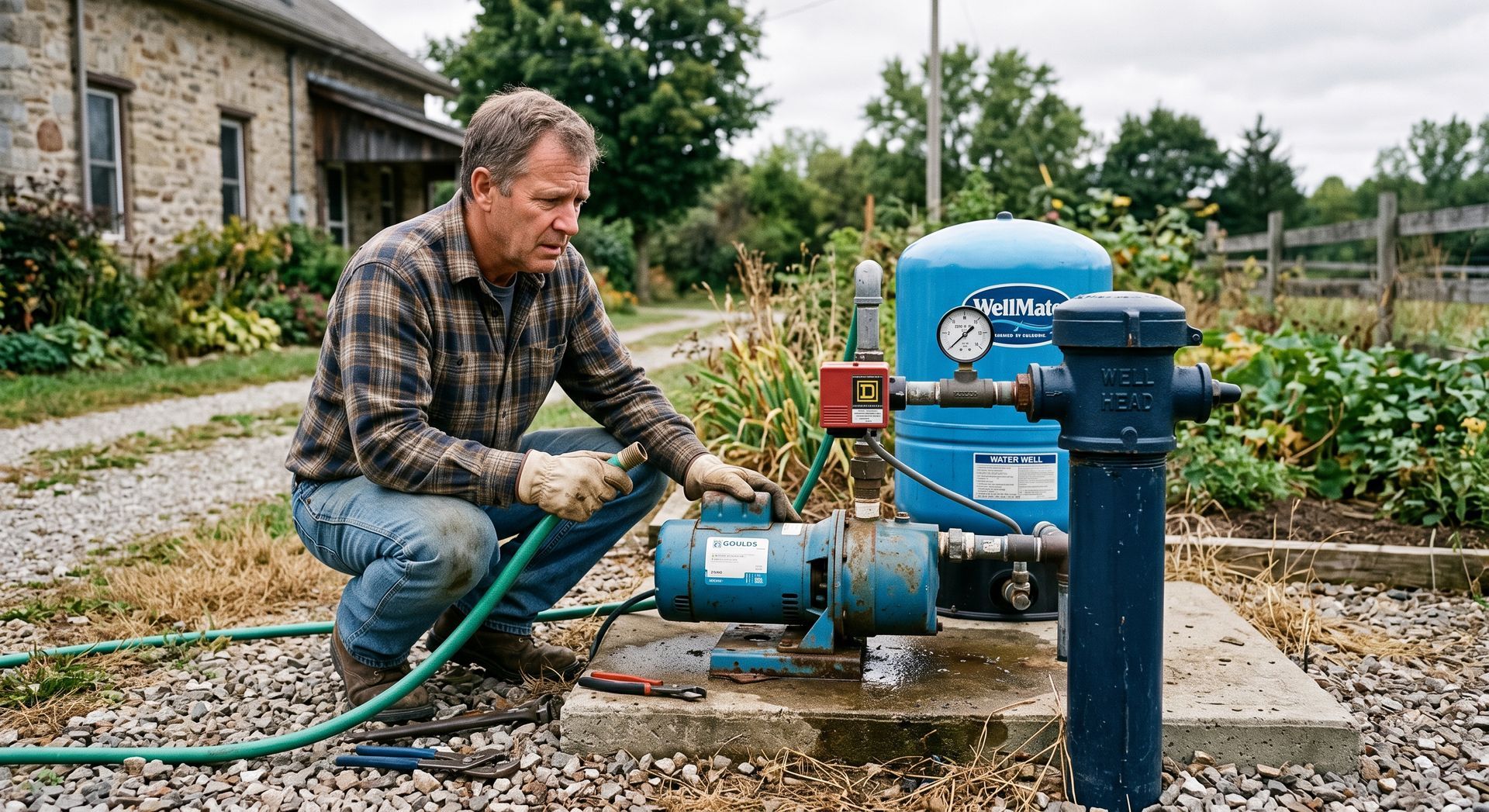
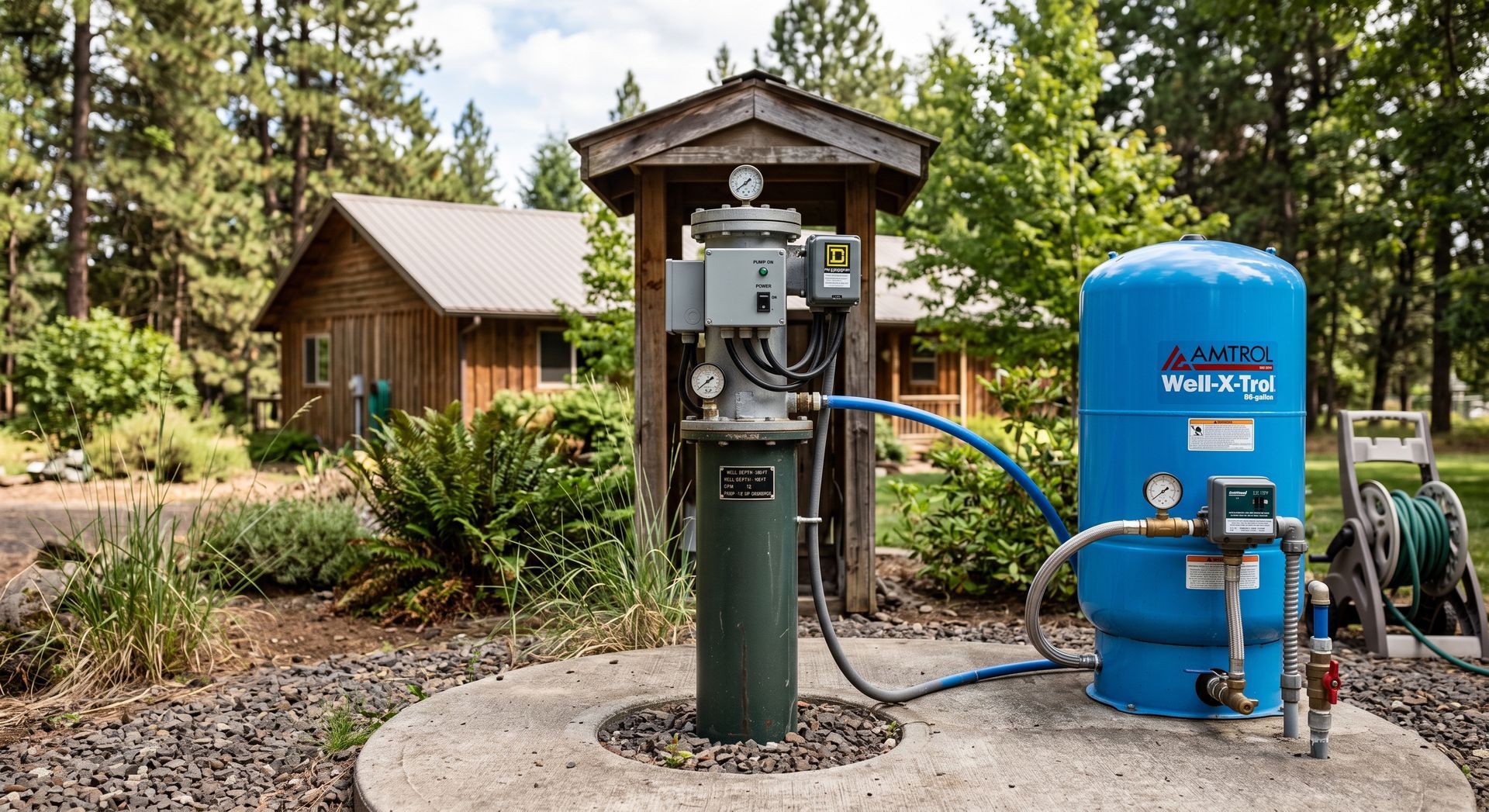
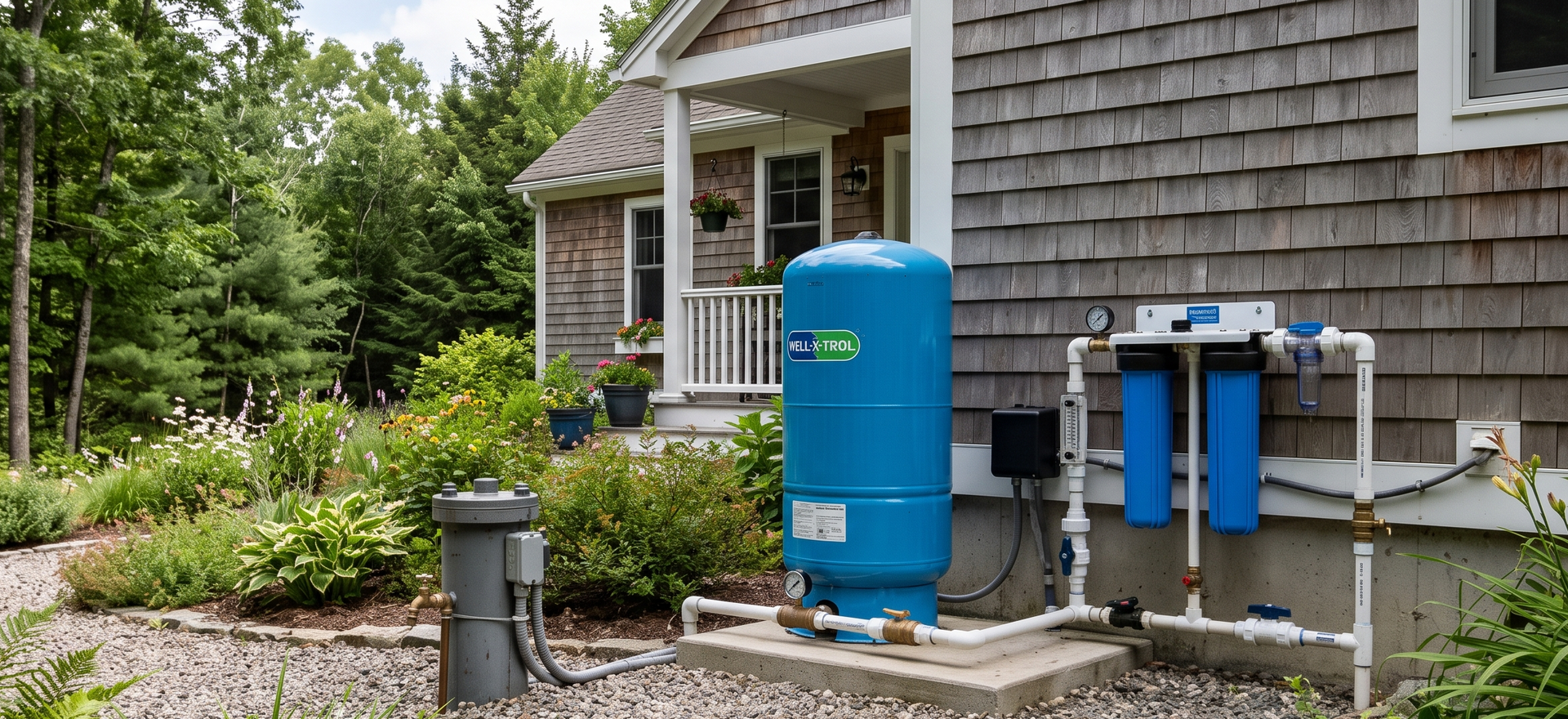
The pressure tank helps regulate flow and protects the pump from cycling too often. Signs that it needs attention include:
- Fluctuating water pressure
- Rapid clicking or short cycling of the pum
- Moisture or rust around fittings
A waterlogged tank or failing air bladder can reduce system efficiency and shorten pump life.
5. Clean or Replace Filters
If your system includes sediment or carbon filters, follow the manufacturer’s guidelines for cleaning or replacement. Dirty filters can lower water pressure and introduce unwanted tastes or odors.
6. Monitor Water Pressure
Track your water pressure over time. A noticeable drop could indicate sediment buildup, pump wear, or problems with the pressure switch or tank. Keeping a written record can help spot trends or gradual decline.
7. Avoid Hazardous Chemicals Near the Well
Keep fertilizers, pesticides, oil, and other hazardous substances at least 100 feet away from your well. If spilled or applied too close, they can seep into the groundwater and contaminate your supply.
Additional Maintenance Tips for Homeowners
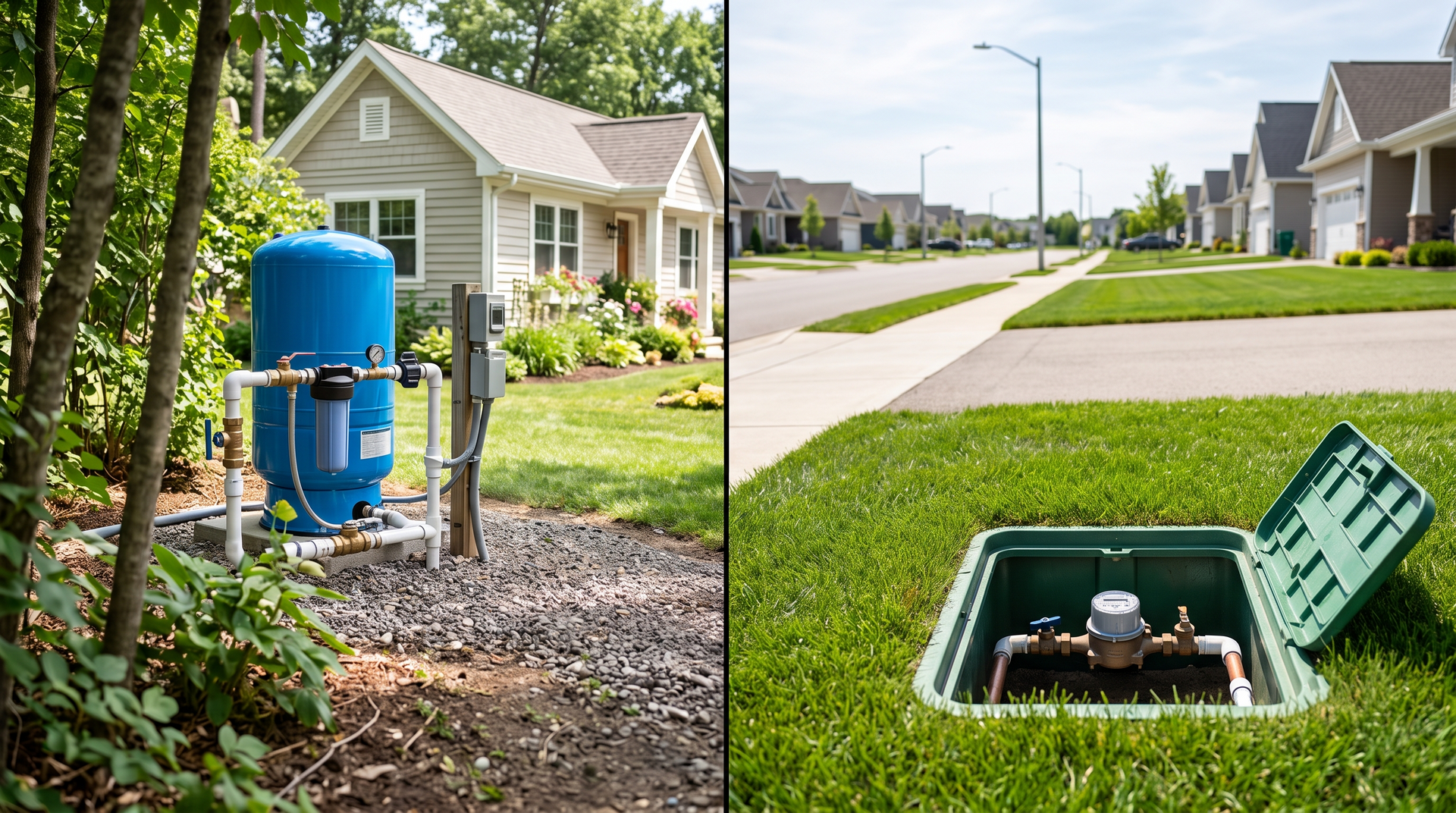
- Know the location of your well and make sure it’s accessible for inspection and service.
- Keep records of all service and test results. This documentation is useful for future repairs or property sales.
- Run water regularly. Wells that sit idle may develop bacterial growth or sediment buildup.
- Be alert to changes. Watch for cloudy water, strange smells, or pressure drops—these can be early signs of problems.
FAQs About Well Maintenance
How often should a well be serviced?
An annual inspection is recommended for most residential wells. More frequent maintenance may be needed if the water supply is heavily used or if the well is older.
Is it safe to do maintenance myself?
While you can check for visible issues and keep the area clean, internal components like pumps and electrical systems should be handled by a licensed technician.
What causes wells to become contaminated?
Surface water intrusion, damaged casing, or nearby chemical use can introduce bacteria or pollutants into your well. Proper sealing and regular inspections help prevent this.
Can a neglected well be restored?
In many cases, yes. Cleaning, disinfection, or equipment upgrades can bring an underperforming well back into reliable service, depending on its condition.
How do I know if my water is safe?
Only lab testing can confirm water safety. You should test for bacteria and common contaminants annually and anytime you notice a change in taste, smell, or appearance.
Local Experts for Well Maintenance in Livingston, TX
Vanya Water Well Services provides professional well maintenance throughout Livingston and surrounding areas. We offer complete inspections, pump system diagnostics, water quality testing, and preventative care to keep your well system working reliably.
Let us help you avoid unexpected breakdowns and ensure safe water for your home year-round.
Schedule a maintenance appointment today at:
https://www.vanyawaterwellservice.com