
Well Water Pressure Problems? Here's What Causes It

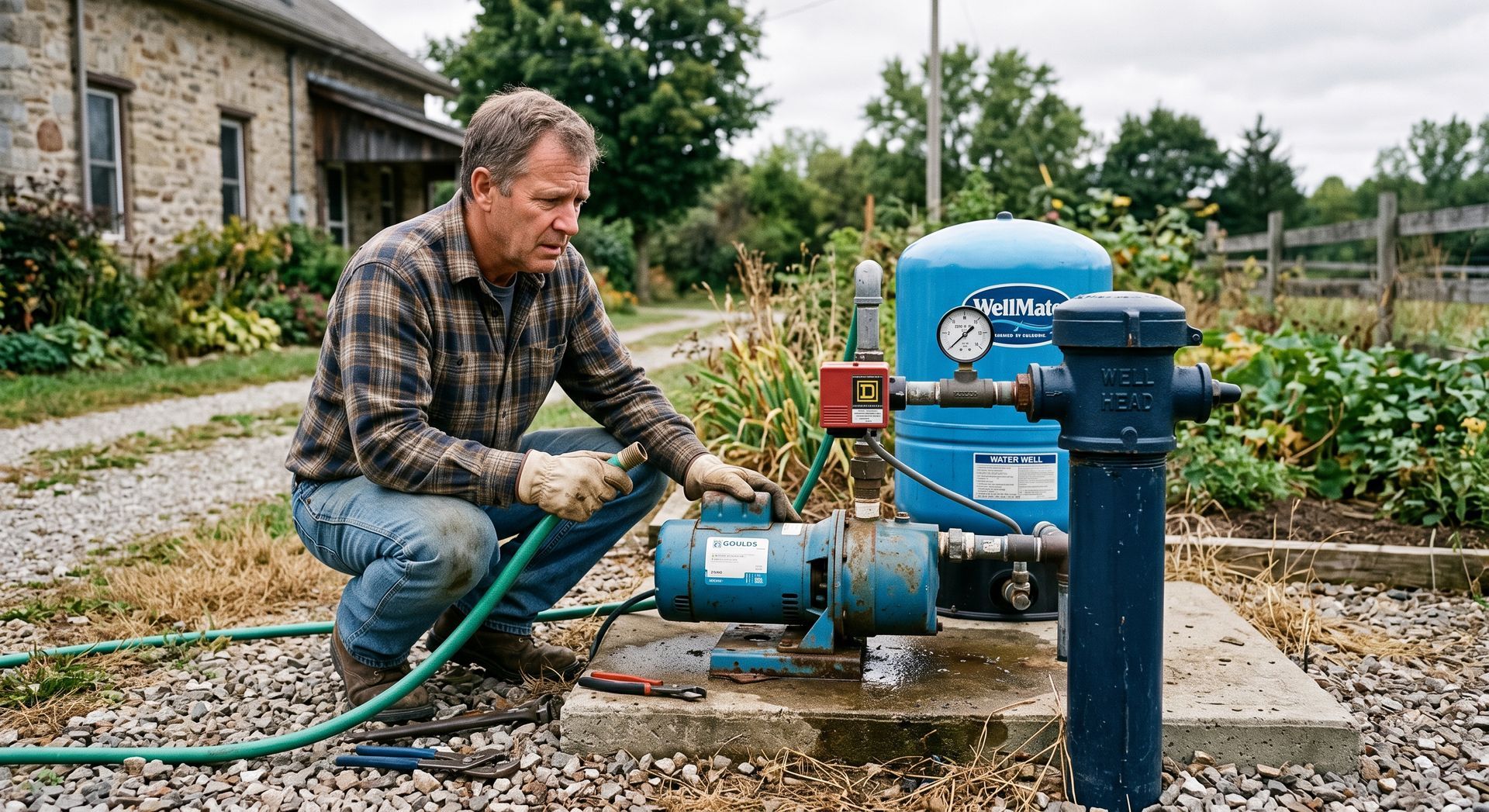
Experiencing weak water flow or sudden drops in pressure? Well water pressure issues can disrupt daily routines and signal bigger problems in your water system. For homeowners near Livingston, TX, identifying the cause early can help prevent system damage and ensure steady, reliable water throughout your home.
What Is Normal Water Pressure for a Well System?
Most well systems are designed to maintain household water pressure between 40 and 60 PSI (pounds per square inch). If you’re seeing significantly lower pressure than this — or wide fluctuations — it may be time for inspection or repair.
Water pressure problems can develop suddenly or worsen over time. Either way, they're a sign something isn't functioning properly in the well, pump, or plumbing.
Common Causes of Low Well Water Pressure
1. Clogged Pipes or Filters
Sediment, mineral buildup, and rust inside pipes or filters can restrict water flow. Homes with hard water may see faster accumulation of deposits that reduce pressure.
2. Failing or Undersized Pump
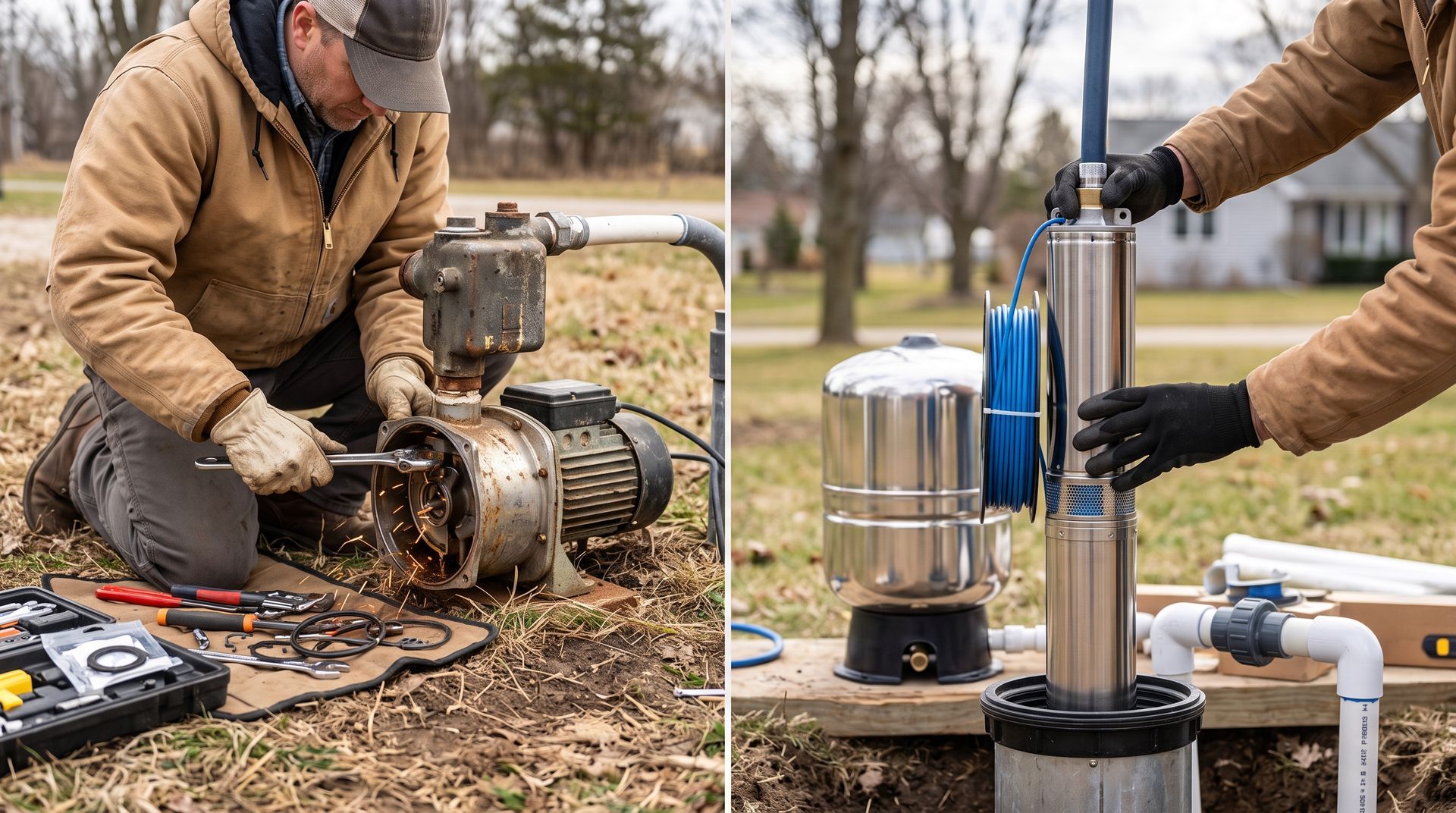
If the well pump is aging or too small for your home’s water needs, it may not deliver enough water to maintain pressure. This is especially common in homes with system expansions or increased demand.
3. Malfunctioning Pressure Switch
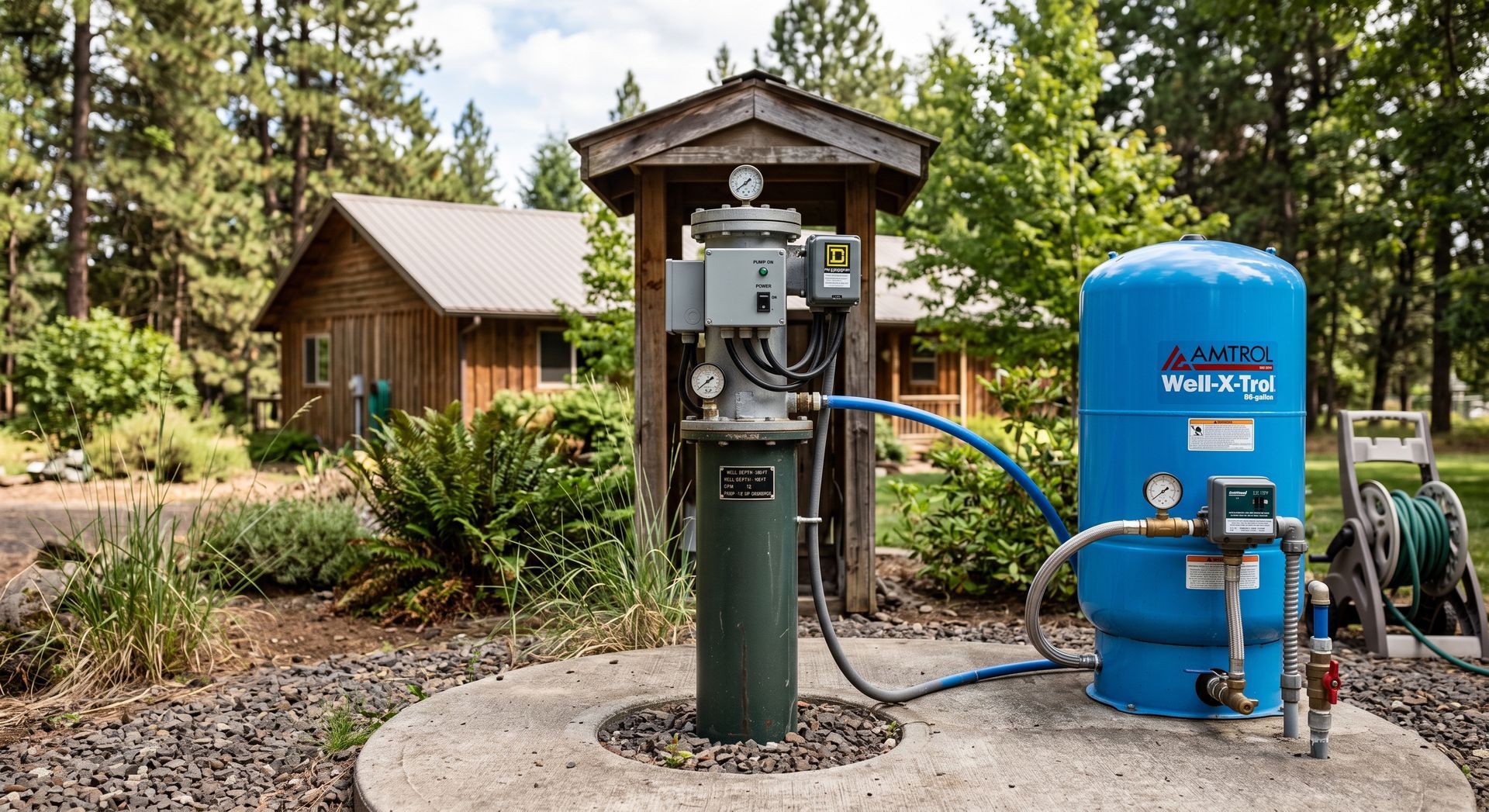
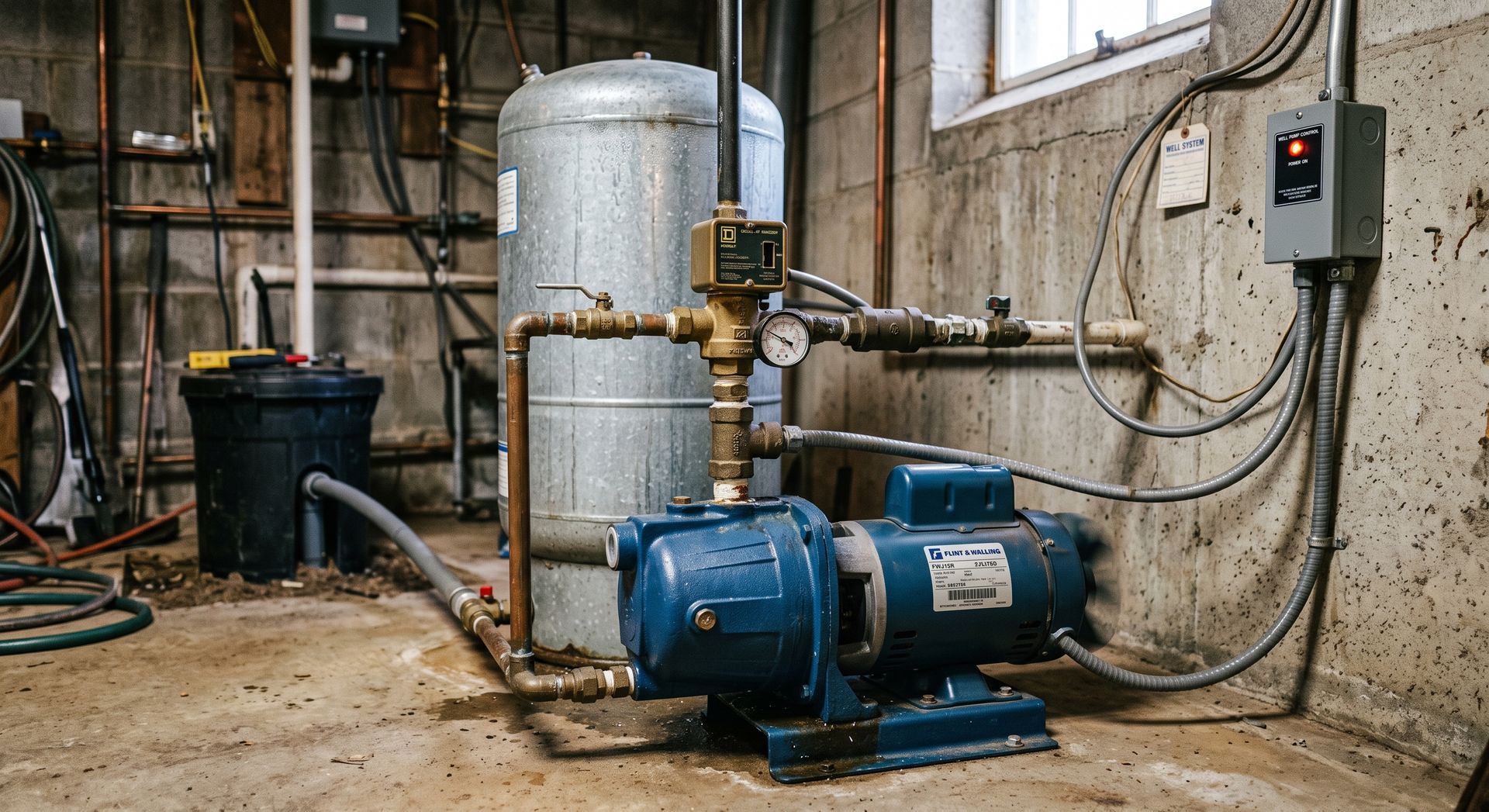
The pressure switch tells the pump when to turn on and off. If it’s worn out or incorrectly calibrated, it can cause erratic pressure levels or stop the pump from turning on when needed.
4. Air in the System
If air enters the plumbing system due to a leak or drop in water levels, you may notice sputtering faucets and uneven water pressure.
5. Leaks in the Plumbing
Underground leaks or broken lines can cause a drop in pressure before water even reaches your home. These leaks can also lead to water waste and higher electric bills if the pump runs excessively.
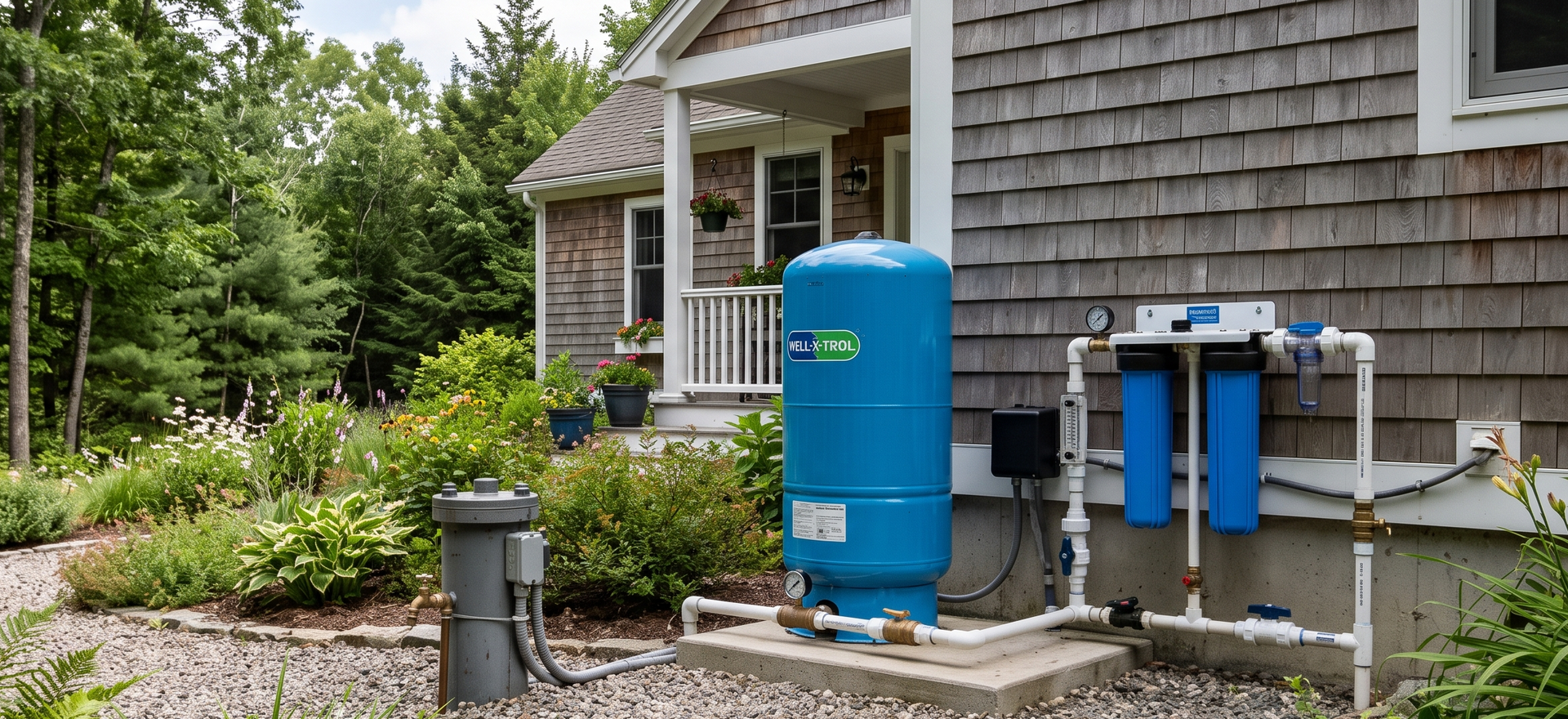
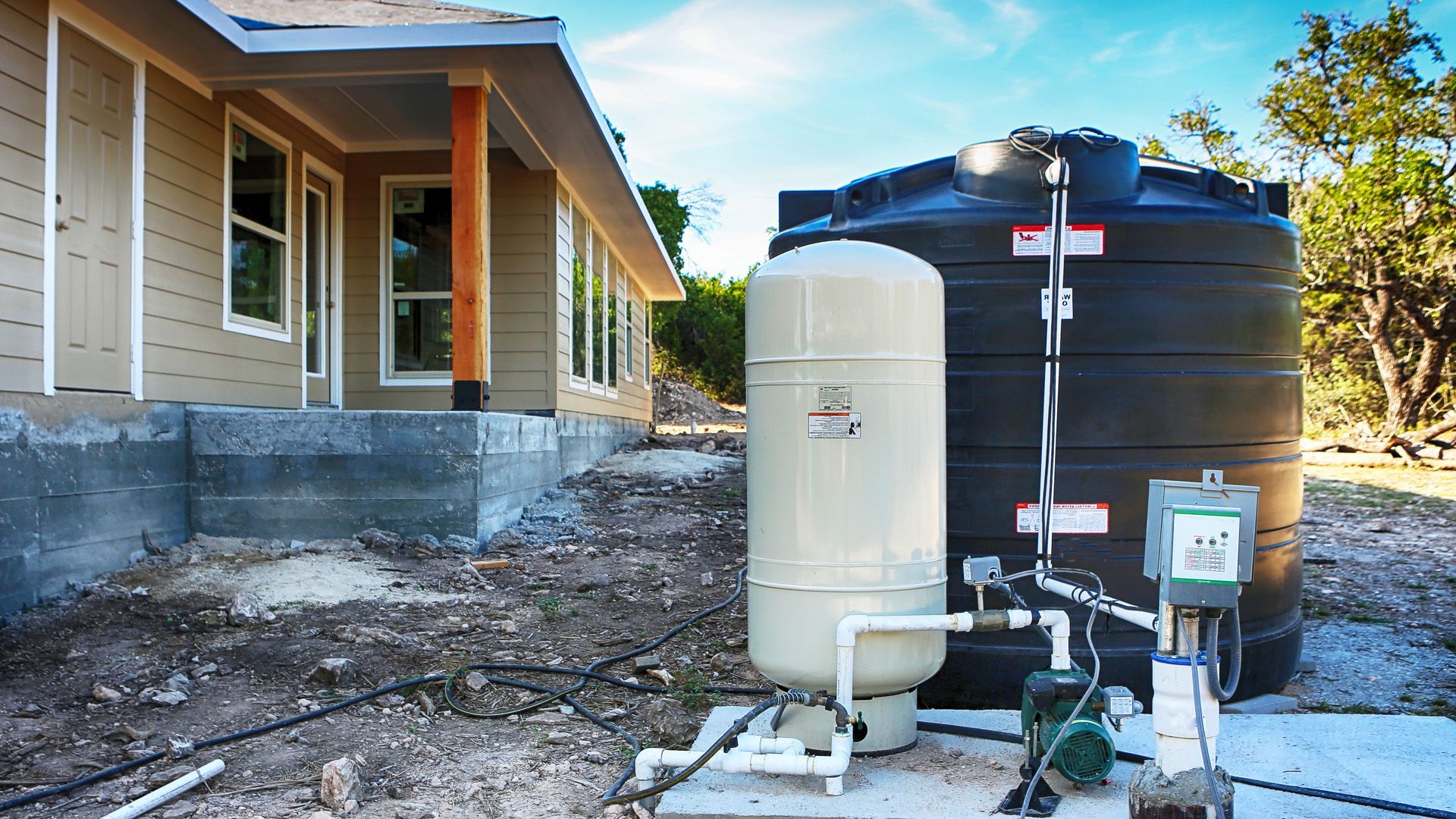
6. Faulty or Waterlogged Pressure Tank
A damaged pressure tank can no longer regulate pressure effectively. Waterlogged tanks (where air is lost or separated from water) lead to frequent pump cycling and inconsistent pressure.
7. Drop in Water Table
During periods of drought or high demand, the groundwater level may drop temporarily. If the pump is no longer fully submerged, pressure can decrease or fluctuate.
Diagnosing the Problem
To find the cause of water pressure problems, a technician will:
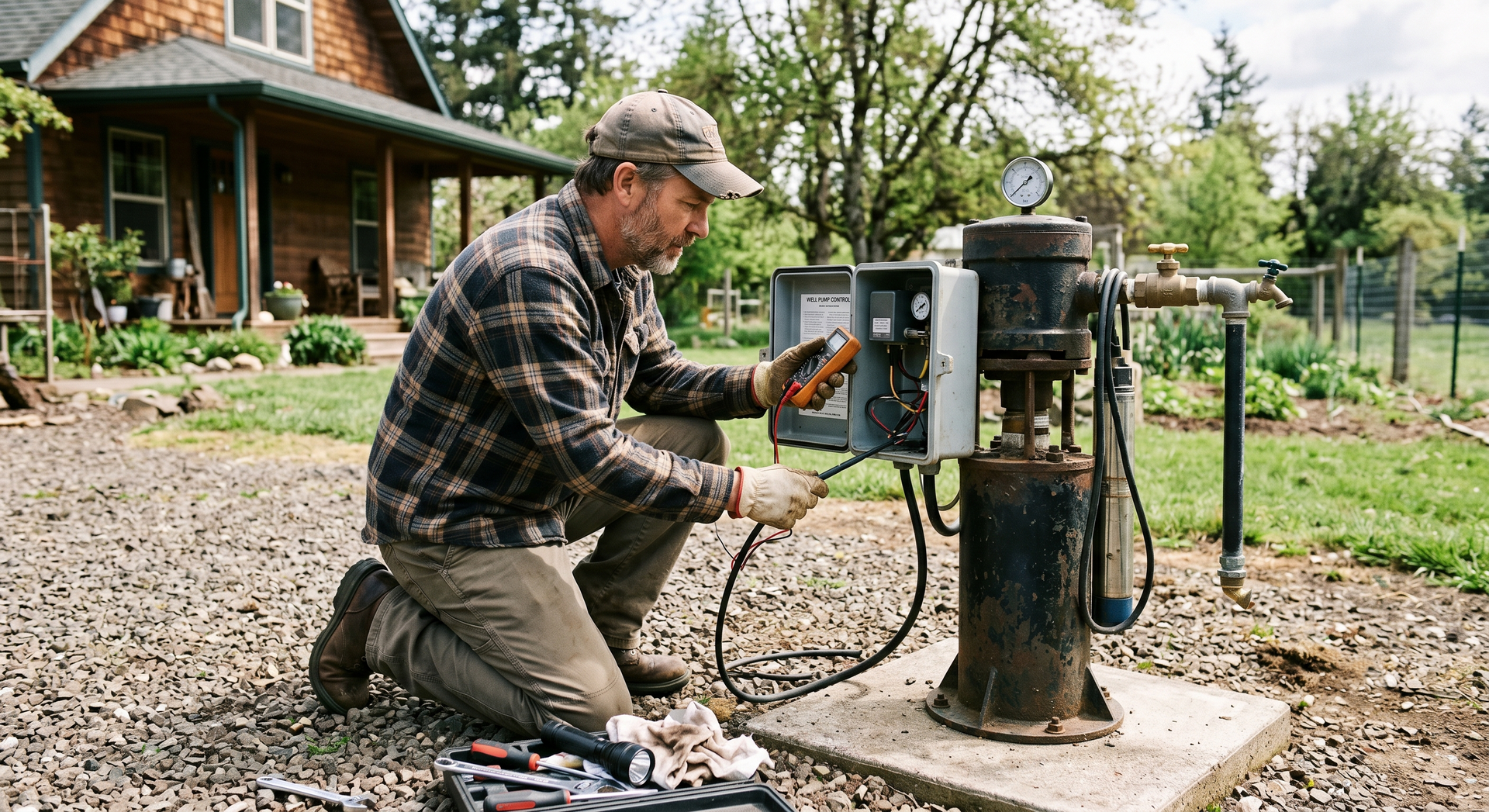
- Check pump performance and electrical components
- Inspect the pressure switch for proper calibration
- Evaluate the pressure tank for damage or waterlogging
- Test flow rates and pressure at various points in the system
- Look for signs of sediment blockage or pipe leaks
Proper diagnosis ensures that the repair targets the actual issue and avoids unnecessary replacements.
Can Pressure Be Boosted?
Yes. If the system is functioning properly but pressure remains low, upgrades can improve flow, including:
- Installing a constant pressure system
- Upgrading to a larger pressure tank
- Replacing an undersized pump
- Adding a pressure booster pump
These solutions are best determined after a full system evaluation to avoid over-pressurizing or damaging the system.
How to Prevent Future Pressure Problems
Regular maintenance is the most effective way to avoid unexpected drops in pressure. We recommend:
- Annual system inspections
- Replacing filters regularly
- Testing water quality to monitor sediment or mineral content
- Monitoring pump run times and pressure tank cycling
- Checking pressure switch settings during seasonal changes
Preventative care helps you spot small issues before they affect your water supply or damage your equipment.
FAQs About Well Water Pressure
What should I do first if my water pressure drops?
Check other faucets and appliances to see if the issue is isolated. Then inspect your pressure gauge and circuit breaker. If the problem persists, call a licensed technician.
Can hard water cause pressure issues?
Yes. Mineral buildup from hard water can clog pipes and filters, reducing flow and pressure over time.
How do I know if my pressure tank is the problem?
If your pump cycles on and off rapidly or you hear water surging in your pipes, it may be a pressure tank issue. A technician can test the tank's air charge and bladder function.
Should I replace my pump if the pressure is low?
Not always. Many pressure issues stem from switches, tanks, or plumbing. A pump should only be replaced after confirming it is the source of the problem.
Is low pressure always a sign of a serious issue?
Not necessarily, but it's best not to ignore it. Early evaluation can often identify simple fixes before they turn into major repairs.
Call Vanya Water Well Services for Pressure Problems Near Livingston, TX
If you’re noticing inconsistent or weak water flow, Vanya Water Well Services can help. We specialize in diagnosing and repairing pressure problems for well systems throughout the Livingston area.
Our team will inspect your system, recommend the right fix, and restore your water pressure quickly and professionally.
Schedule an appointment or request service at:
https://www.vanyawaterwellservice.com