
No Water From Your Well? What to Do Before Calling for Repair

If you suddenly have no water from your well, first check whether the problem affects the entire property, confirm the well pump has power, and look for a tripped breaker or obvious plumbing leak. If power is available but water does not return, the problem may involve the pump, pressure system, electrical controls, piping, or water level.
A few safe checks can provide useful information before calling for professional well repair in Livingston, TX, but avoid repeated resets or electrical adjustments that could make the problem worse.
Why Would a Well Suddenly Stop Producing Water?
A loss of water does not automatically mean the well is dry or the pump needs replacement. Several components work together to deliver water to your home.
The Well Pump Has Lost Power
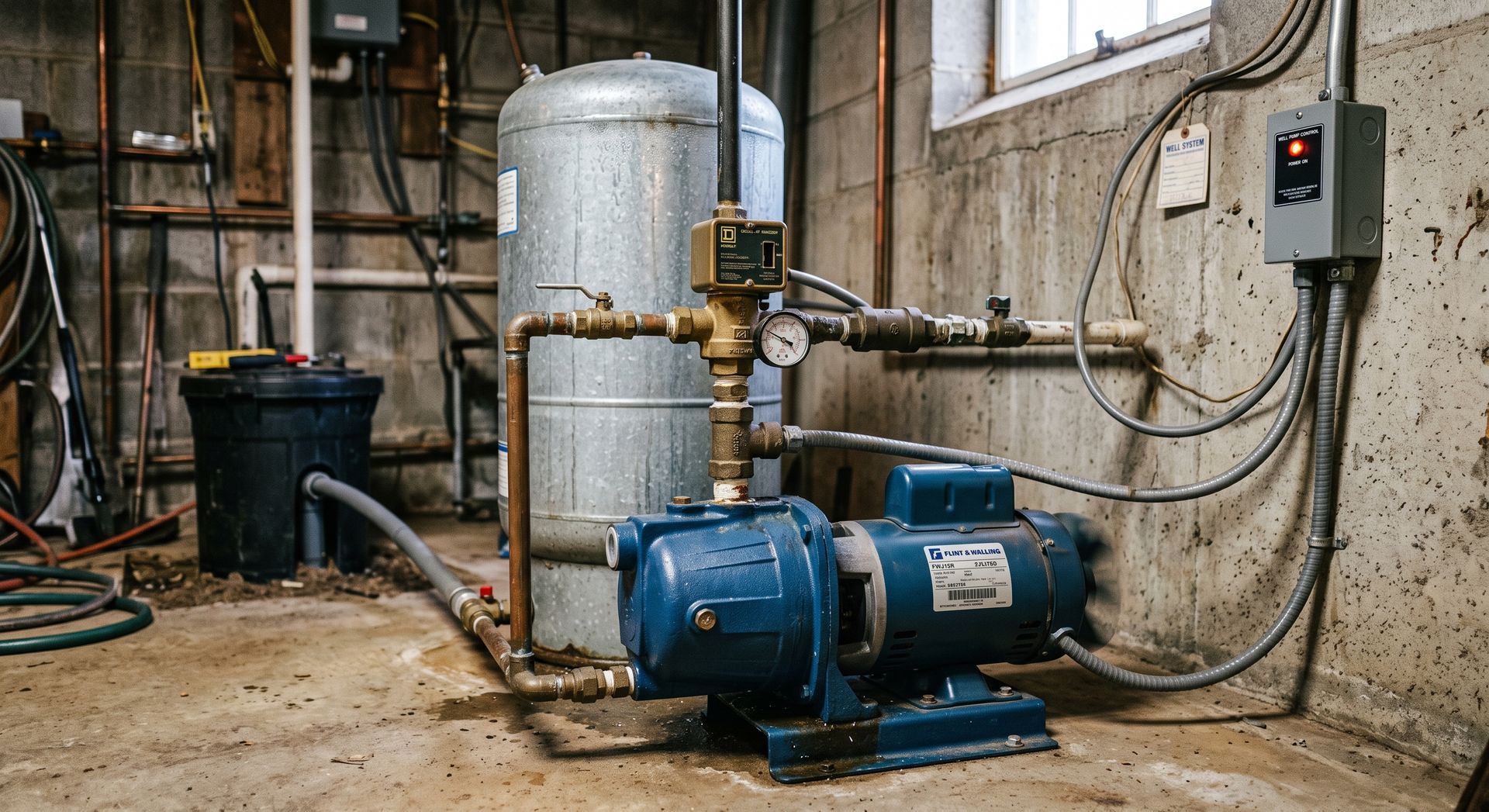
Check the electrical panel for a tripped breaker associated with the well pump. A breaker can occasionally trip, but one that trips again after being reset may indicate an electrical or pump problem.
Do not repeatedly reset a breaker that continues to trip. If your water disappeared after a power outage or electrical disturbance, mention that when scheduling service.
The Pressure System Has a Problem
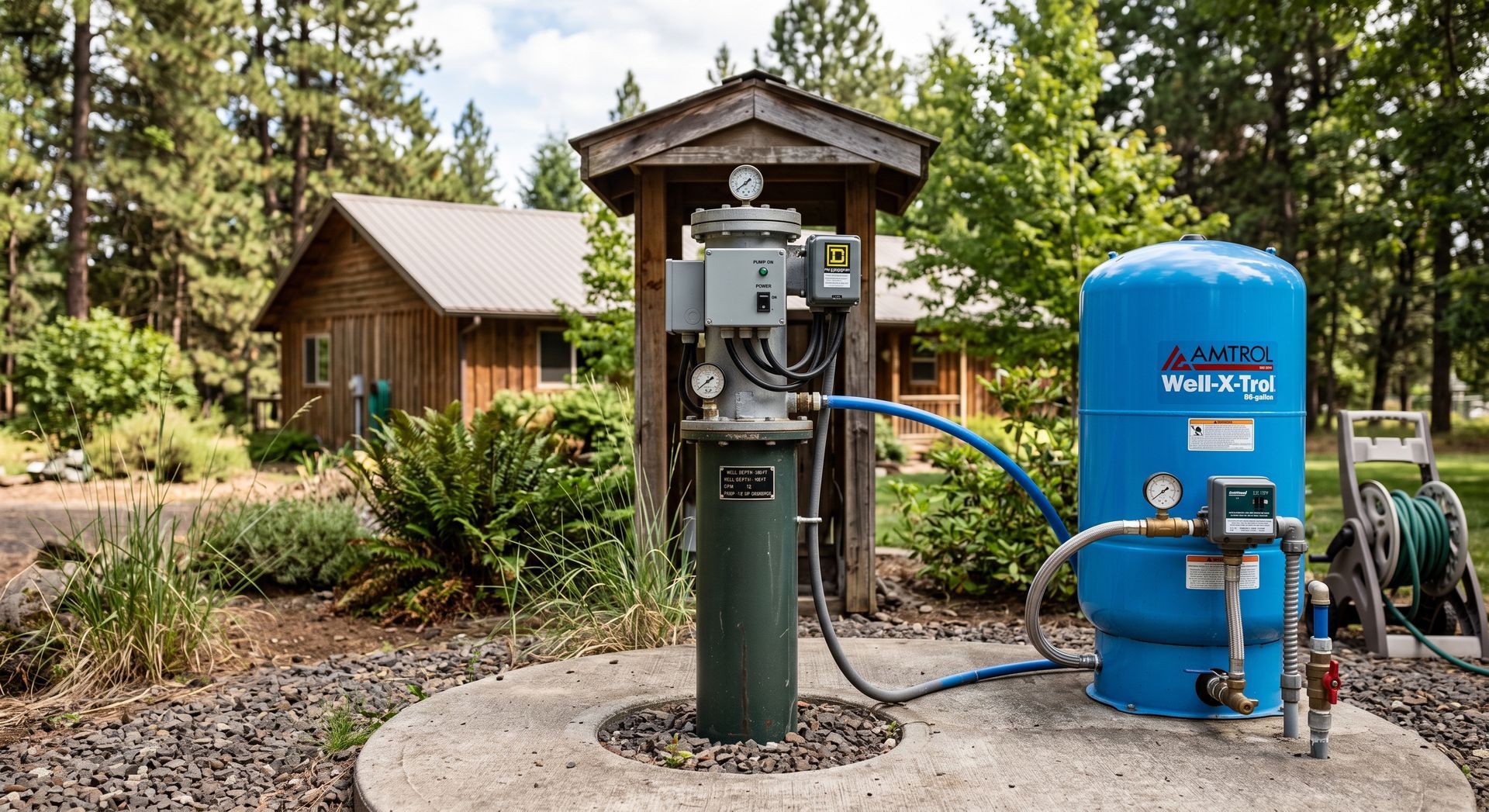
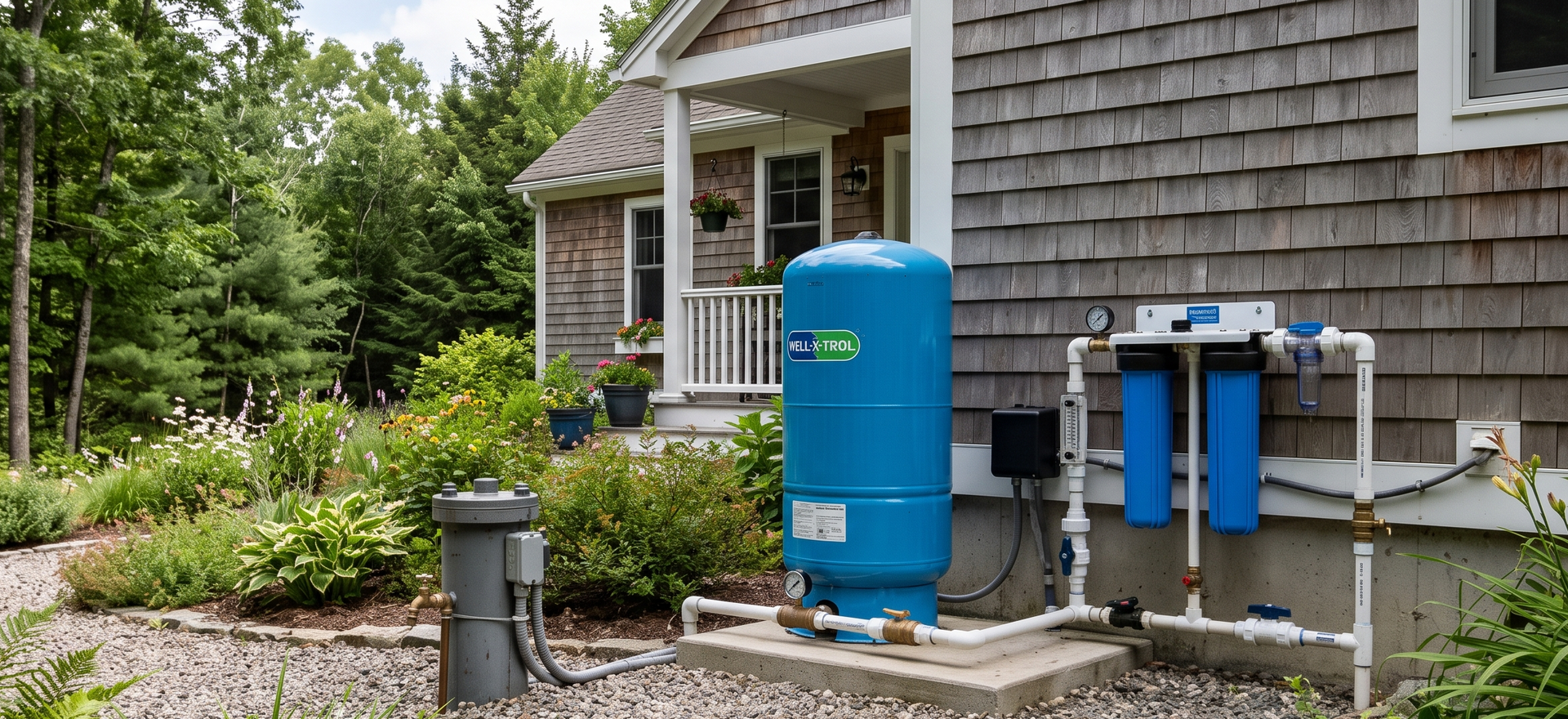
The pressure switch helps control when the pump runs. If the switch, pressure tank, wiring, or related controls malfunction, the pump may not start as expected.
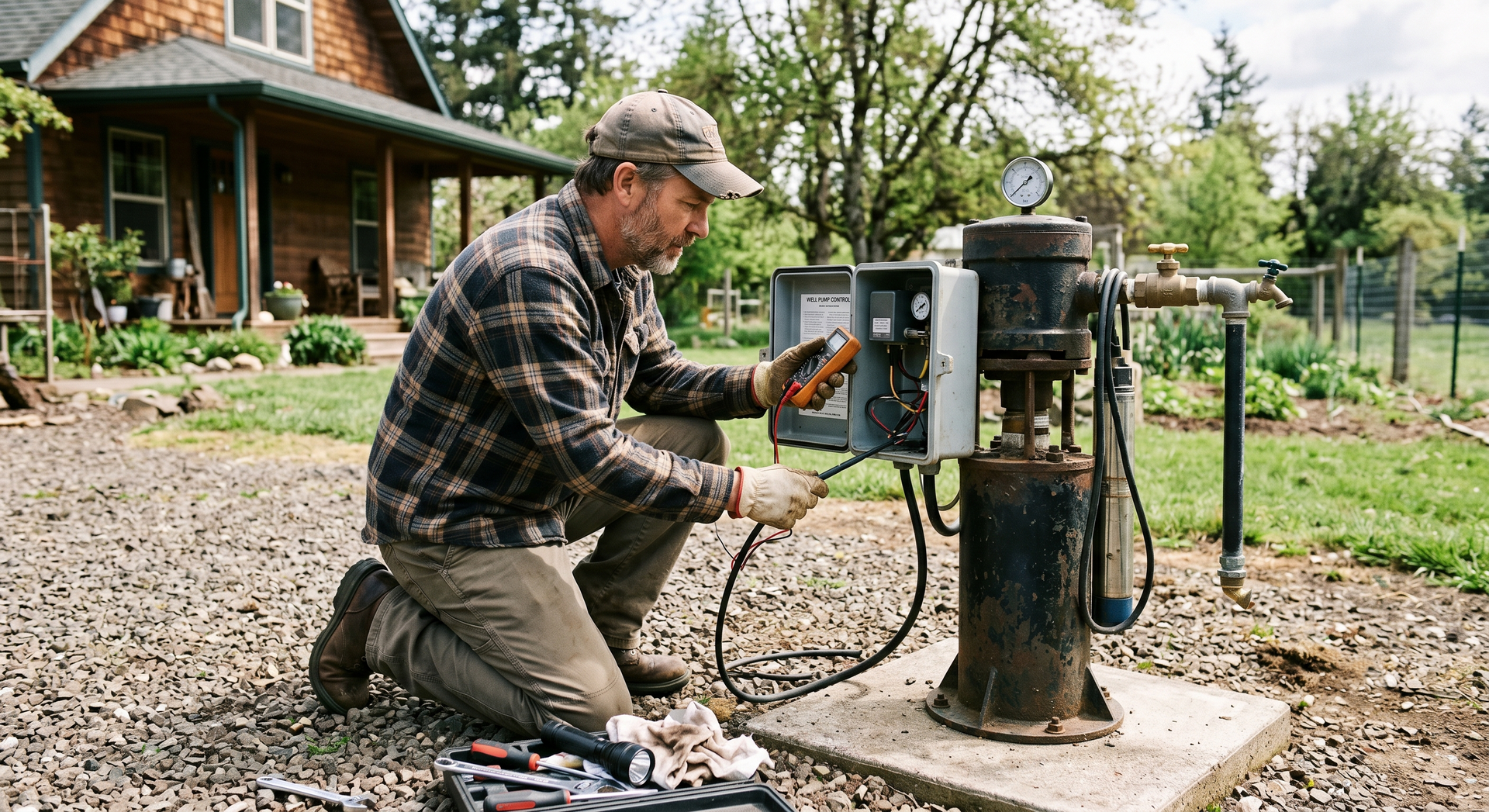
You may notice little or no pressure even though the well still contains water. Because these components involve electricity and pressurized equipment, avoid changing settings without knowing the cause.
The Well Pump Has Failed
Well pumps eventually wear out. A failure may seem sudden even if the equipment has been declining gradually.
Earlier warning signs may include:
- Inconsistent water pressure
- Frequent pump cycling
- Unusual noises
- Longer pump run times
- Reduced water delivery
If the well pump is not working despite having power, professional testing can determine whether it requires repair or replacement.
The Water Level Has Dropped
Sometimes the equipment works properly, but the well cannot supply water quickly enough.
Groundwater levels and well recovery can be affected by weather, seasonal conditions, heavy use, and other factors. If demand exceeds the well's recovery rate, water delivery may temporarily decline.
A professional evaluation can help distinguish a water-level problem from equipment failure.
A Pipe or Component Has Failed
Damaged piping, failed fittings, valves, or other system components can interrupt water delivery even when the pump operates.
Because some components are underground, the problem may not produce obvious signs at the surface.
What Should You Check When Your Well Has No Water?
Before scheduling service, make a few observations without dismantling equipment.
Check Multiple Faucets
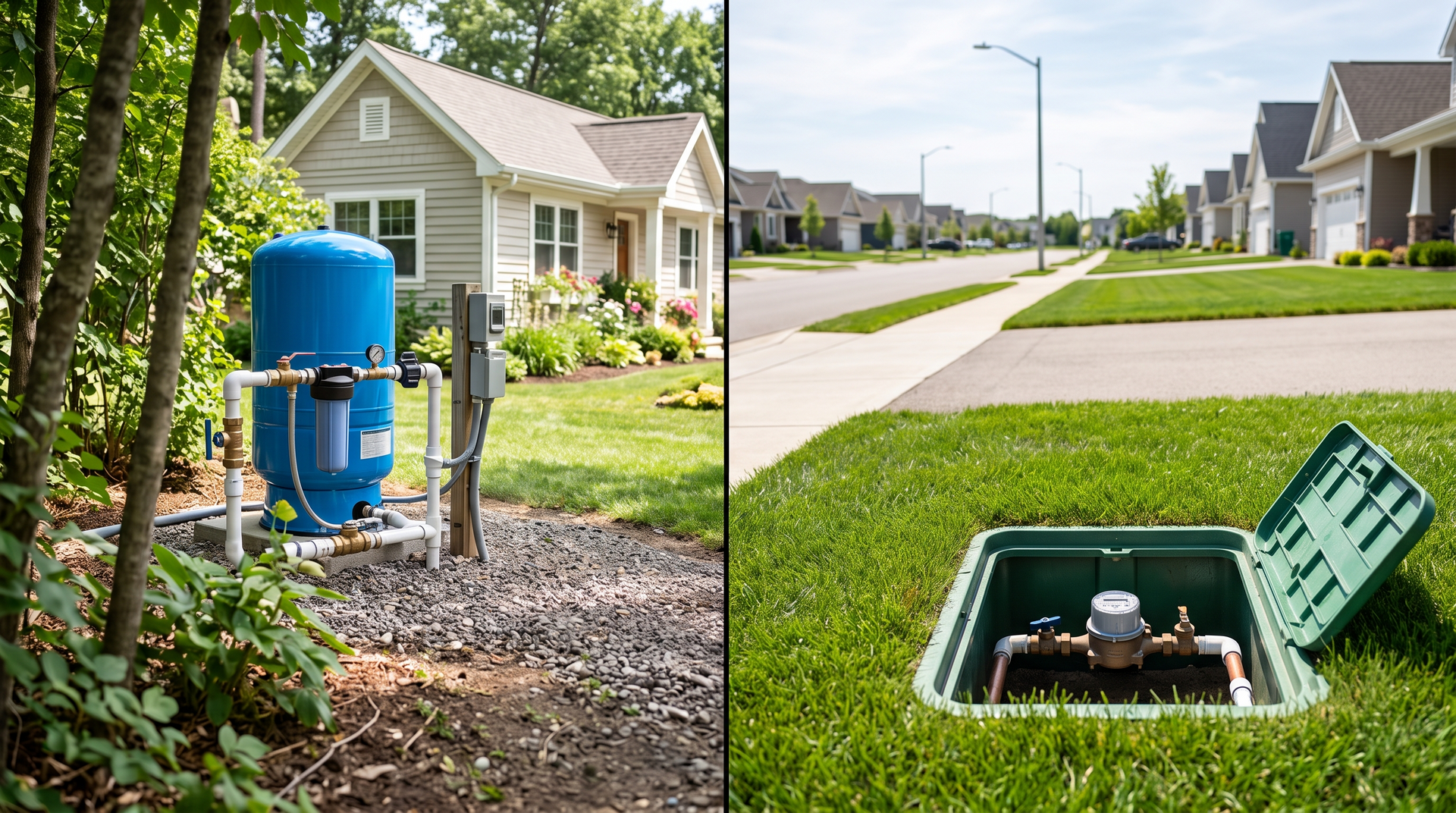
If only one fixture has no water, the problem may be isolated to that fixture or plumbing line. If every faucet is affected, the well or pressure system becomes a more likely source.
Check the Pump Breaker
Look at your electrical panel for a tripped well-pump breaker. If you reset it once and it immediately trips again, stop. Repeated resets will not correct the underlying problem.
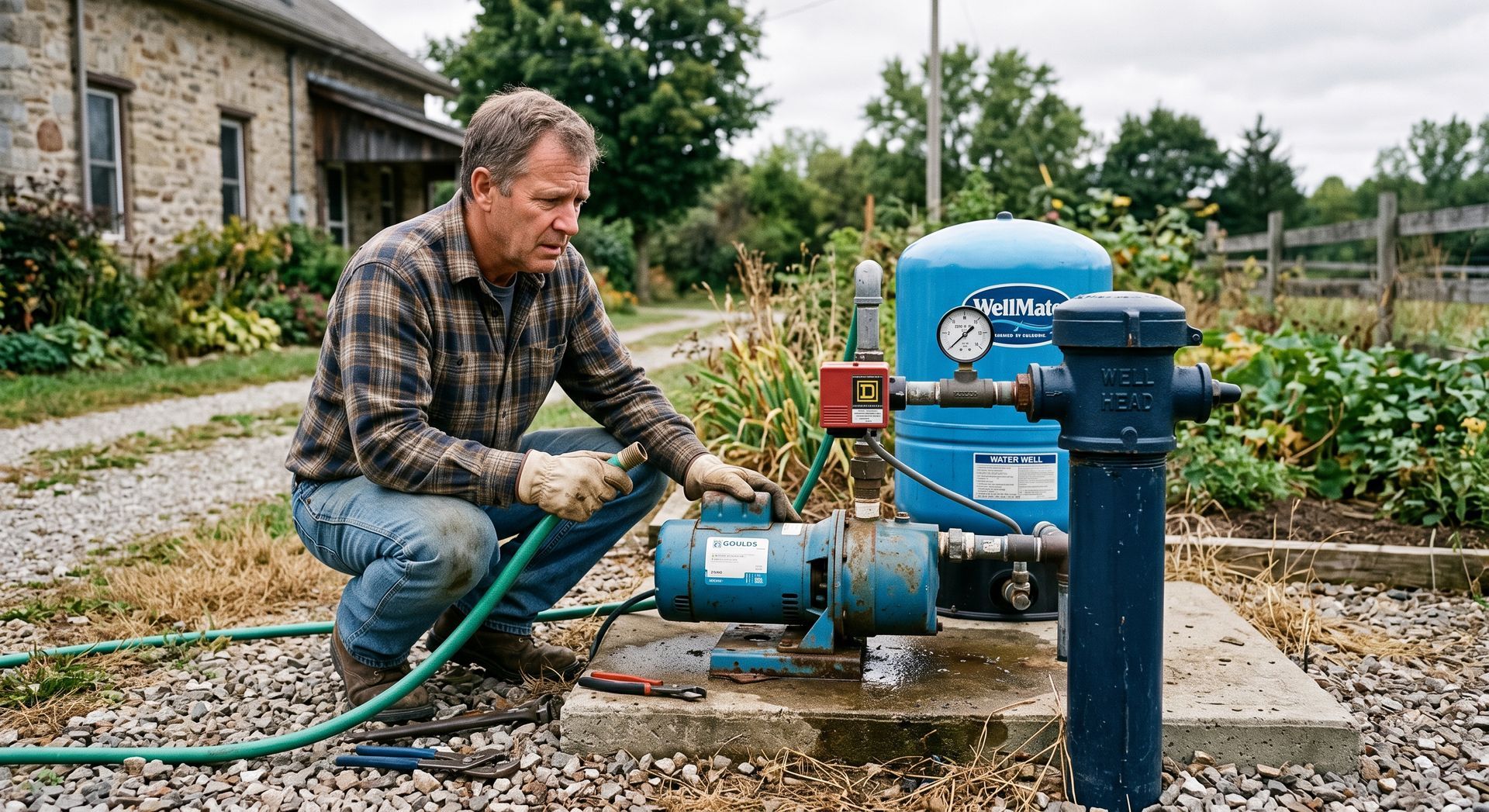
Check the Pressure Gauge
If your system has an accessible pressure gauge, note the reading. Little or no pressure can provide useful diagnostic information for a technician.
There is no need to adjust the pressure switch or electrical controls.
Note What Happened Before the Problem
Think about when the water stopped. Did it follow a power outage or unusually heavy water use? Had you noticed weak pressure, unusual noises, or frequent pump cycling?
These details can help a technician narrow down possible causes.
What Should You Avoid Doing?
If your well suddenly stopped working, avoid trial-and-error repairs.
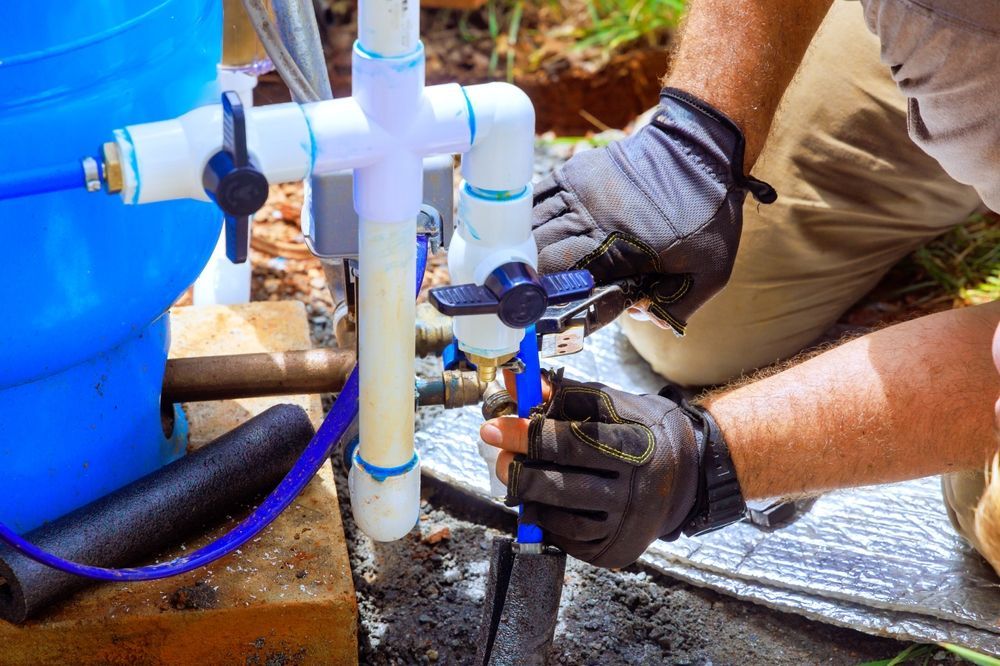
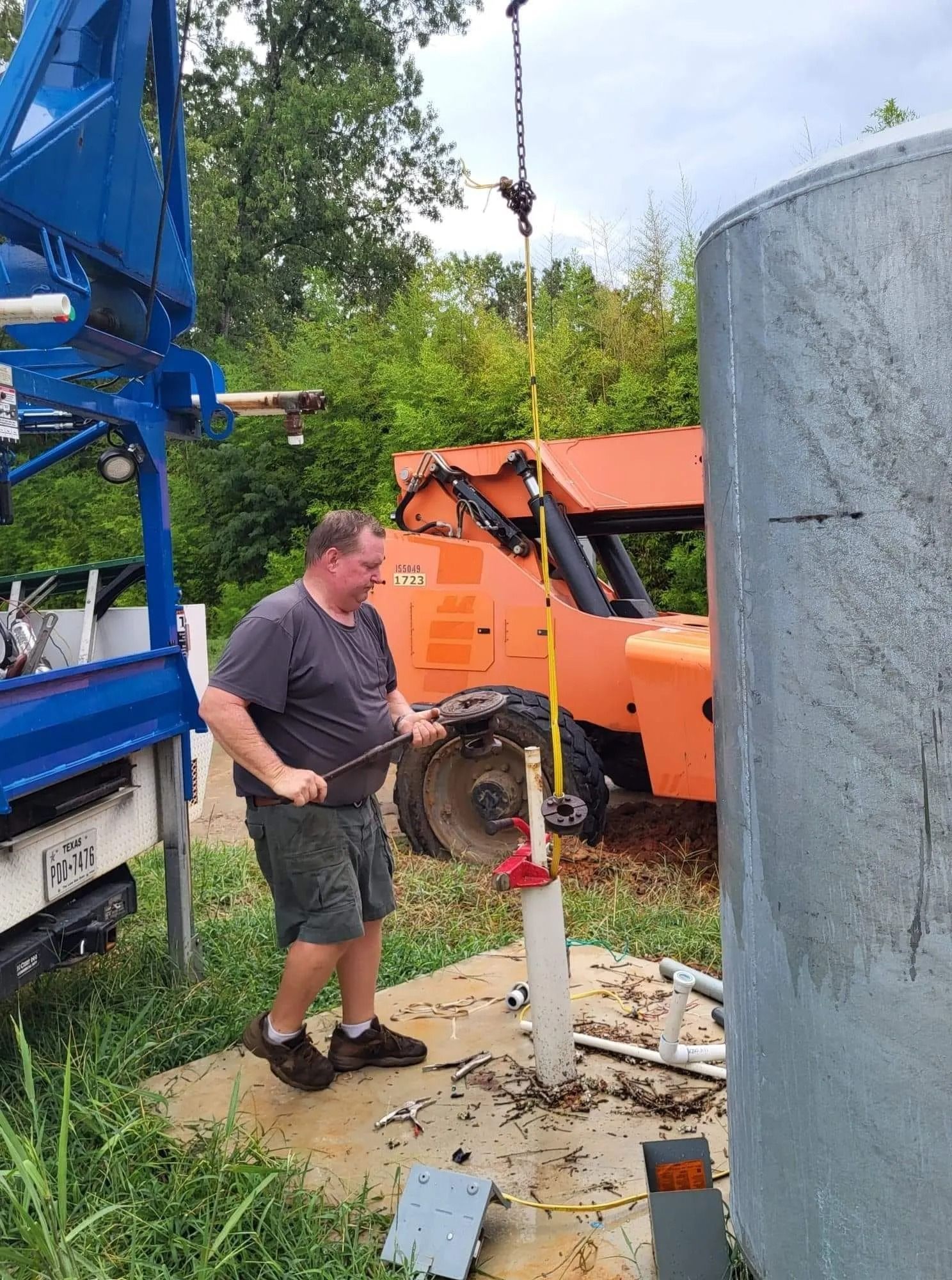
Do not open electrical control boxes, repeatedly reset breakers, change pressure switch settings, or attempt to pull a submersible pump without proper training and equipment.
Also, do not assume you automatically need a new pump. Electrical problems, pressure controls, damaged piping, and low water levels can produce similar symptoms.
Accurate diagnosis should come before equipment replacement.
When Should You Call for Professional Well Repair?
Schedule professional service when the entire property has lost water and basic checks do not reveal a simple cause.
Call for help if:
- The pump breaker repeatedly trips
- The pressure gauge stays near zero
- The pump runs but no water reaches the house
- You hear unusual pump or control noises
- Water pressure declined before the failure
- Water does not return after demand decreases
These symptoms may involve electrical, mechanical, pressure, or underground components requiring specialized testing.
Frequently Asked Questions
Does no water mean my well has gone dry?
No. Low water levels are one possibility, but pump, pressure, electrical, and piping problems can also stop water delivery.
Why did my well water suddenly stop?
Possible causes include lost electrical power, pump failure, pressure-system problems, damaged piping, or changes in available groundwater.
Can I reset my well pump?
Some systems have reset mechanisms, but repeatedly resetting equipment without identifying the problem can be risky. If a breaker or control repeatedly trips, have the system inspected.
Should I replace my pump if I have no water?
Not until the cause is confirmed. Another part of the system may be responsible, so professional diagnosis should come before replacement.
Get Well Repair in Livingston, TX
When a private well stops delivering water, finding the cause quickly matters. The problem may involve anything from pump controls and pressure equipment to components below ground.
Vanya Water Well Services provides well pump service, repairs, replacement, pressure tank work, and preventive maintenance for Livingston and surrounding East Texas communities.
If you have no water from your well or your well system suddenly stops working,
contact Vanya Water Well Services for a professional evaluation.