
Livingston TX Homeowner’s Guide to Water Well Drilling
what to expect from drilling to pump setup

Thinking about installing a private water well on your property in Livingston, TX? Water well drilling is a significant investment, and it’s important to understand the process, local requirements, and what to expect before getting started.
This guide will walk you through the key steps of residential well drilling in East Texas, what factors affect your well’s design, and how to choose the right contractor for the job.
Why Homeowners in Livingston Choose Private Water Wells
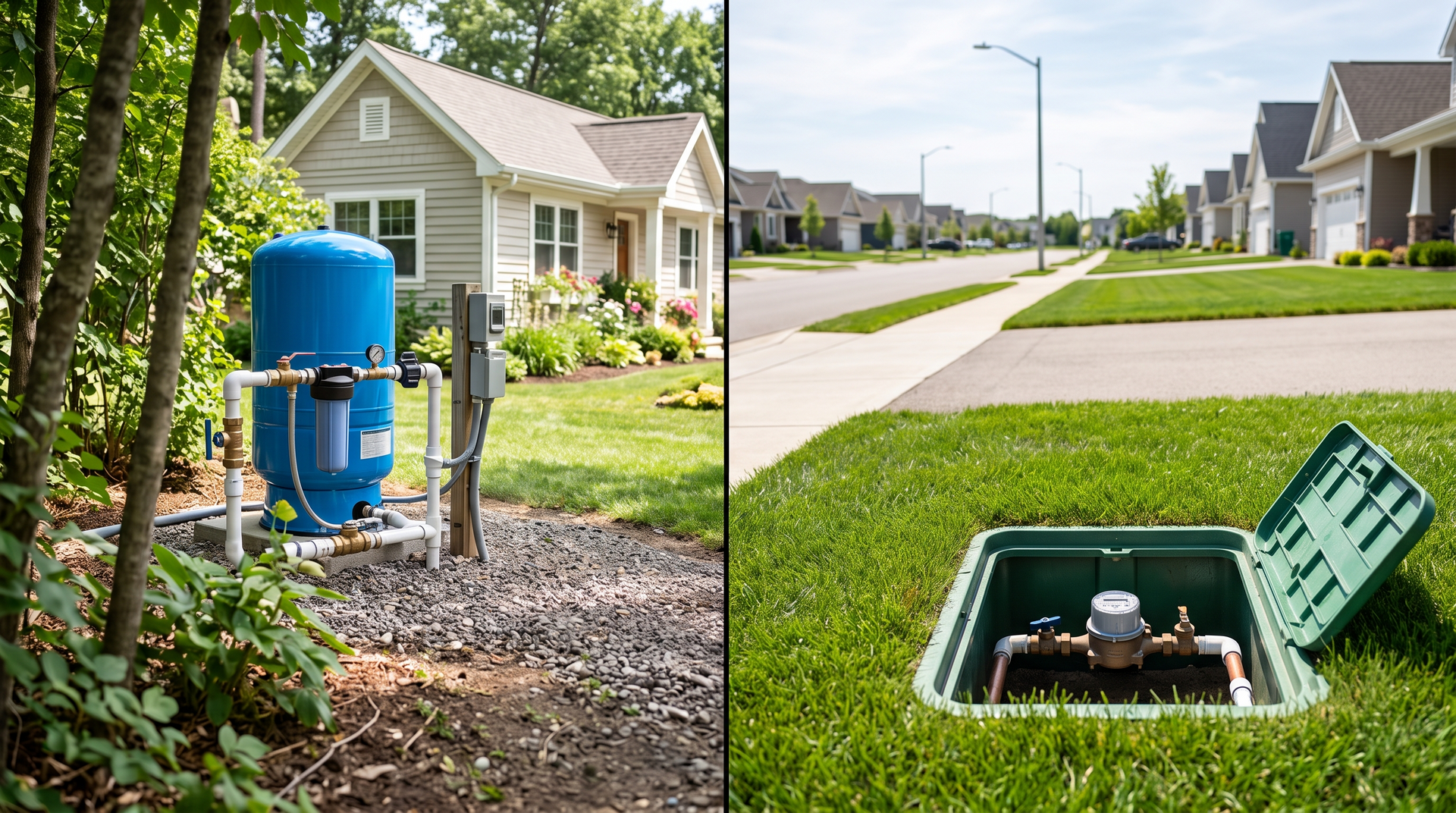
Many properties in and around Livingston lie outside municipal water service areas. Drilling a private well offers benefits such as:
- A long-term, independent water source
- No monthly water bills
- Control over water quality and system maintenance
- Better water pressure and availability in rural areas
- Potential for higher property value
Whether you’re building a new home or upgrading an older system, well drilling gives you direct access to the region’s underground aquifers.
Step-by-Step Overview of the Well Drilling Process
1. Site Evaluation and Planning
Before drilling, your contractor will evaluate your property’s soil conditions, water table depth, and distance from potential contamination sources like septic systems. They will also check local well logs and geology reports to determine the best location.
2. Permitting and Local Compliance
In Texas, well drilling must follow both state and local guidelines. Your contractor will handle permits and ensure your system meets all requirements set by the Texas Department of Licensing and Regulation (TDLR) and Polk County.
Key considerations include:
- Minimum setback distances from buildings and septic tanks
- Drilling depth limits and aquifer access
- Environmental impact and protection zones
3. Drilling the Well
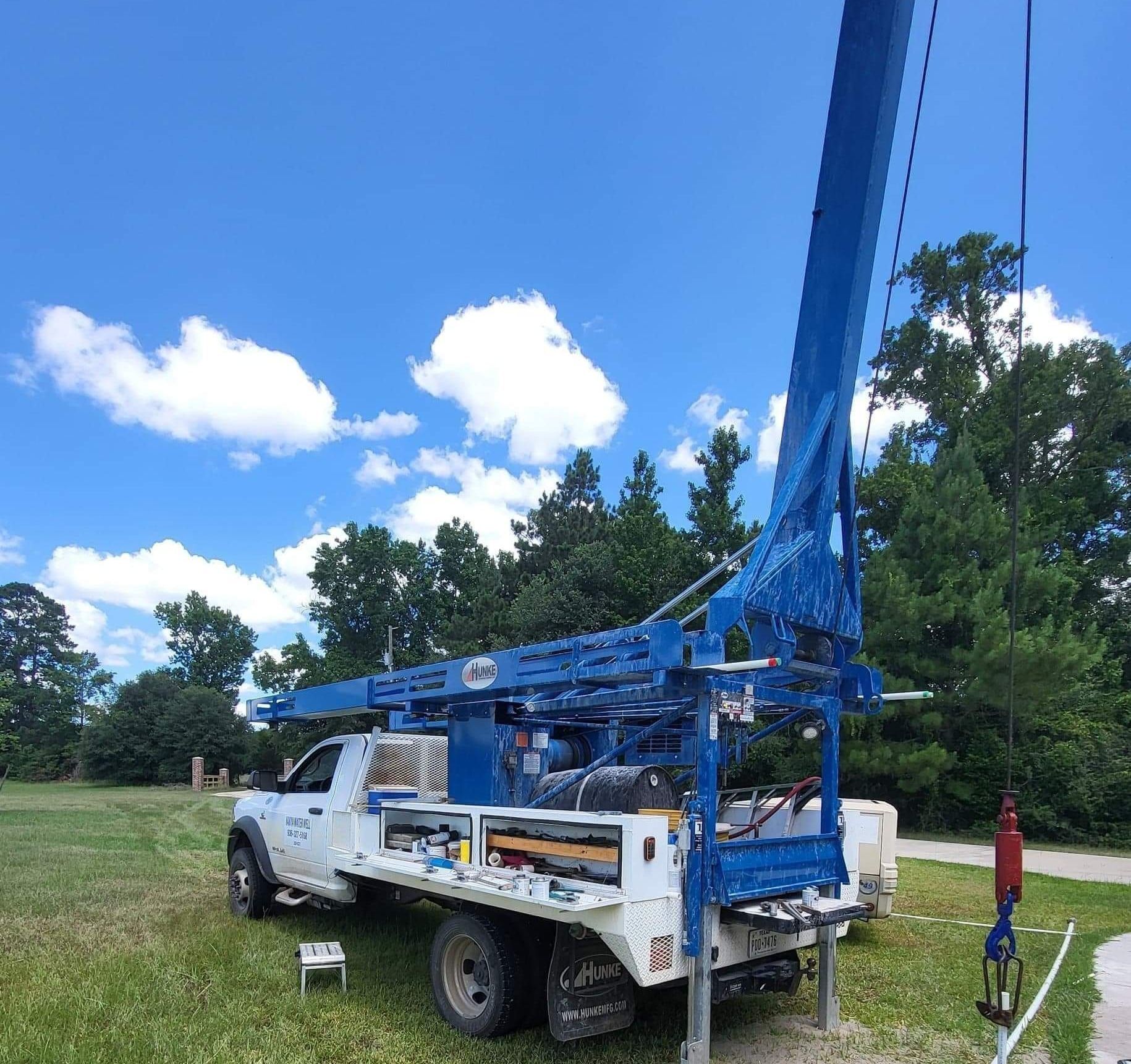
A drill rig is brought on-site to bore into the ground, typically to depths ranging from moderate to deep depending on your location. The well casing is installed to protect the structure, and grout is used to seal the well from surface contaminants.
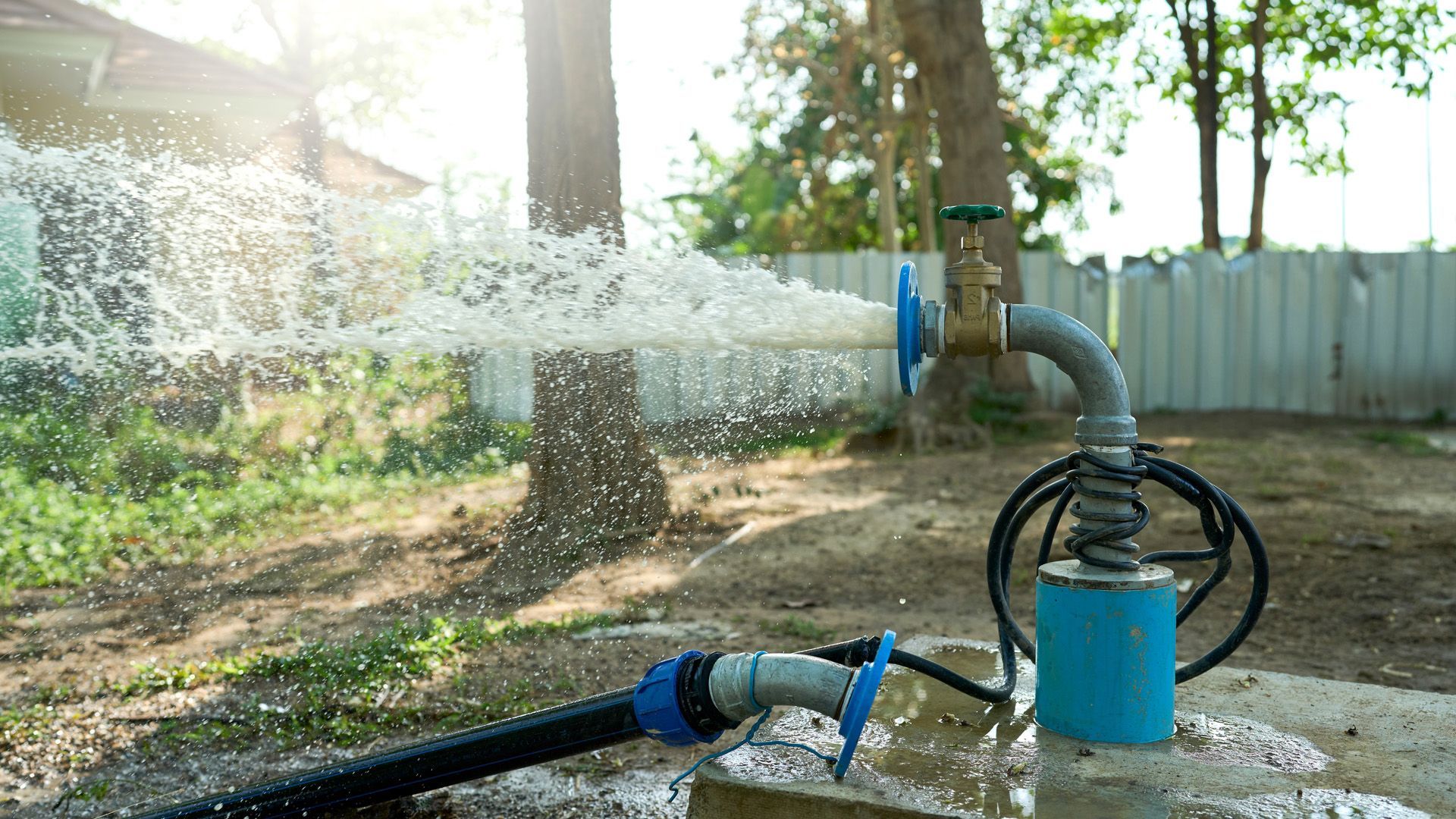
Once a reliable water source is reached, the flow rate is tested, and the contractor determines the appropriate pump and tank configuration.
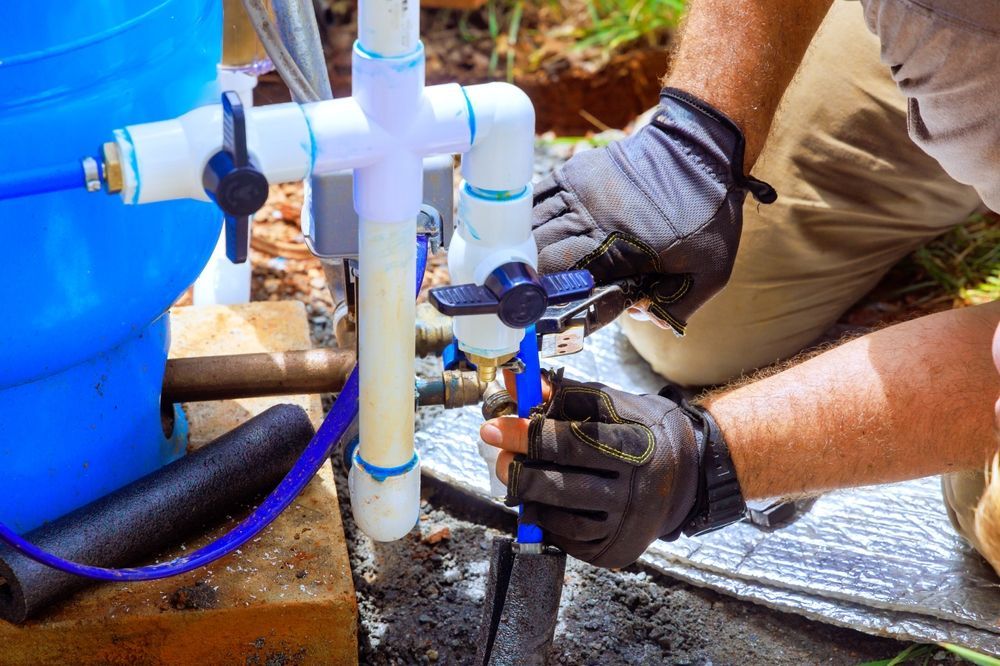
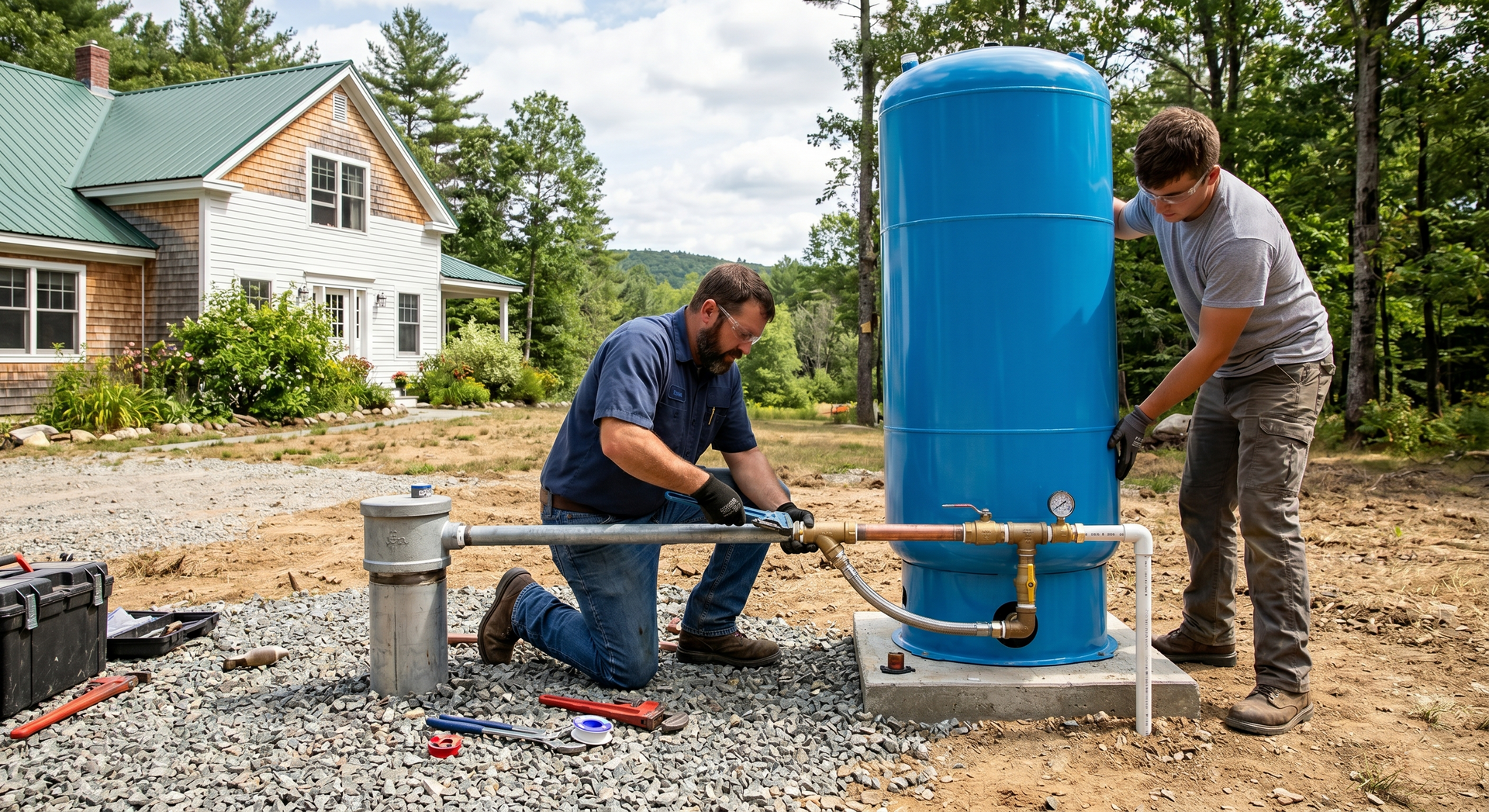
4. Installing the Pump System
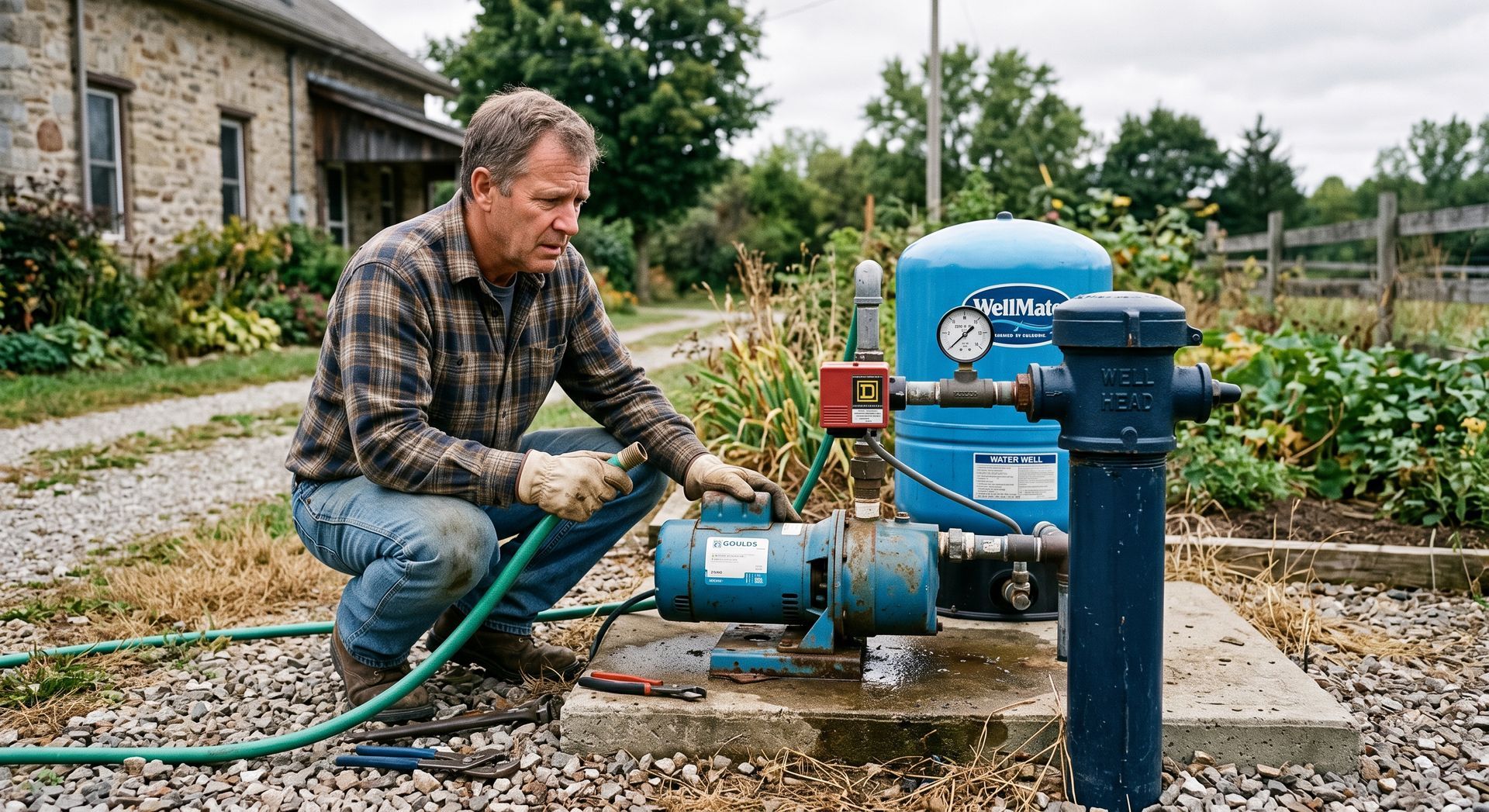
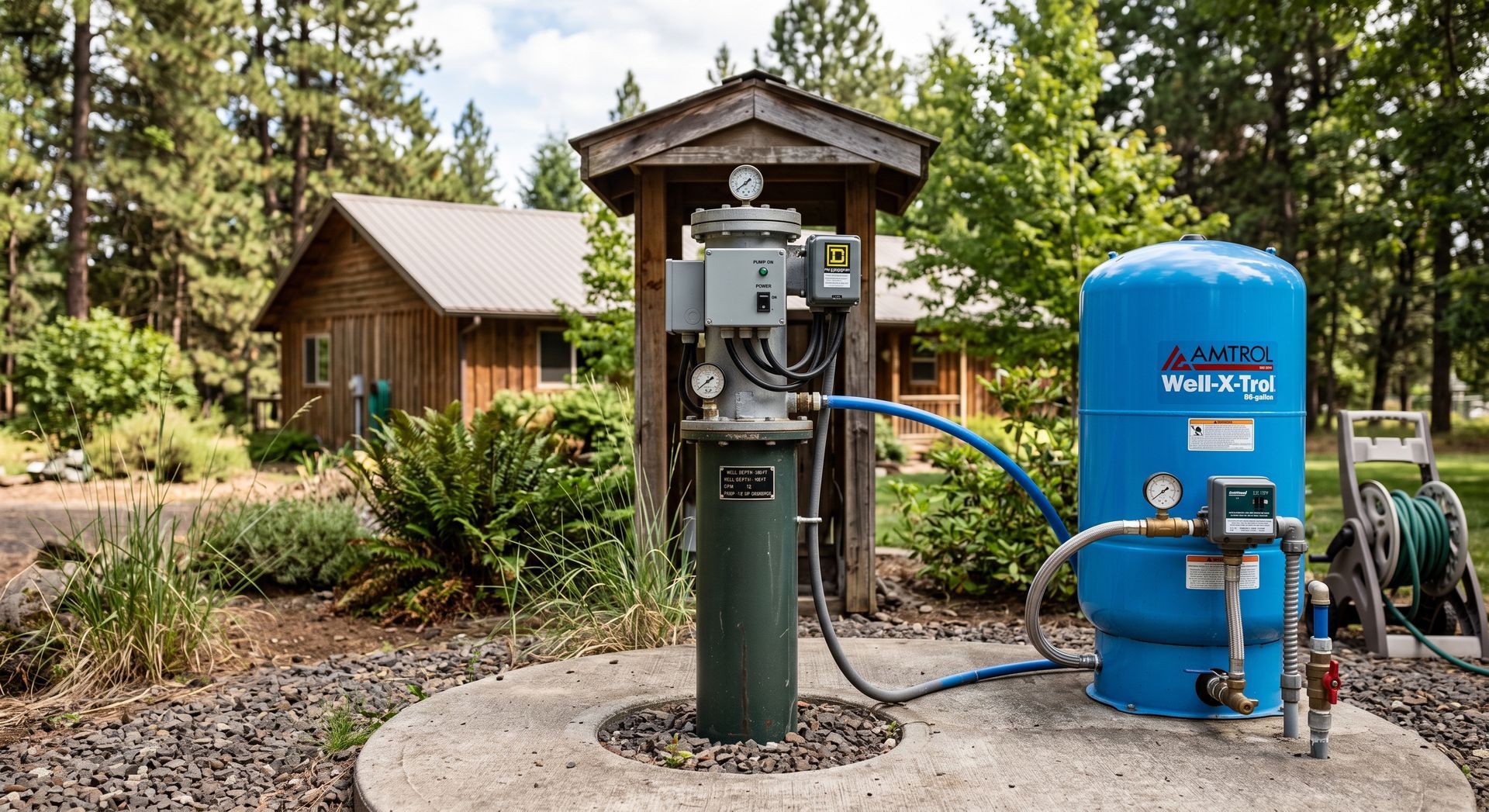
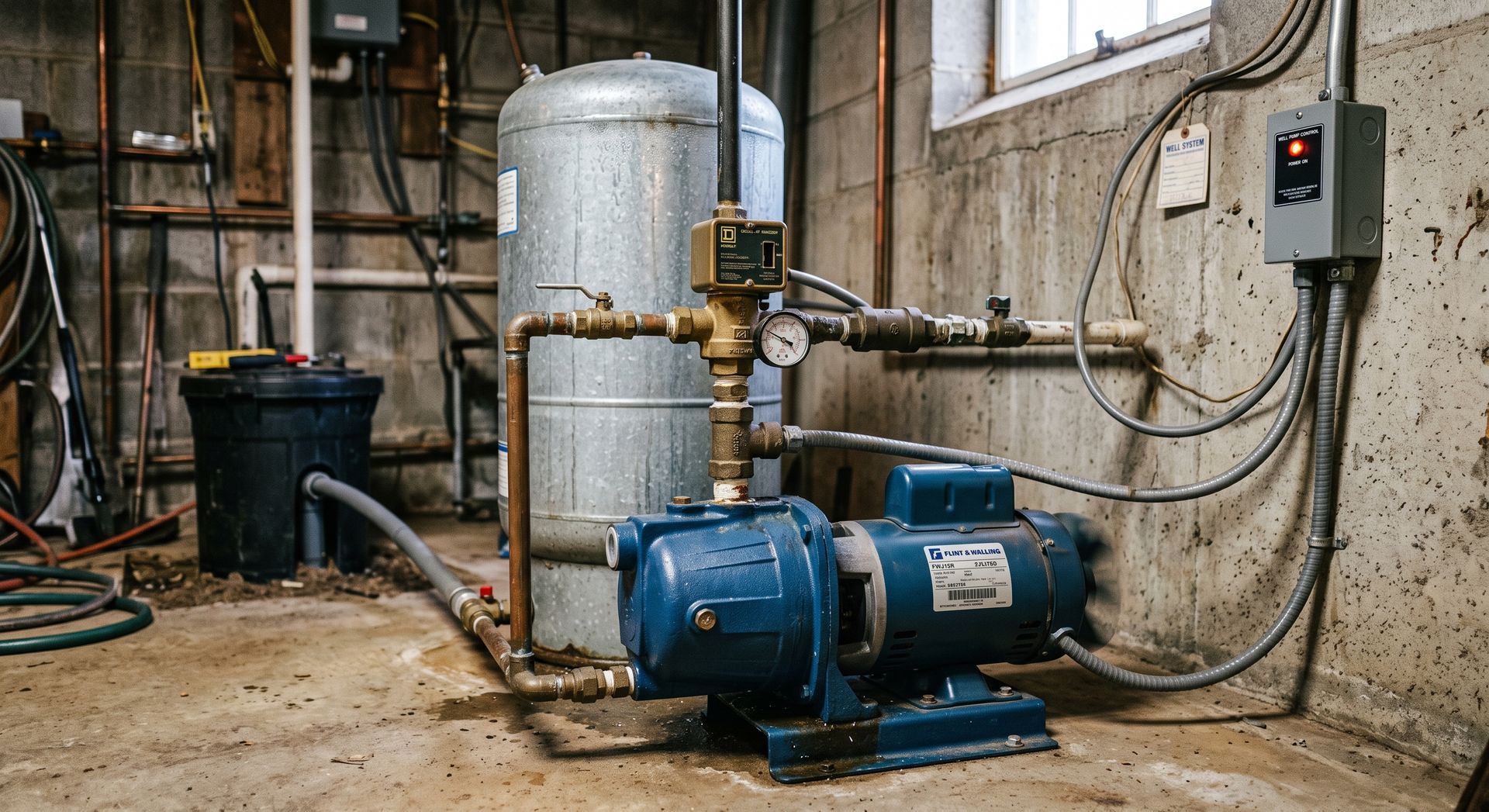
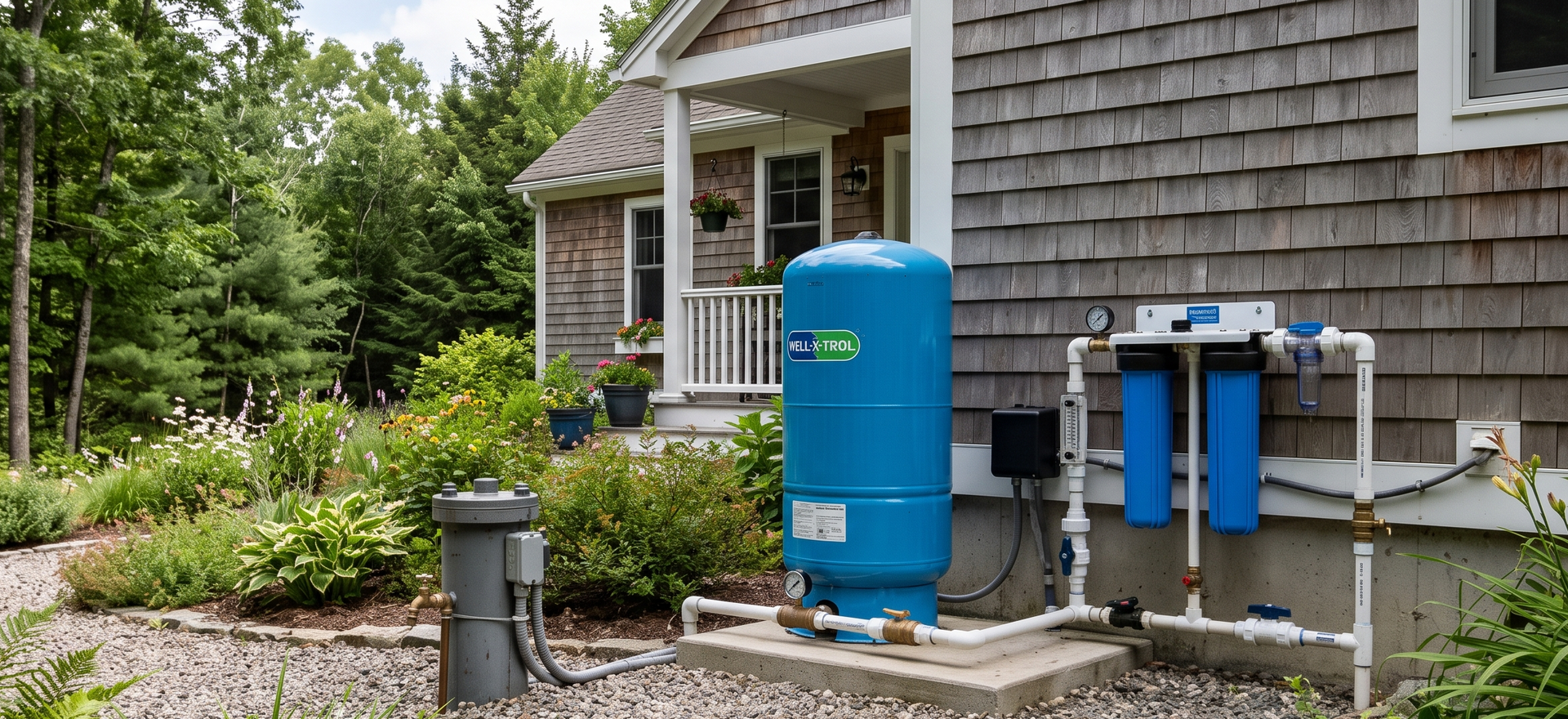
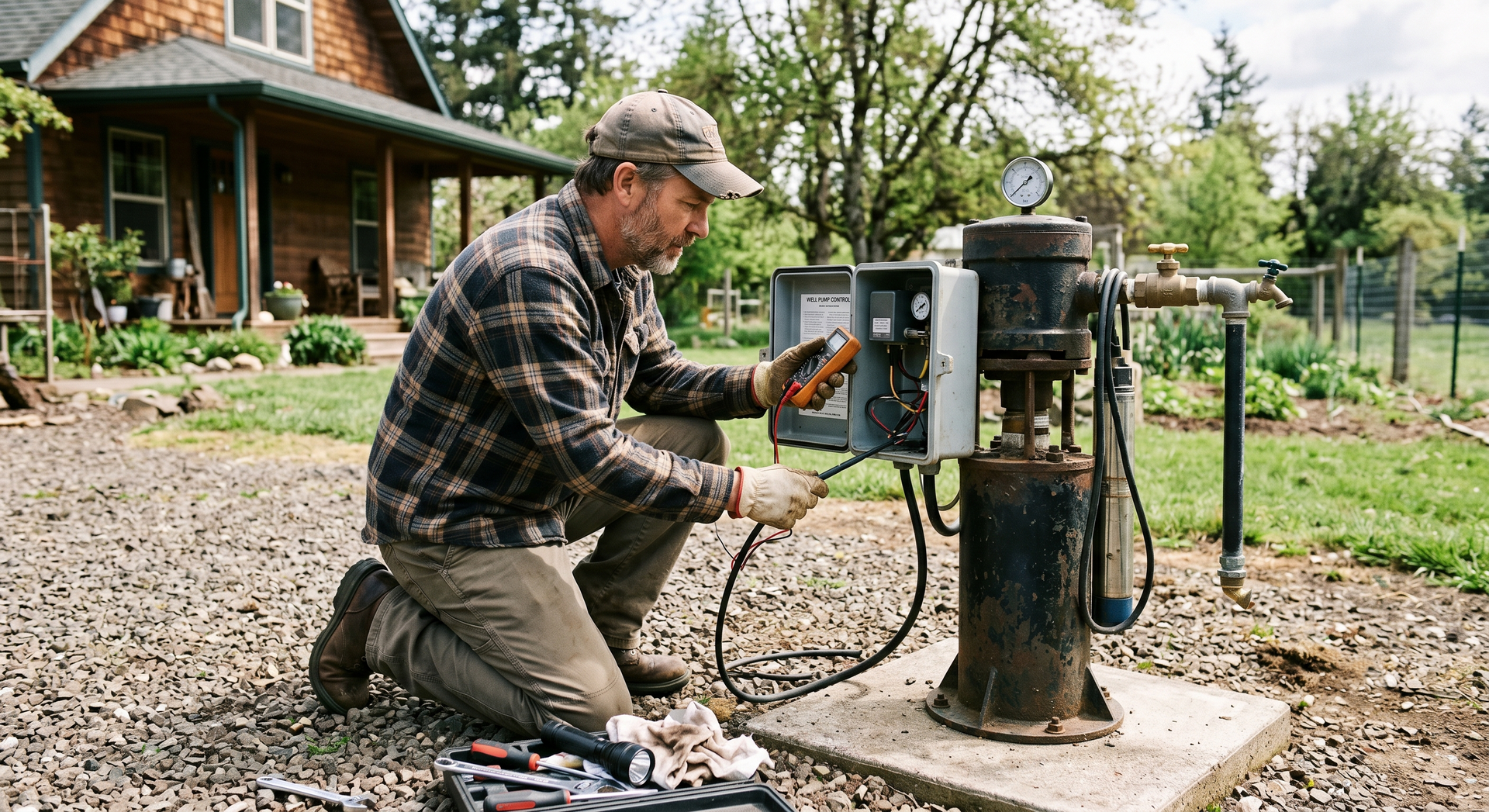
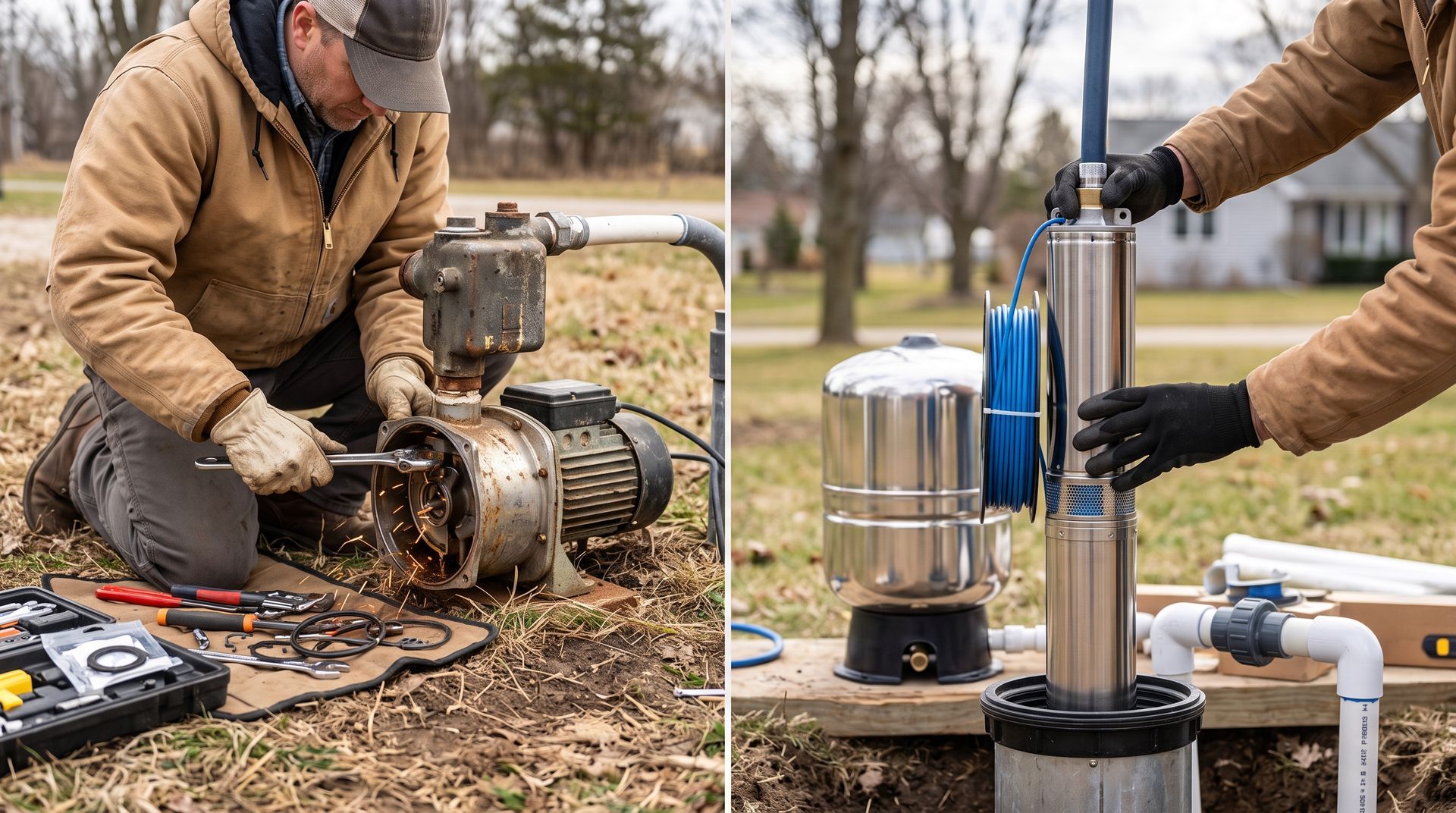
The type of pump you need depends on the well depth. Submersible pumps are used for deeper wells, while jet pumps may be used in shallower installations. The system will also include a pressure tank, electrical components, and control switches.
The contractor connects the system to your home or irrigation infrastructure.
5. Water Testing and Final Inspection
After installation, the well is tested for:
- Water yield (flow rate)
- Bacterial contamination
- Basic water chemistry
- Proper pump function and pressure settings
Any required filtration or treatment systems will be recommended based on these results.
What Affects the Cost and Timeline of Well Drilling?
Every drilling project is different. Key factors that influence cost and schedule include:
- Depth of the well and geological conditions
- Type and size of pump system needed
- Distance from power supply and plumbing connection
- Permit and inspection timelines
- Weather conditions during drilling
Your contractor will provide a custom estimate after the site evaluation.
How Long Does the Drilling Process Take?
On average, most residential well drilling projects in the Livingston area can be completed within several days. Additional time may be required for permitting, equipment installation, and water testing.
Choosing the Right Well Drilling Contractor
Drilling a water well is not a DIY job. Make sure your contractor is:
- Licensed and insured in the state of Texas
- Experienced in local groundwater conditions
- Knowledgeable about county-level permitting and inspection
- Able to handle both drilling and pump installation
- Responsive and transparent with quotes and timelines
Vanya Water Well Services has years of experience providing professional well drilling throughout the Livingston area. We handle the entire process from planning to final inspection.
FAQs About Water Well Drilling in Livingston, TX
Do I need a permit to drill a well in Polk County?
Yes. Your contractor will file all required permits with the appropriate agencies before drilling begins.
How deep does a well need to be in Livingston?
Depth varies based on your property’s geology and water table. Many residential wells in the area are drilled several hundred feet deep to ensure a year-round supply.
Can I choose where the well is placed?
Placement depends on several safety and environmental factors. Your contractor will help identify the best, code-compliant location on your property.
Will my water need a filter?
Water testing after drilling will determine if filtration is needed. Systems may be recommended to address hard water, iron, bacteria, or sediment.
How often should a new well be inspected?
New wells should be inspected annually to ensure pump performance, water quality, and pressure tank operation remain stable.
Schedule Water Well Drilling in Livingston, TX
Ready to add a reliable, efficient water source to your property? Vanya Water Well Services provides complete residential well drilling in Livingston and the surrounding 40-mile service area.
We handle everything from permitting and planning to drilling and system installation. Contact us today to schedule an evaluation and get started.
Visit https://www.vanyawaterwellservice.com to learn more or request a consultation.