
What to Know Before Buying a Home With a Water Well

If you're considering purchasing a home with a private water well, it's important to understand what this means for your long-term water supply and system responsibilities. While a well can offer independence and cost savings, it also comes with maintenance requirements and quality considerations that differ from municipal systems.
For homebuyers in the Livingston, TX area, here’s what to check and ask before closing on a property with a private well.
Why Homes With Water Wells Are Common in East Texas
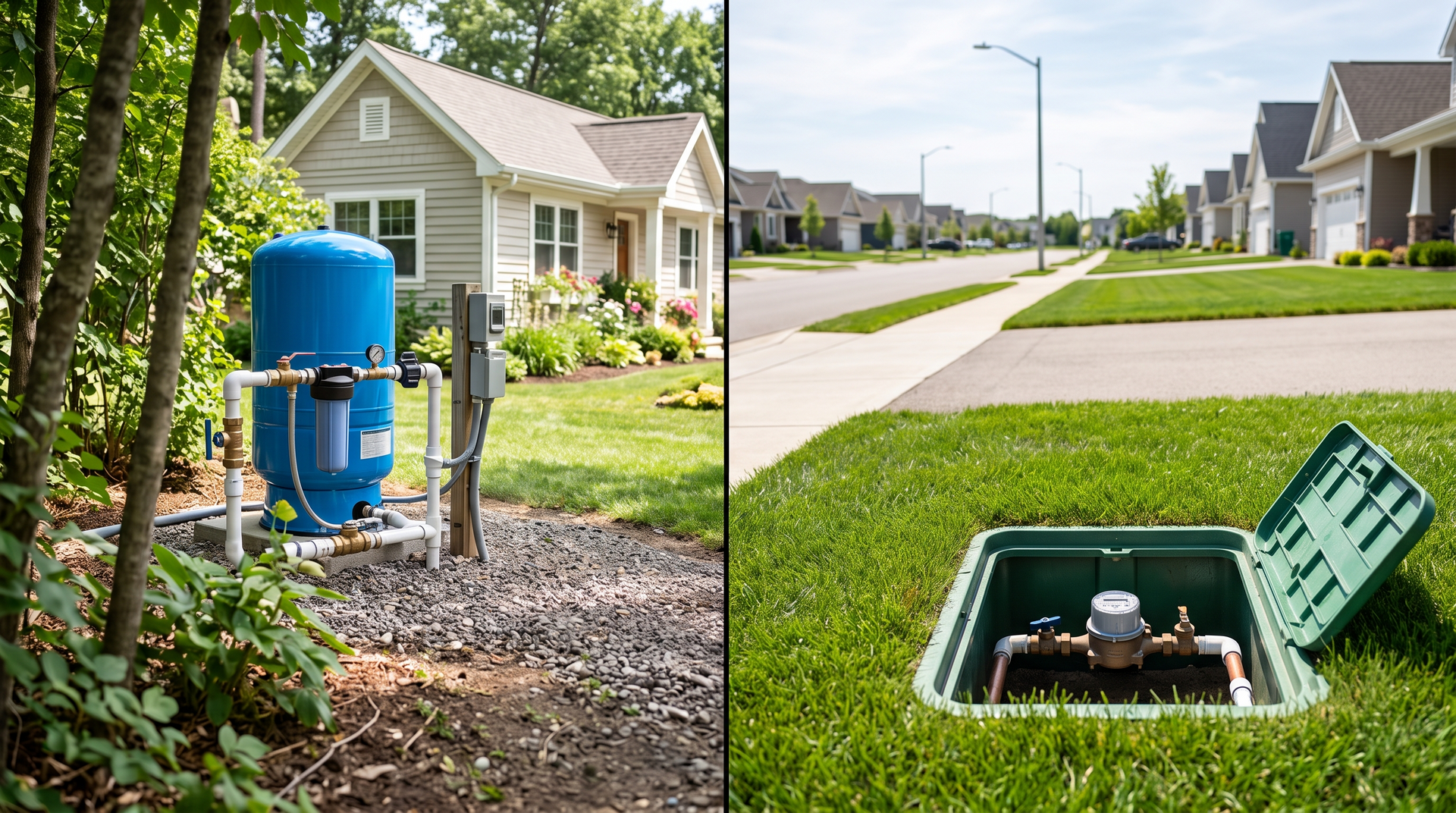
Many homes outside city limits in Polk County rely on private wells for their water. These systems provide:
- Independence from city water infrastructur
- Lower monthly utility costs
- Access to local groundwater
- More control over water quality and pressure
With the right knowledge and regular upkeep, homes with wells can deliver safe, reliable water for decades.
Key Questions to Ask Before Buying a Home With a Well
1. When Was the Well Drilled?
Well systems generally last 20 to 30 years. Ask the seller or real estate agent:
- When was the well drilled?
- Has it been inspected or serviced recently?
- Is documentation available, such as well logs, permits, or repair history?
Knowing the age and condition of the system helps you assess future maintenance needs.
2. What Is the Well Depth and Flow Rate?
Depth and flow rate affect the reliability of the water supply. A typical residential well in Livingston ranges from moderately deep to several hundred feet, depending on local conditions.
Make sure the well produces enough water (measured in gallons per minute) for your household’s needs.
3. Has the Water Been Tested Recently?
Water from private wells should be tested annually. Before purchase, request a recent lab report or ask for a water quality test that checks for:
- Bacteria (including coliform)
- Nitrates or nitrites
- Total dissolved solids (TDS)
- pH and hardness
- Local contaminants (if applicable)
If test results show any concerns, filtration or treatment may be required.
4. What Equipment Is Included?
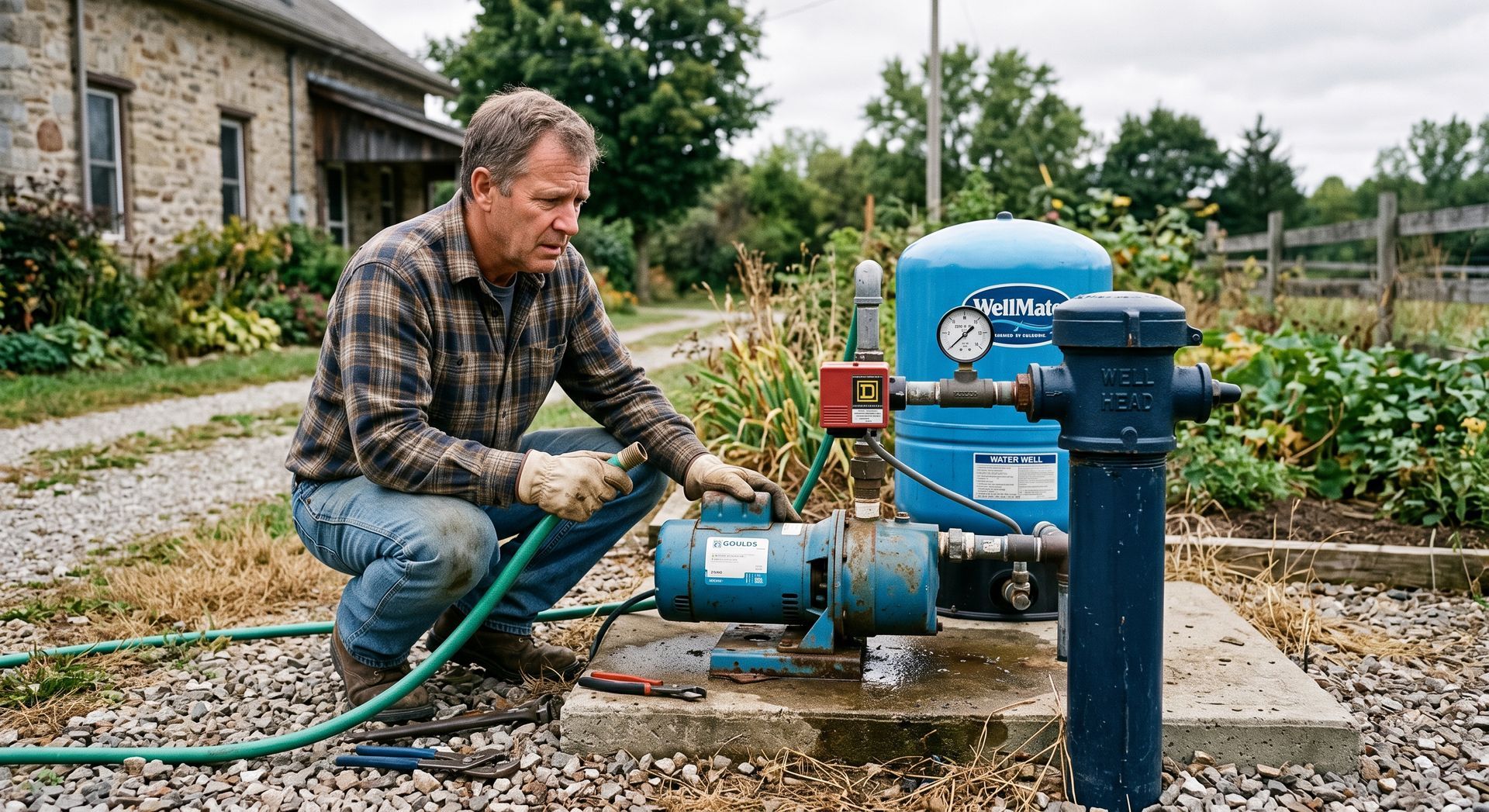
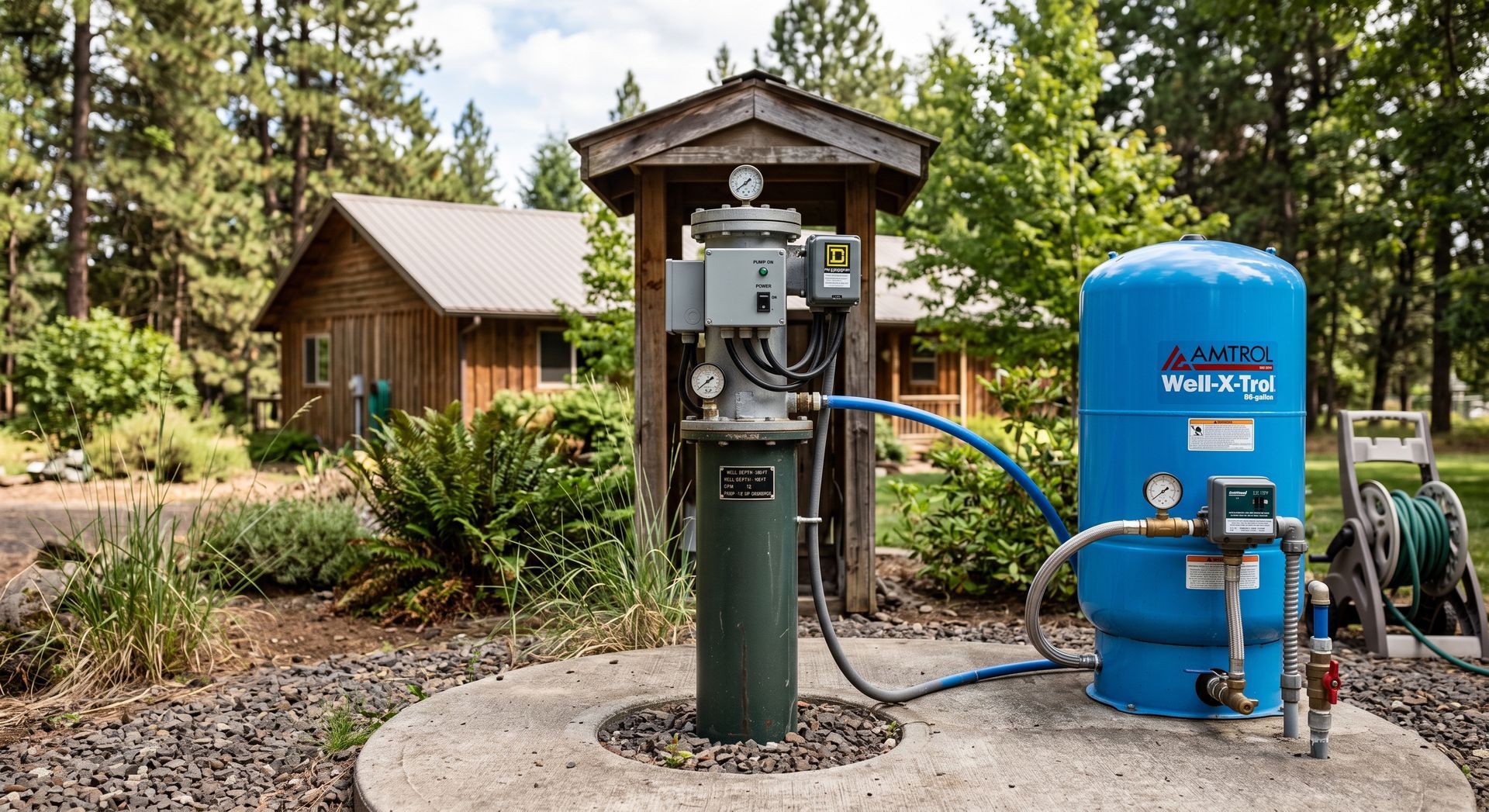
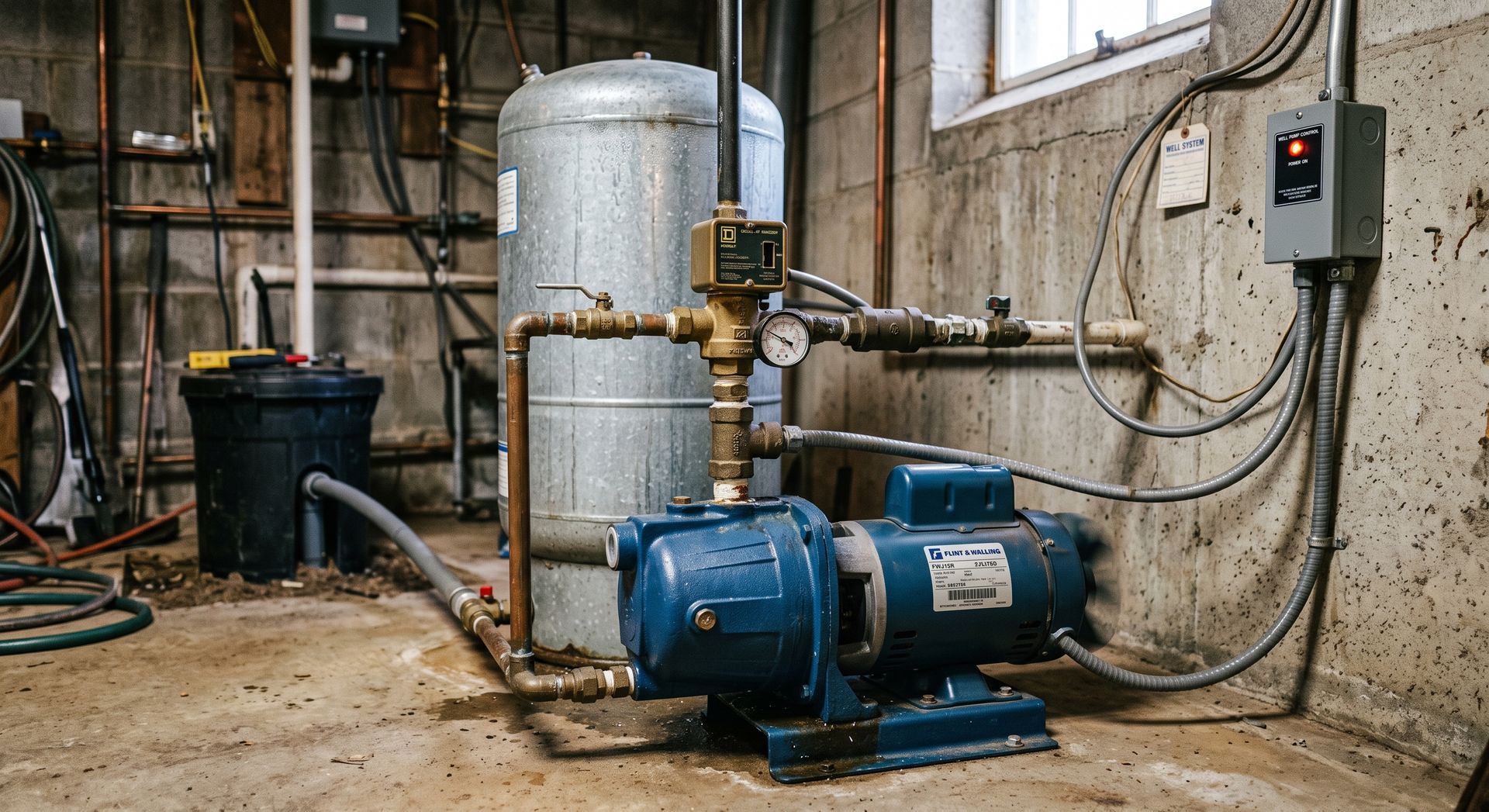
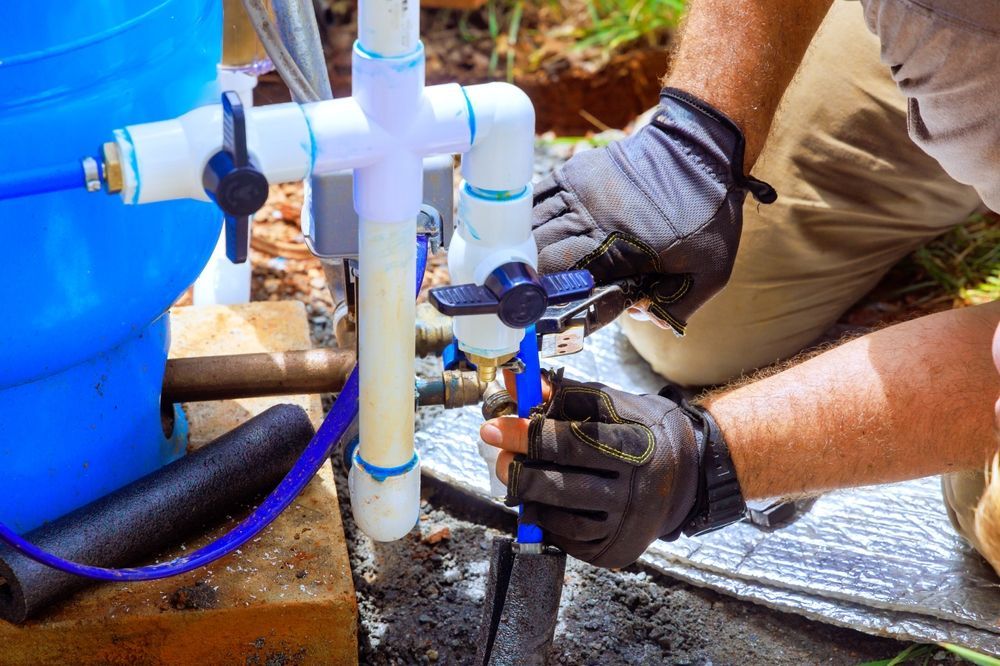
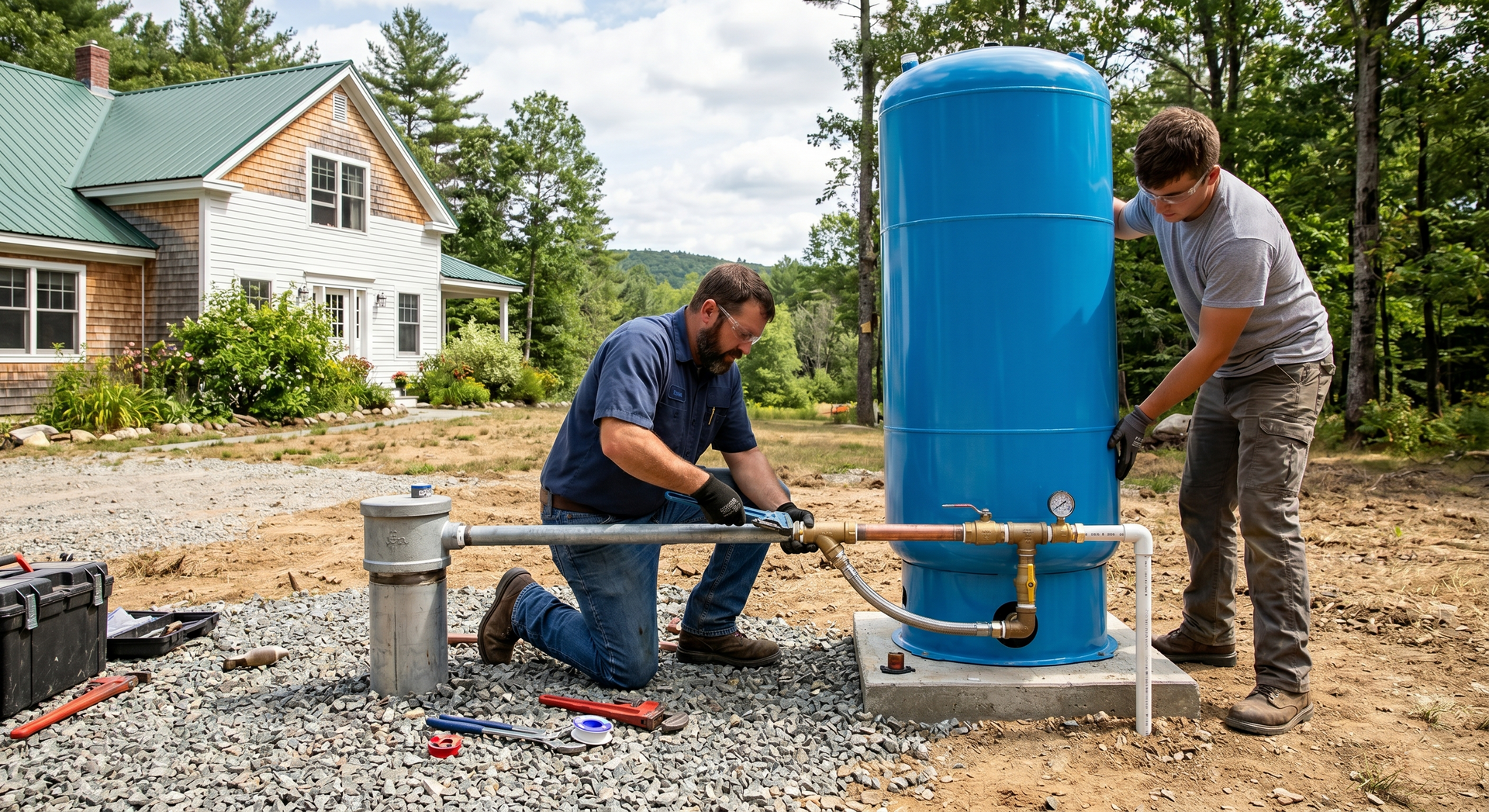
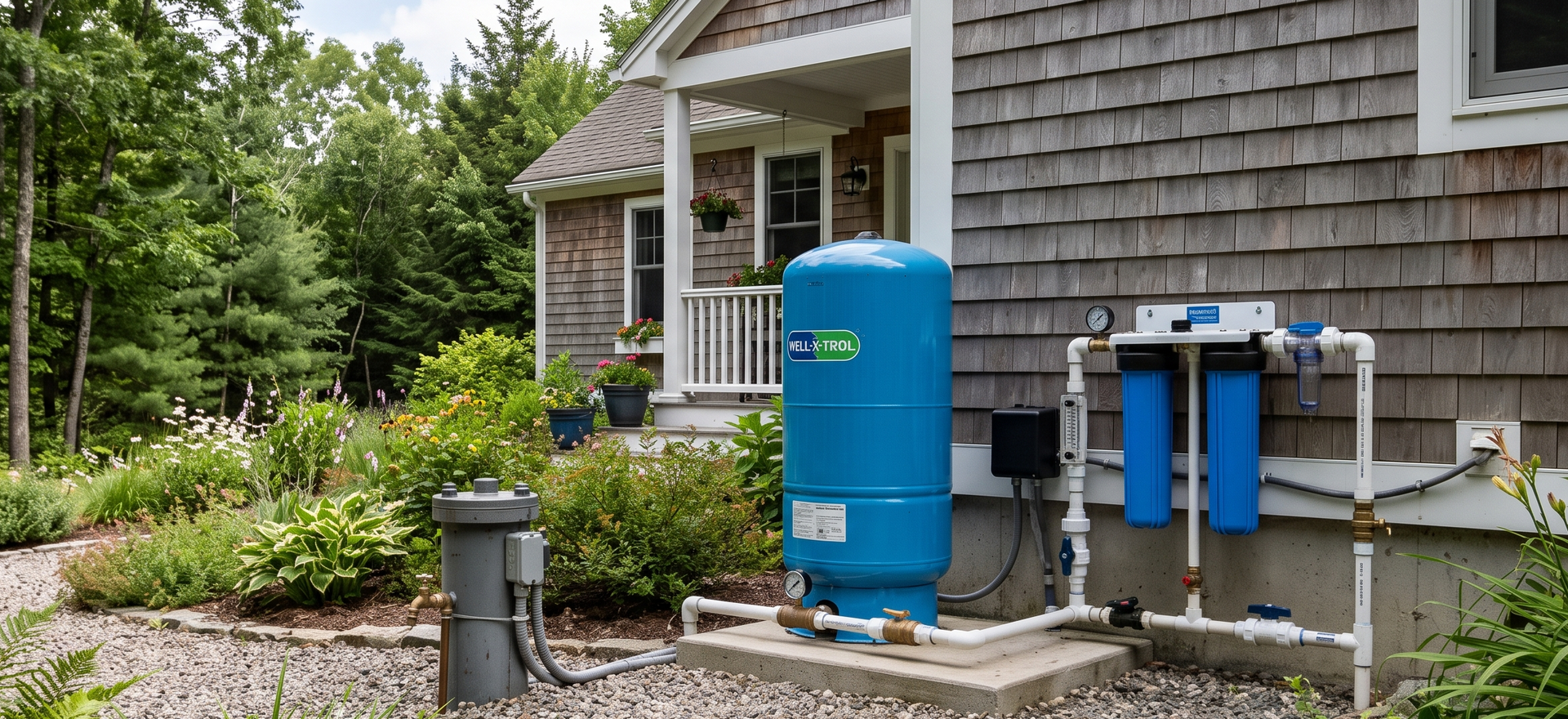
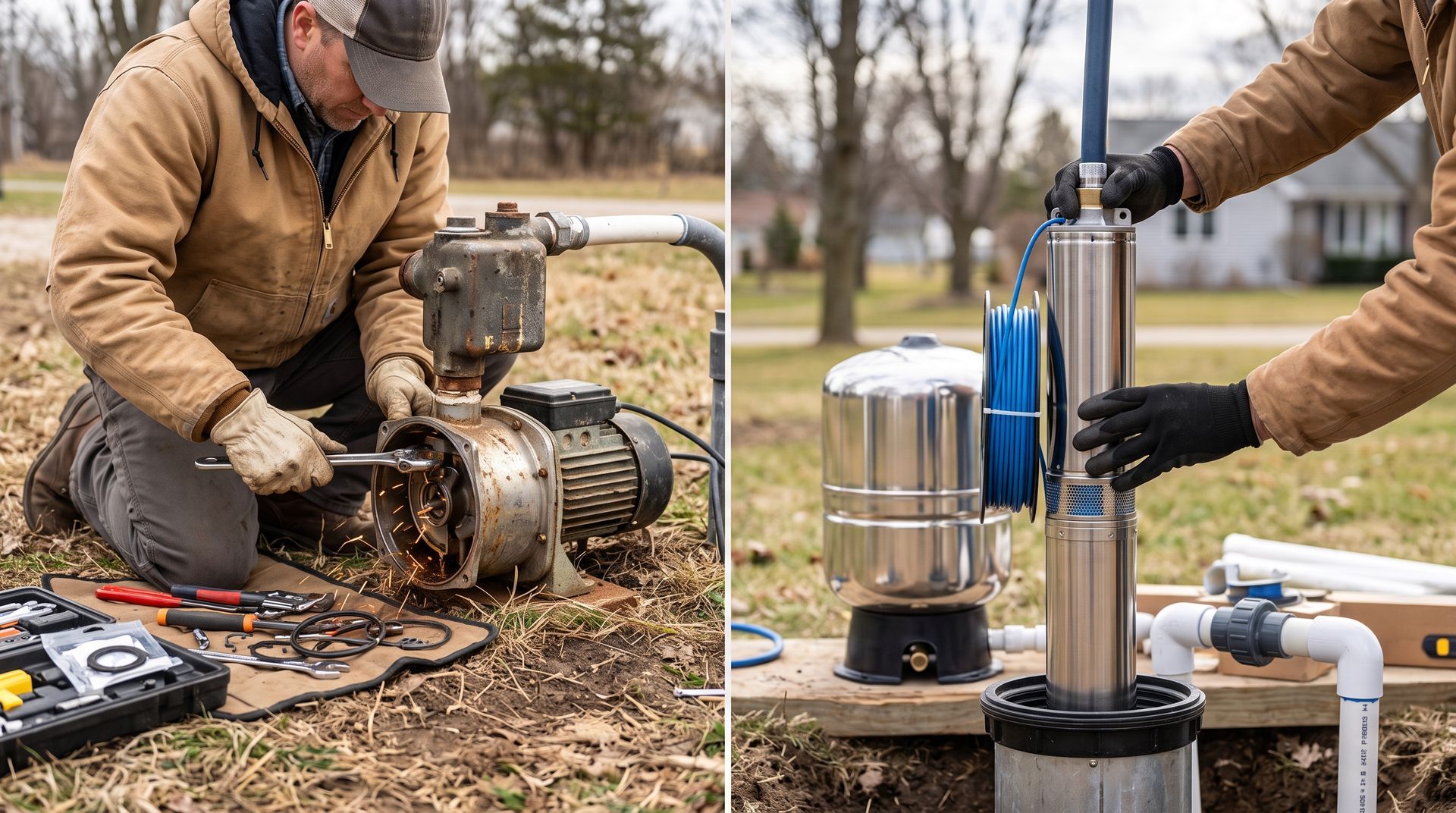
Most well systems include a pump, pressure tank, pressure switch, and sometimes filtration or treatment systems. Find out:
- What equipment is installed?
- When was it last serviced or replaced?
- Is it above ground or submersible?
Older equipment or lack of maintenance could mean future replacement costs.
5. Are There Signs of Trouble?
During your home inspection or walkthrough, look for signs of potential issues:
- Stains around sinks or toilets (iron or hard water)
- Sputtering water from faucets (air in lines)
- Pressure drops when multiple fixtures are in use
- Noisy pressure tanks or frequent pump cycling
These symptoms suggest the system needs servicing or updating.
Common Concerns for New Well Owners
- Water Quality: Groundwater can contain minerals or contaminants that require treatment.
- Well Location: Wells must be placed a safe distance from septic tanks, livestock, or runoff.
- Responsibility: Unlike city water users, well owners are responsible for testing, repairs, and maintenance.
- Insurance and Disclosure: Make sure the seller discloses any known issues and confirm the well is covered under your homeowner's insurance.
Steps to Take Before Closing
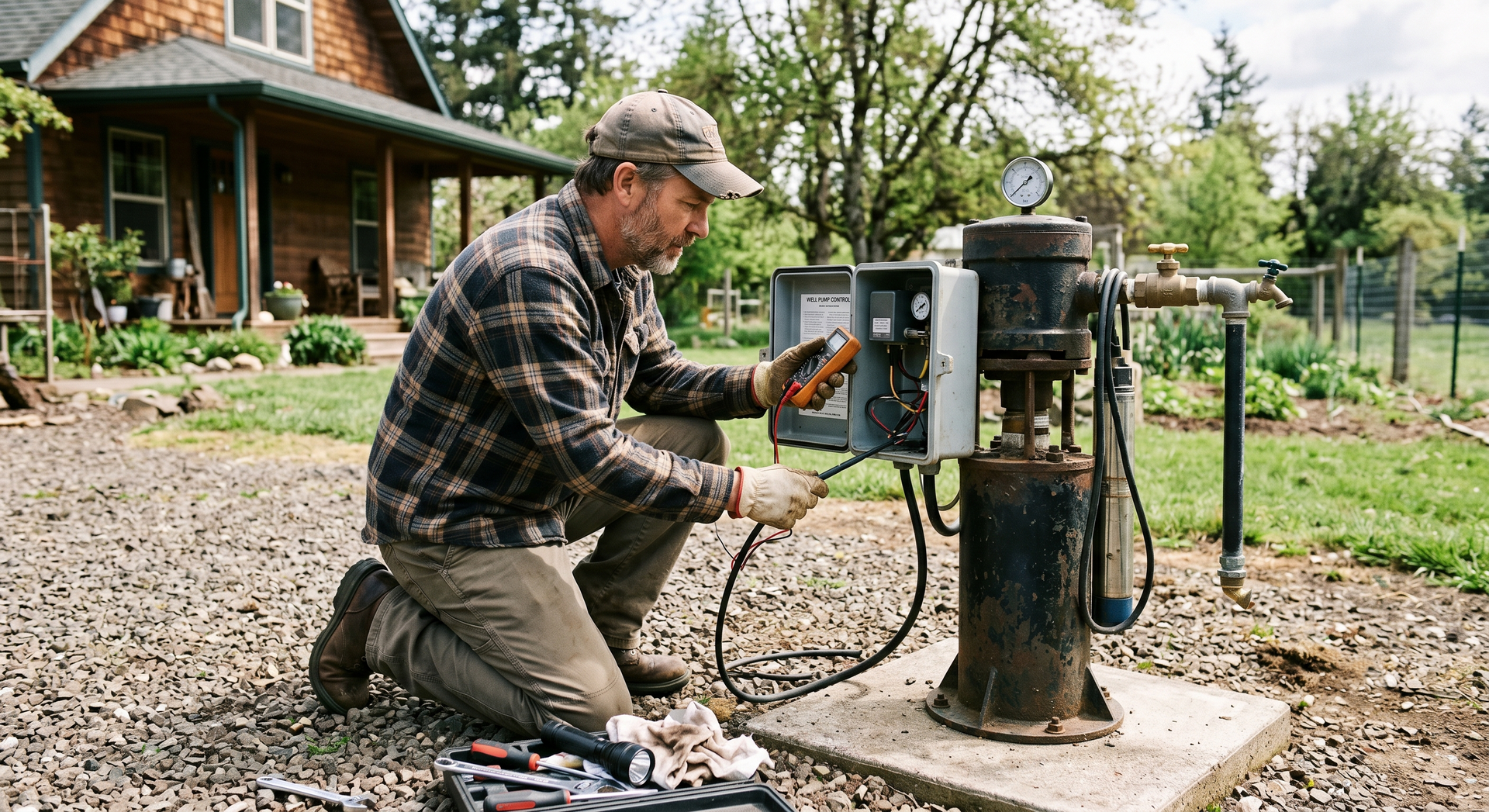
- Schedule a Professional Well Inspection
Hire a licensed well contractor to evaluate the system’s condition, pump function, and equipment. This inspection is separate from the standard home inspection. - Request a Full Water Test
Use a certified lab to test the water. If you plan to install a treatment system, testing ensures it is appropriately designed. - Review Service History and Permits
Ask for service records, well depth logs, and any applicable permits or warranties on the equipment. - Understand Local Regulations
In Texas, well construction must comply with the Texas Department of Licensing and Regulation (TDLR). A local contractor can verify the system meets current standards.
FAQs About Buying a Home With a Well
Is a well better than city water?
Wells offer independence and lower costs, but require more maintenance and annual testing to ensure safety and reliability.
How much does it cost to maintain a well?
Ongoing costs include inspections, water testing, and occasional equipment replacement. These costs vary depending on system age and water quality.
Can I install a filtration system later?
Yes. If your water contains iron, hardness, or bacteria, a filtration or treatment system can be added after testing.
What if the pump fails after I buy the home?
Pump lifespan varies, but most last 8 to 15 years. A full inspection before closing helps reduce the chance of surprises. Check if any warranty is transferable.
Do mortgage lenders require water testing?
In some cases, especially with VA or FHA loans, a water quality test may be required as part of the closing process.
Schedule a Pre-Purchase Well Inspection in Livingston, TX
Vanya Water Well Services offers pre-purchase well inspections and water testing throughout Livingston and surrounding areas. If you're buying a home with a well, we’ll assess the system, test water quality, and give you the facts you need to make an informed decision.
Work with a local expert who knows East Texas groundwater systems. Contact us today to schedule your inspection.