
Water Wells vs City Water: Which Is Better in Texas?

For many homeowners in Texas—especially in rural areas like Livingston—the choice between using a private water well or connecting to a city water supply is not always straightforward. Each option has its benefits and responsibilities, and the right choice depends on your property location, water quality preferences, and long-term maintenance goals.
This guide compares private water wells and municipal water systems to help you decide which is best for your home in Texas.
What’s the Difference Between Well Water and City Water?
Water Well Systems
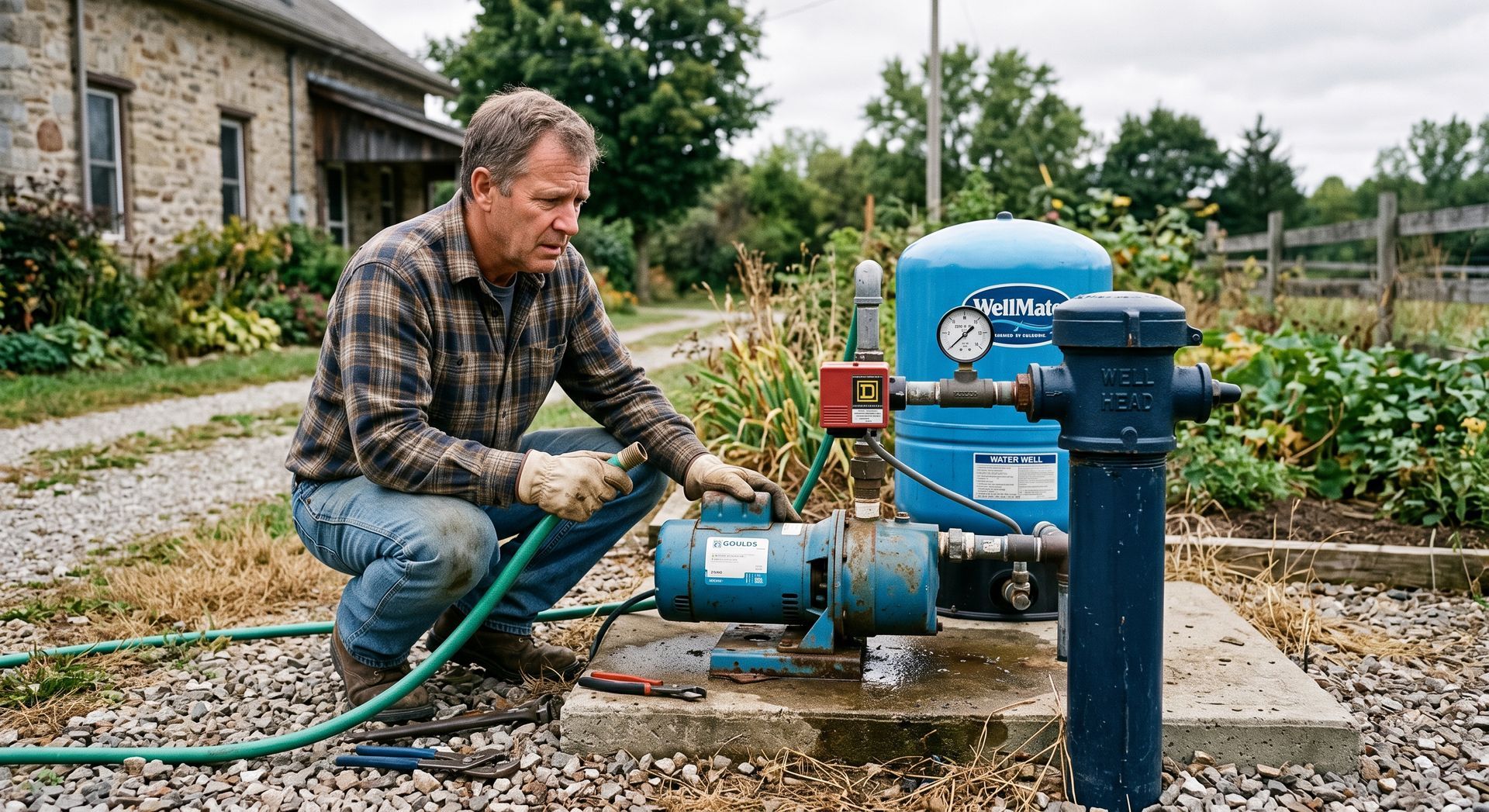
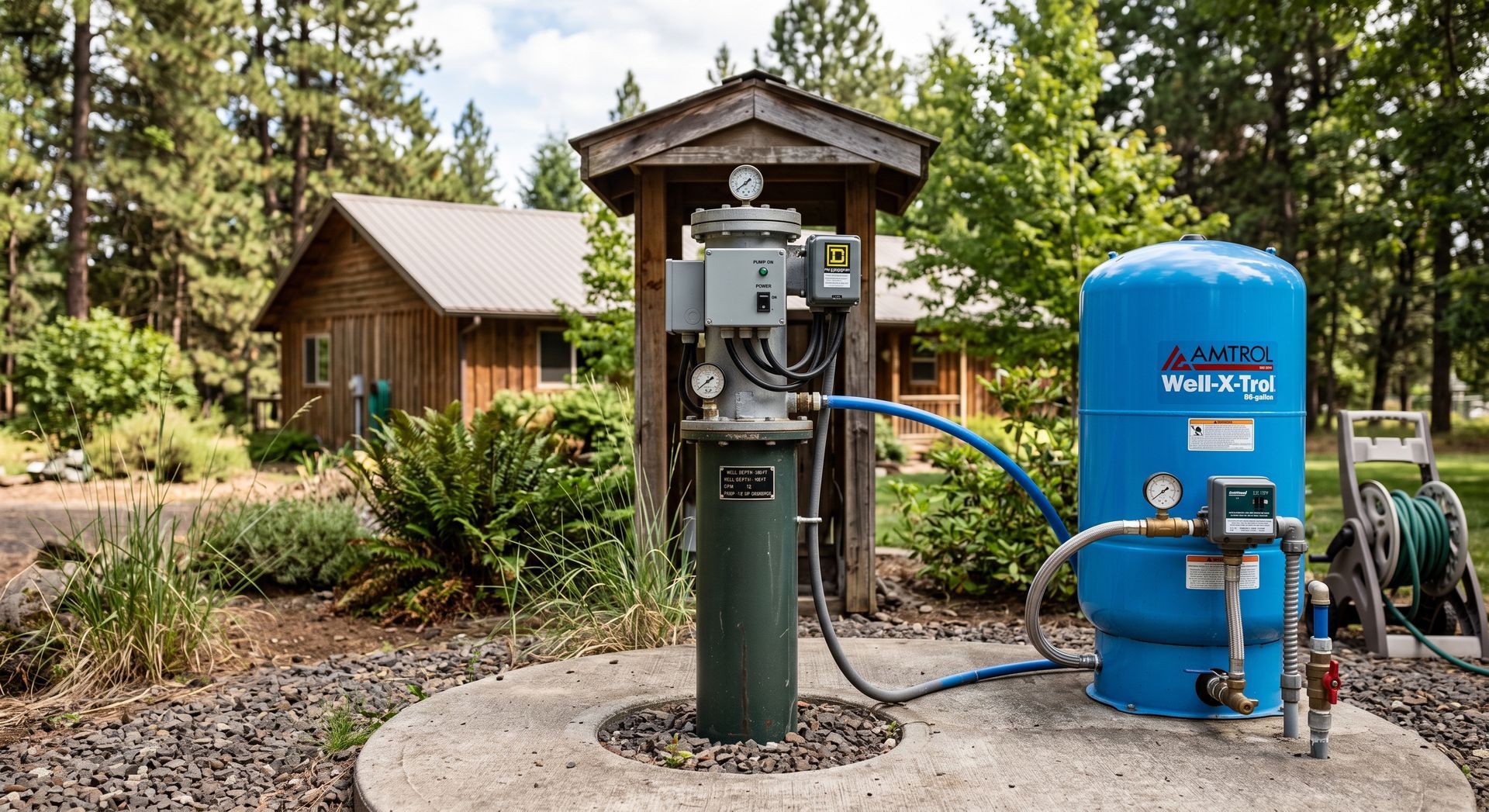
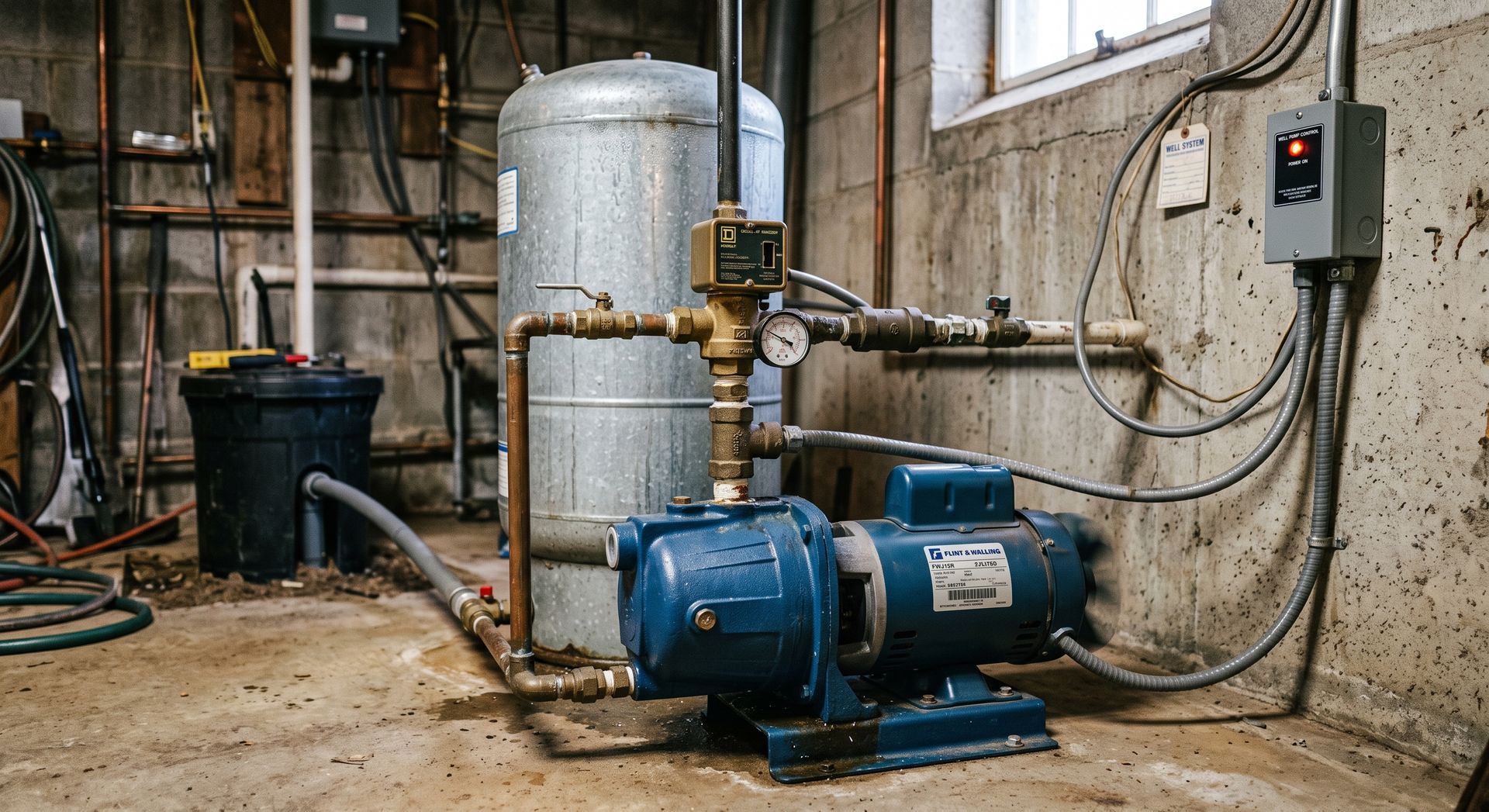
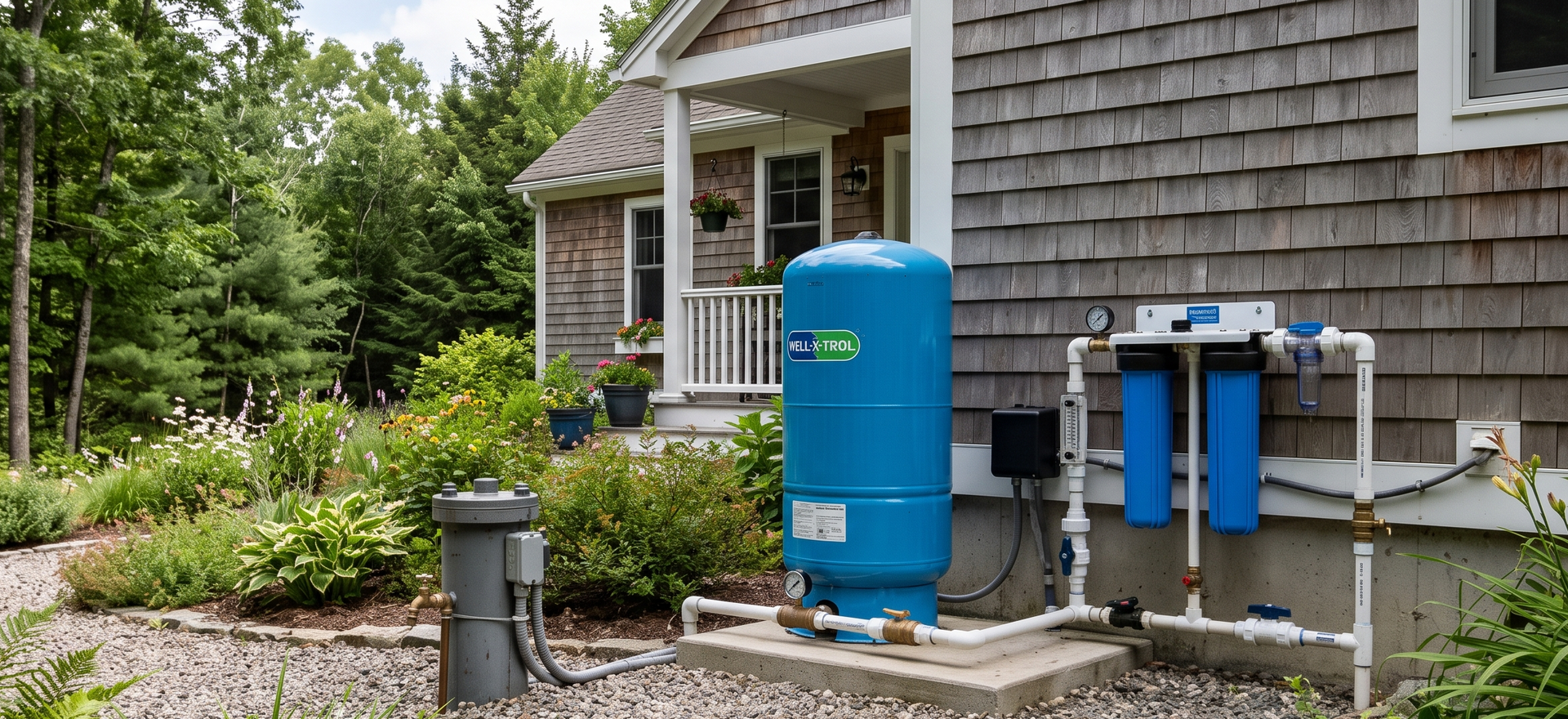
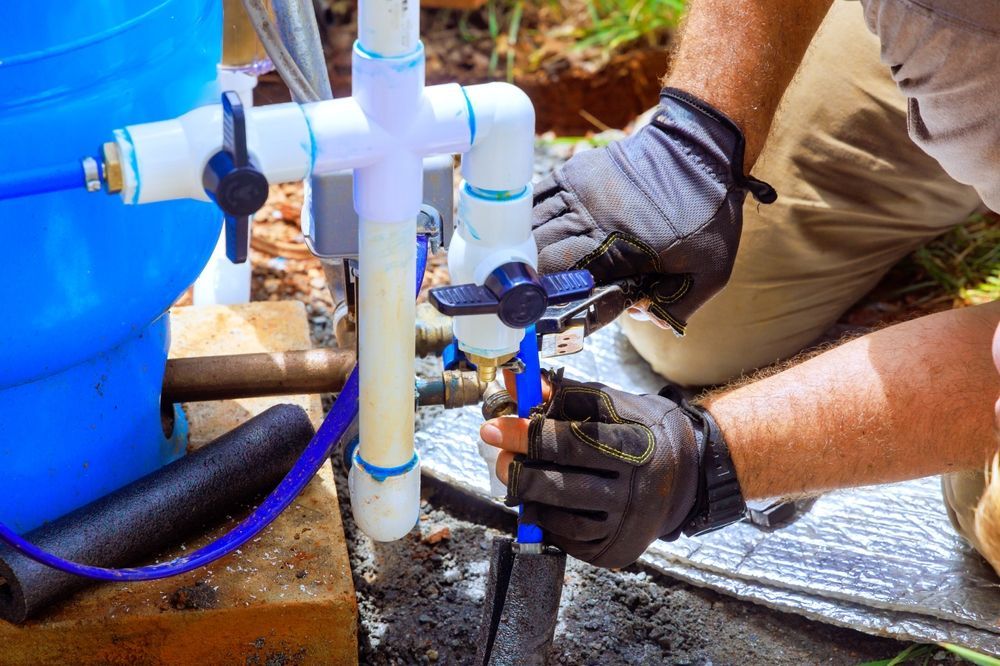
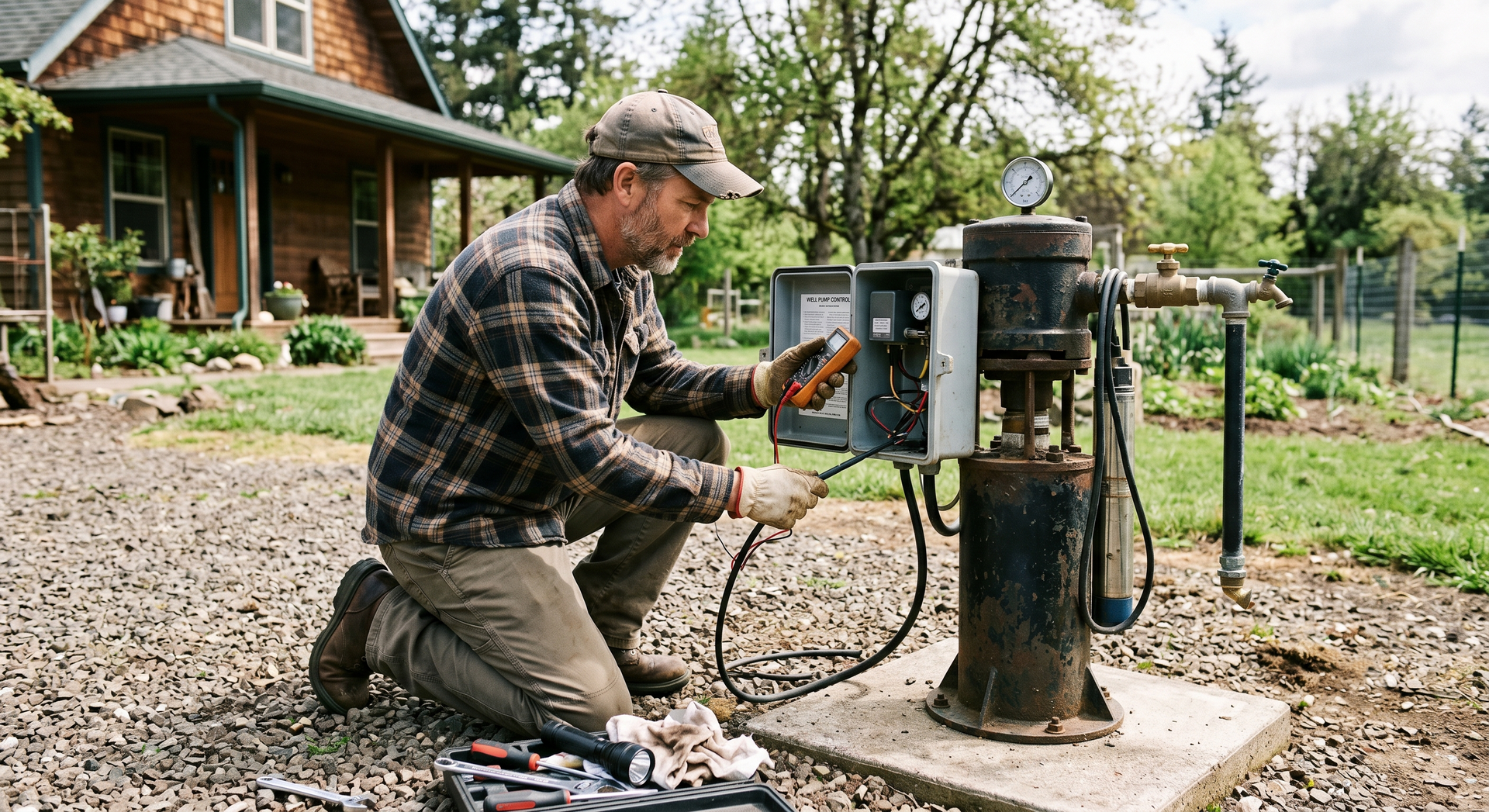
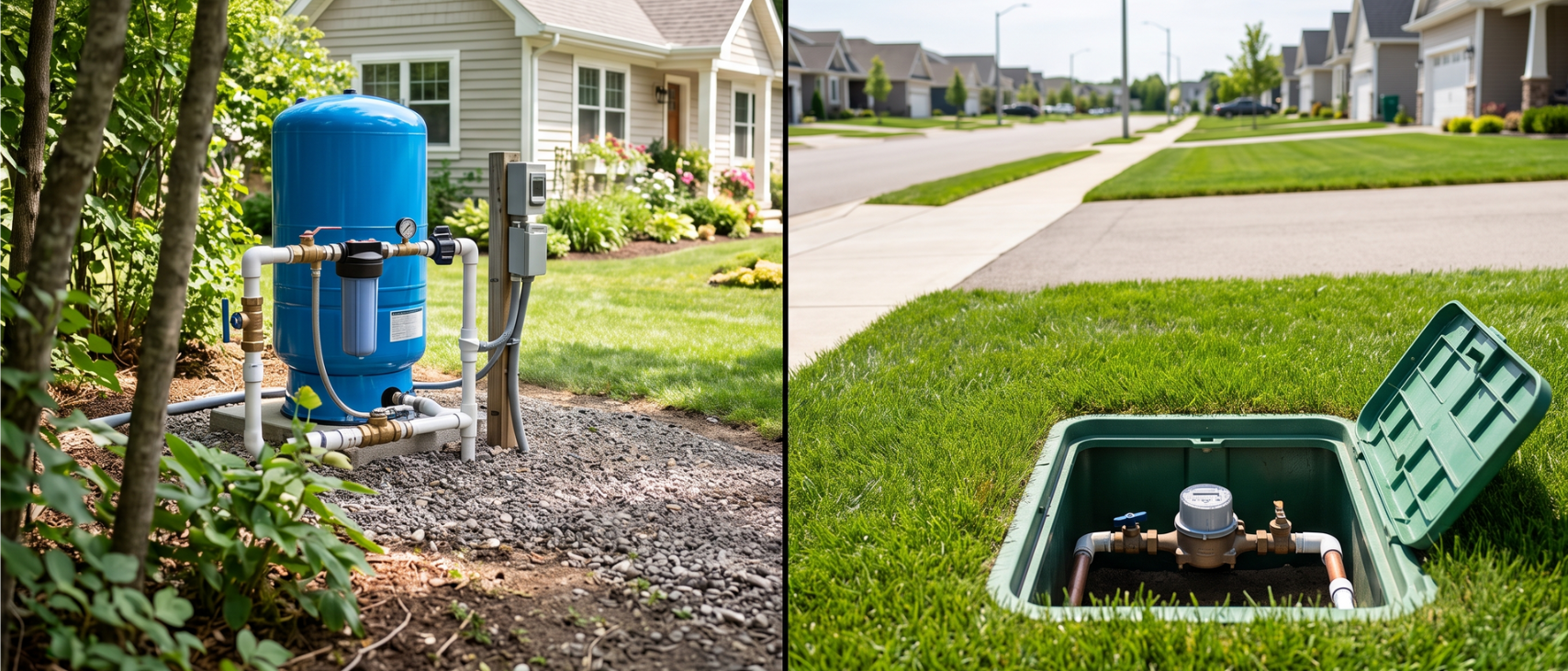
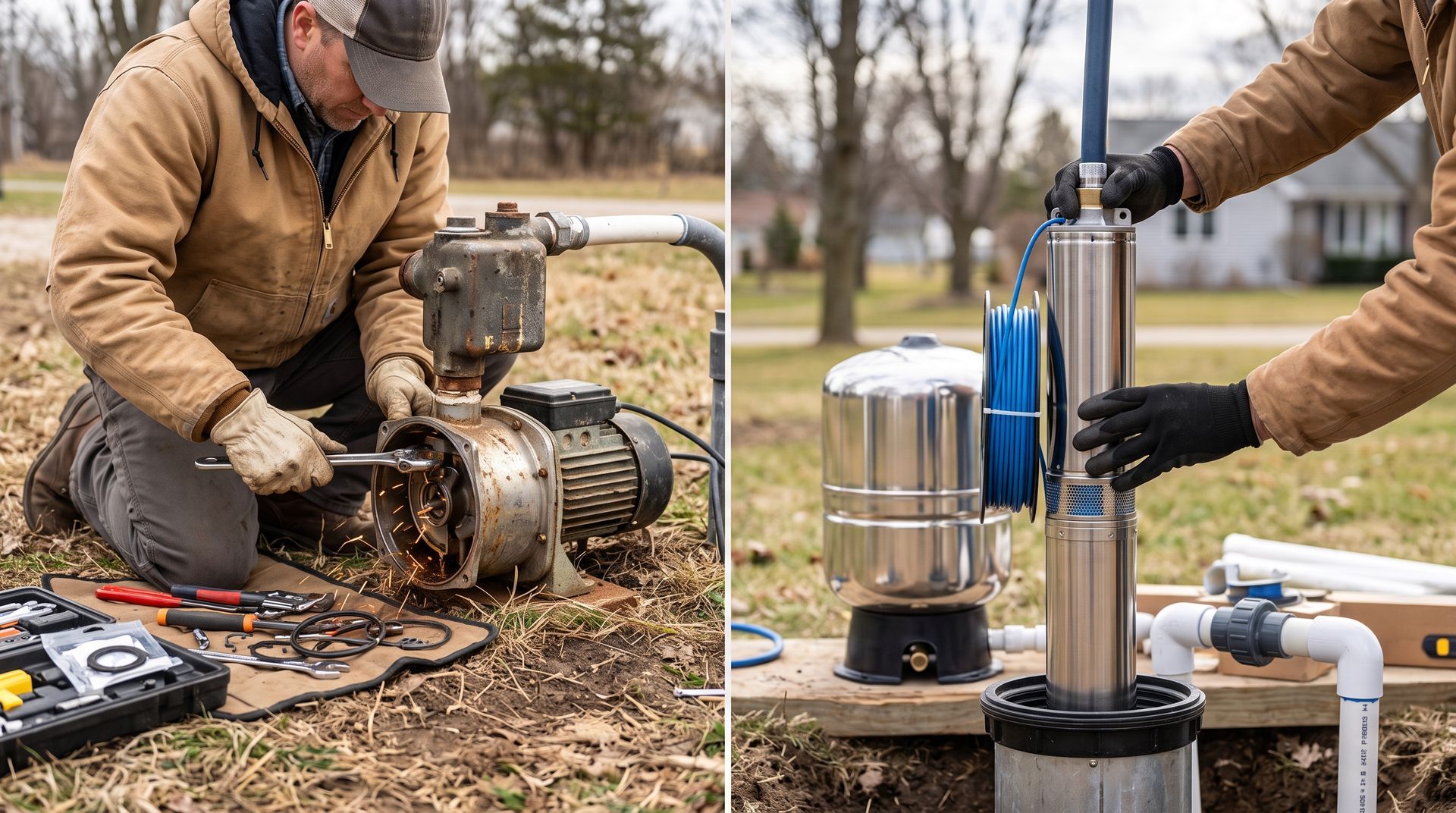
A water well draws groundwater from underground aquifers using a pump and pressure tank system. The well is privately owned and maintained by the property owner.
Common in:
- Rural and semi-rural areas
- Properties outside city limits
- Homes on larger lots or acreage
City Water Systems
City water is supplied by a public utility and delivered through a municipal infrastructure. The city or local water district is responsible for sourcing, treating, and distributing water to connected homes.
Common in:
- Urban and suburban neighborhoods
- Properties within city or town boundaries
Pros and Cons of Water Wells in Texas
Advantages of Well Water:
- No monthly water bills
- Greater independence and control
- Often better pressure, especially in rural systems
- No exposure to city treatment chemicals like chlorine or fluoride
- Consistent access to local groundwater
Considerations:
- Requires annual testing and system maintenance
- Upfront installation cost (if not existing)
- Susceptible to drought and contamination if not maintained
- Repairs and upkeep are the homeowner’s responsibility
Pros and Cons of City Water in Texas
Advantages of City Water:
- Utility manages water quality, treatment, and infrastructure
- No need to maintain your own equipment
- More predictable supply in some regions
- Fire hydrant access for safety
Considerations:
- Ongoing monthly charges and potential rate increases
- Chlorine, fluoride, and other treatment chemicals may be present
- Vulnerable to city-wide outages or boil-water notices
- Less control over water pressure and flow
Water Quality: How Do They Compare?
Well Water Quality
Groundwater can be clean and mineral-rich, but it varies based on local geology. In Texas, well water may contain:
- Iron or manganese
- Hardness (calcium, magnesium)
- Bacteria or nitrates (from runoff or septic systems)
Routine testing is essential. Filtration systems can address common well water concerns.
City Water Quality
Municipal water is regulated by the EPA and the Texas Commission on Environmental Quality (TCEQ). It's treated to remove contaminants but may contain:
- Chlorine or chloramine disinfectants
- Fluoride additives
- Byproducts from treatment chemicals
Some residents prefer to filter city water at the tap to improve taste and remove residual chemicals.
Cost Comparison: Well Water vs City Water
While private wells come with installation and maintenance costs, homeowners can avoid monthly water bills and may see long-term savings. City water, on the other hand, provides convenience but comes with ongoing utility fees and potential rate hikes over time.
Which Is Better for You?
Choose Well Water If:
- You live outside city limits or in a rural setting
- You want independence from public utilities
- You prefer natural, untreated groundwater
- You are comfortable managing system maintenance and testing
Choose City Water If:
- You want minimal involvement in water system upkeep
- You live in a neighborhood with easy utility access
- You prefer centralized oversight and treatment compliance
- You're willing to pay for convenience and infrastructure support
FAQs: Water Well vs City Water in Texas
Is well water safe to drink?
Yes, when properly tested and maintained. Annual water testing and system checks ensure safety and compliance with health standards.
Is it expensive to maintain a water well?
Routine maintenance is affordable and includes inspections, water testing, and occasional repairs. Overall costs are often lower than long-term city water bills.
What if city water is available but I already have a well?
In many cases, you can choose to remain on your well. Some homeowners even use both systems—one for drinking and one for irrigation or backup.
Can I switch from city water to a well?
Yes, if your property allows for drilling and permits are approved. An evaluation will determine feasibility and cost.
Is water pressure better with a well?
Wells often provide better and more consistent pressure, especially in rural areas where municipal infrastructure may be limited.
Local Water Well Services in Livingston, TX
If you’re weighing the pros and cons of a water well versus city water in East Texas, Vanya Water Well Services can help. We offer consultations, system evaluations, water testing, and complete installation for private wells.
Serving Livingston, TX and surrounding areas, we work with both new homeowners and long-time residents looking to upgrade or maintain their well systems.
Request a consultation today at:
https://www.vanyawaterwellservice.com