
Why Is My Well Pump Running Constantly? Causes and Solutions

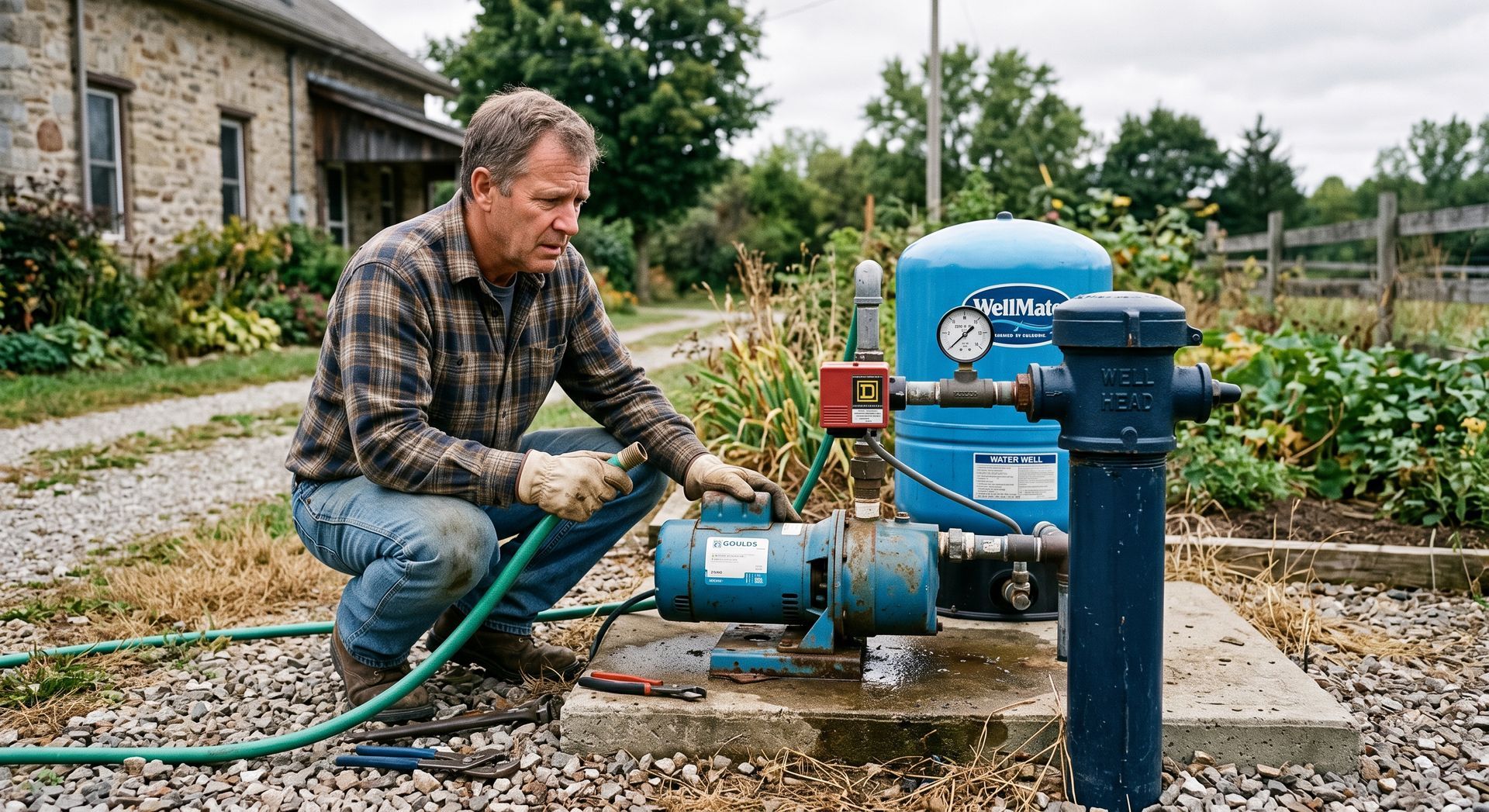
A well pump running constantly usually means the system cannot reach the pressure needed to shut the pump off. The cause could be a water leak, faulty pressure switch, pressure tank problem, low water level, damaged piping, or a pump that is losing performance.
If your pump continues running after normal water use has stopped, do not ignore it. Continuous operation can increase electricity use, accelerate equipment wear, and eventually affect your water supply. Finding the actual cause is more important than assuming the pump needs replacement.
How Should a Well Pump Normally Operate?
A typical residential well system uses pressure to control when the pump starts and stops.
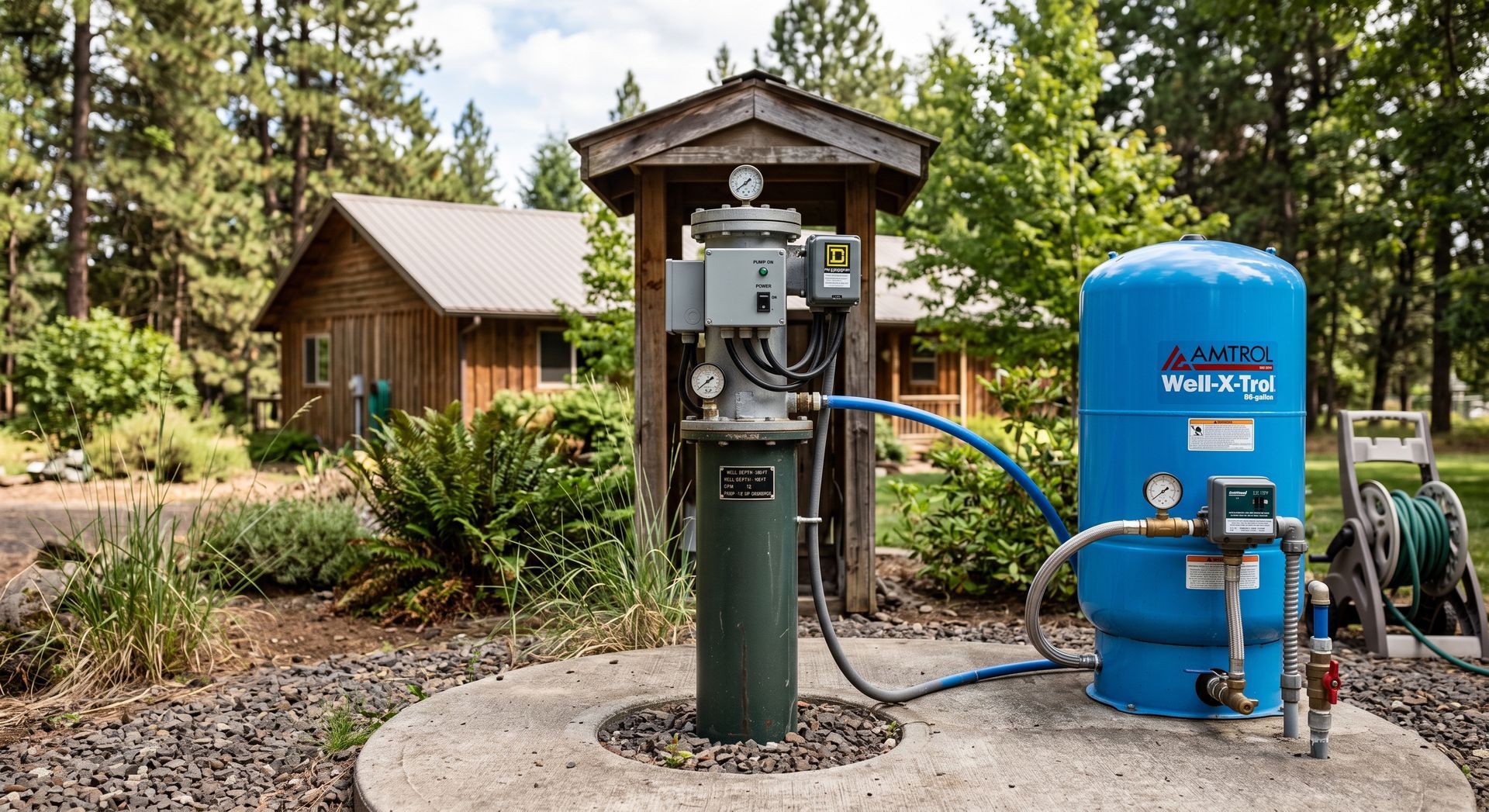
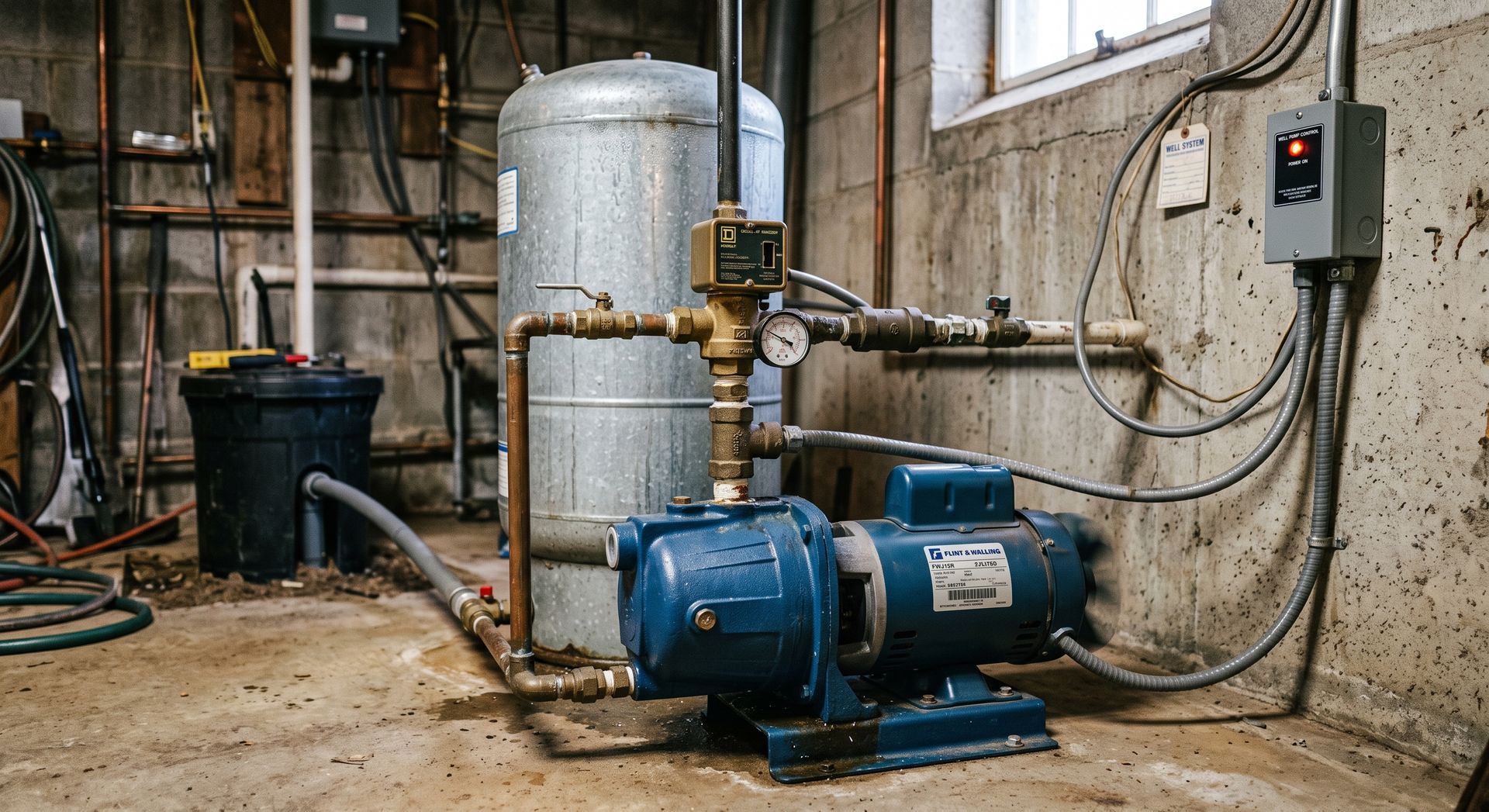
When you open a faucet or use an appliance, water leaves the pressure tank and system pressure falls. At the pressure switch's lower setting, the pump turns on. It supplies water and rebuilds pressure until the upper setting is reached, then shuts off.
A longer cycle is not always a problem. Showers, laundry, irrigation, and other heavy water use can keep a pump running longer than usual.
The warning sign is a well pump that keeps running after significant water use has stopped.
What Causes a Well Pump to Run Constantly?
Because several components work together to maintain water pressure, continuous operation does not automatically mean the pump itself has failed.
A Leak Is Preventing the System From Building Pressure
A leak can release water while the pump is trying to rebuild pressure. If enough water escapes, the system may never reach its normal shutoff point.
Start with obvious sources such as running toilets, outdoor faucets, irrigation lines, and visible plumbing leaks. Underground piping or well components can also leak without producing an obvious sign at the surface.
The Pressure Switch Is Not Working Properly
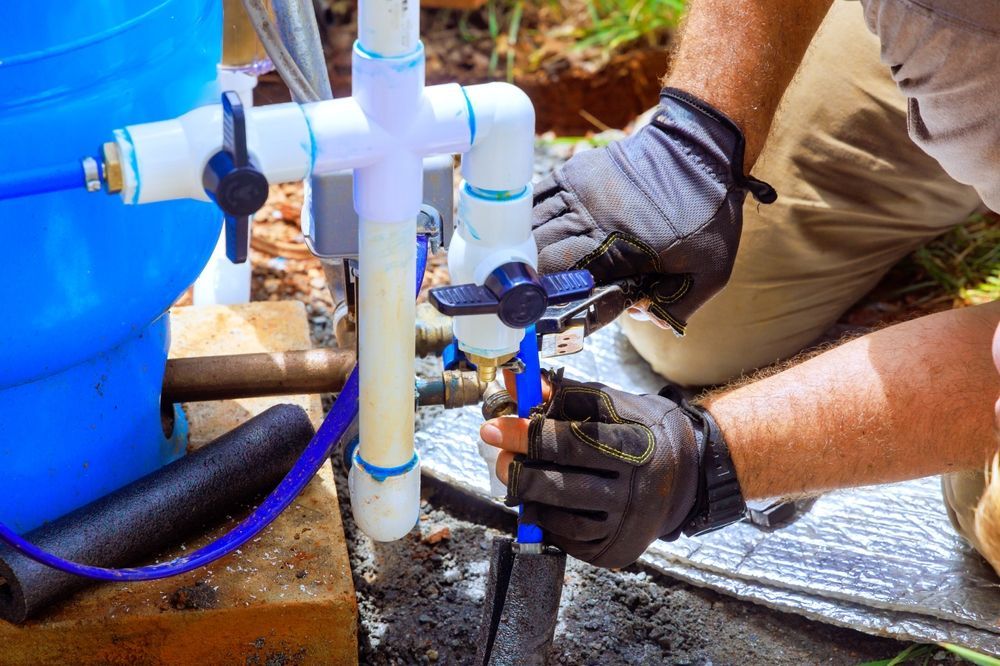
The pressure switch tells the pump when to start and stop. A damaged, obstructed, or malfunctioning switch may prevent normal shutoff.
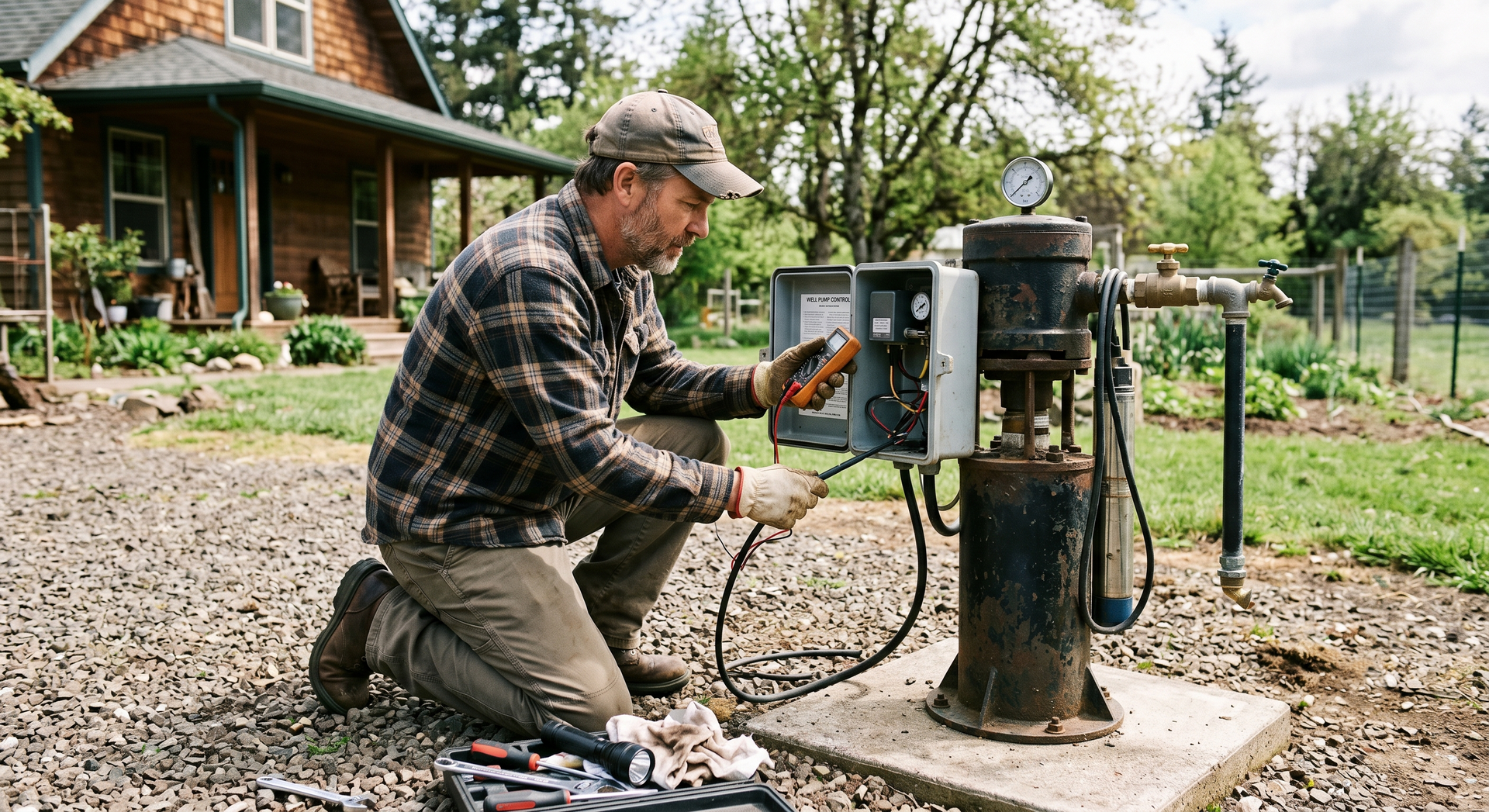
Pressure switches involve electrical components, so adjusting one without identifying the underlying problem is not recommended. A well professional can test whether the switch is accurately responding to system pressure.
The Pressure Tank Has a Problem
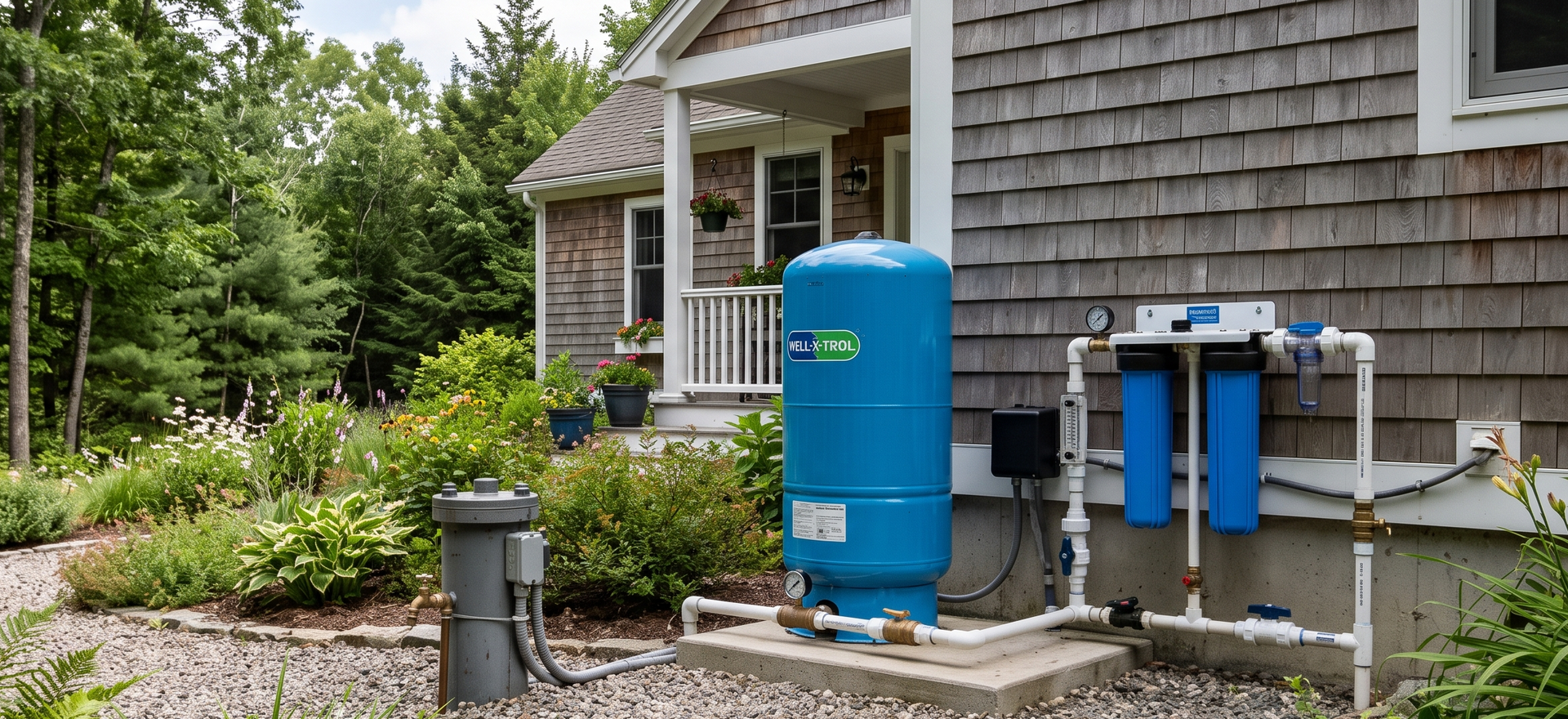
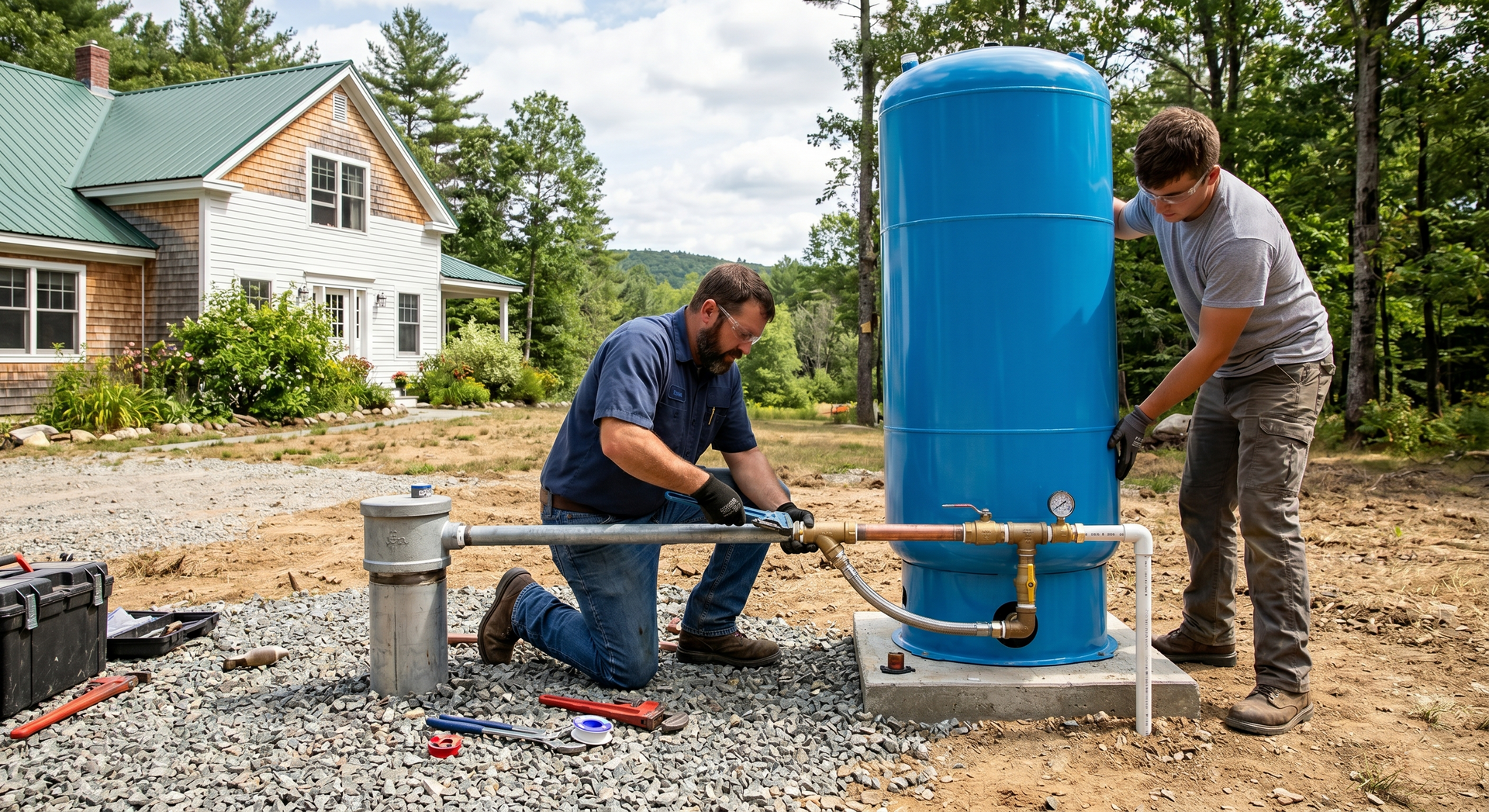
The pressure tank helps maintain consistent water pressure and supports normal pump operation.
A problem with the tank's air charge, bladder, or related components can affect how the system operates. Other signs may include fluctuating water pressure, unusual gauge readings, or changes in pump cycling.
Pump and pressure tank symptoms often overlap, making proper diagnosis important before either component is replaced.
The Well Is Not Supplying Enough Water
The pump can only move the water available in the well.
If the water level drops or the well recovers more slowly than household demand, the pump may struggle to rebuild pressure. This can become more noticeable during dry East Texas weather or periods of unusually heavy water use.
A professional can determine whether the problem originates with water availability, the pump, or another part of the system.
The Pump Is Losing Performance
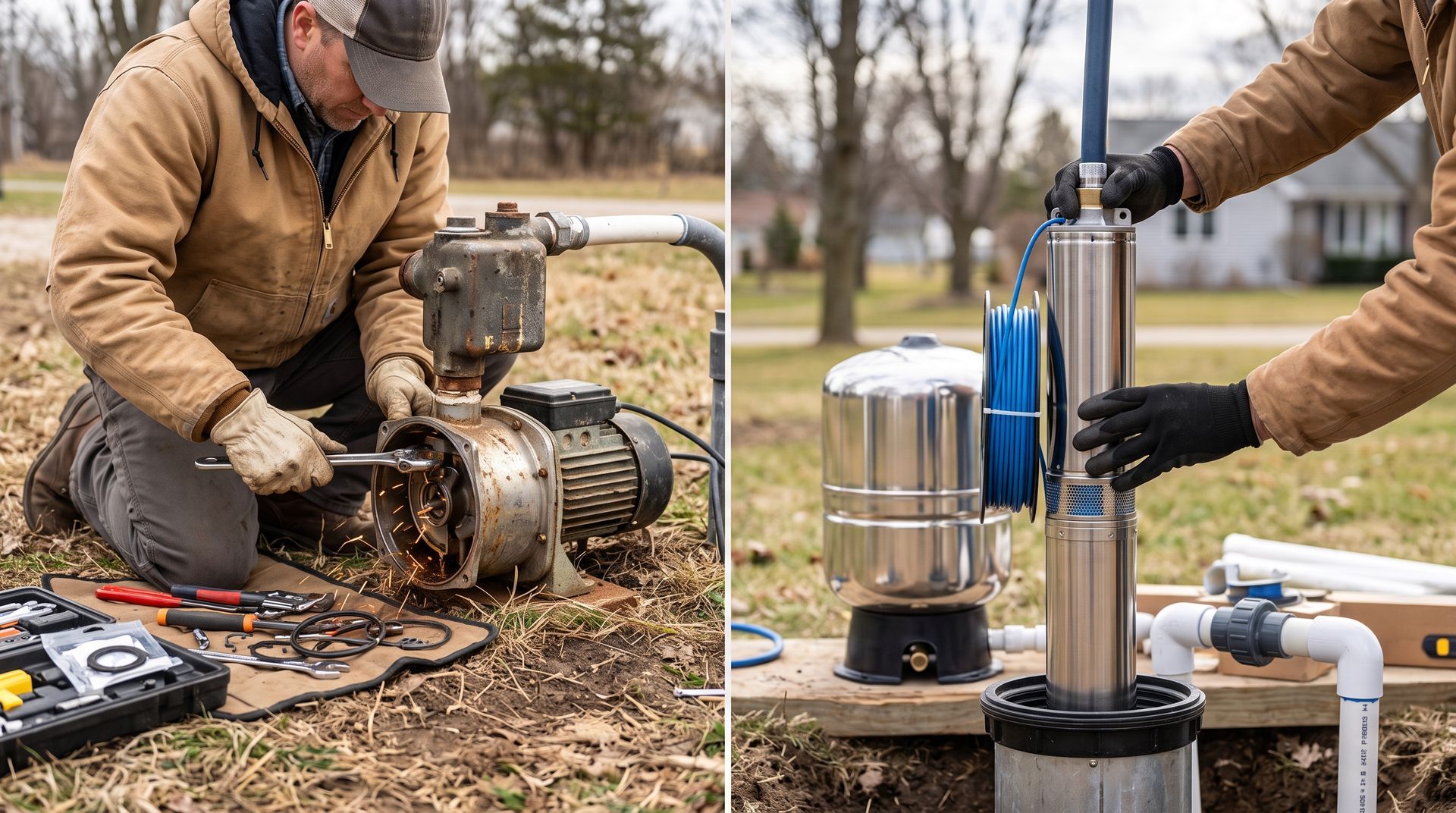
A worn pump may still run while producing less flow or pressure than it did previously. If it cannot reach the system's shutoff pressure, it may continue operating.
Longer run times combined with weaker pressure, reduced water delivery, or unusual pump sounds can indicate declining performance.
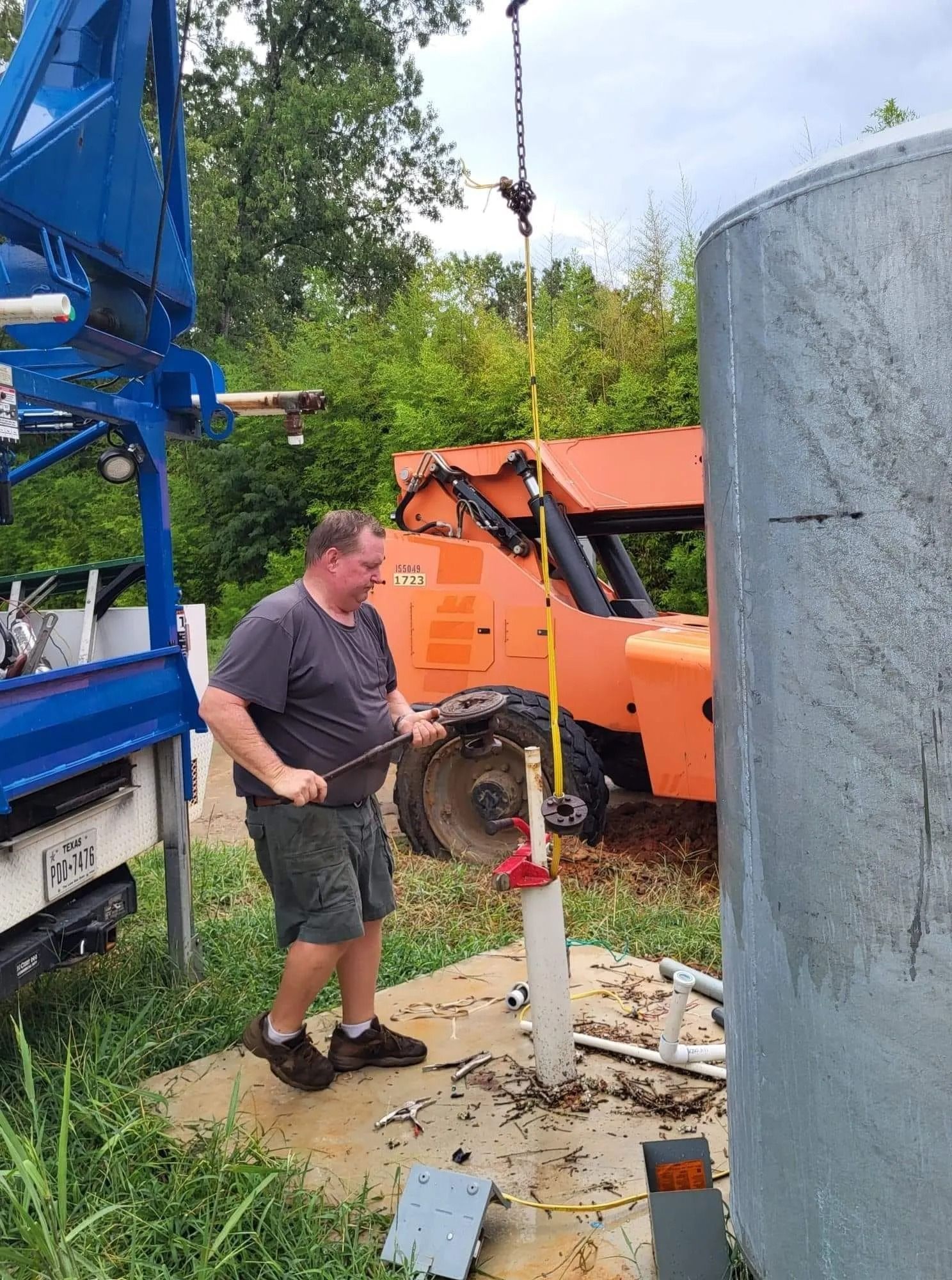
This does not automatically mean replacement is necessary. The pump should be evaluated along with the rest of the well system before deciding between repair and replacement.
A Pipe or Well Component Is Damaged
Damaged piping, fittings, valves, or other components can allow water or pressure to escape.
These problems can be difficult to identify because portions of a well system are underground. A pump that is clearly operating while the pressure gauge struggles to rise may indicate a problem that requires professional inspection.
What Should You Do If Your Well Pump Won't Shut Off?
First, determine whether your property is still using water. Check faucets, toilets, outdoor hydrants, irrigation systems, and water-using appliances.
If your system has an accessible pressure gauge, observe it while the pump runs. Pressure that rises very slowly or stops below the normal shutoff point can help a technician narrow down the problem.
Also pay attention to other changes, including:
- Lower water pressure
- Unusual humming, clicking, or vibration
- Longer pump cycles
- Intermittent water delivery
- Unexpected increases in electricity use
Avoid repeatedly resetting the pump or adjusting the pressure switch in an attempt to make the system shut off. These actions do not correct the cause and may make troubleshooting more difficult.
If the pump continues running after water demand has stopped, arrange for professional service.
Why Should You Address the Problem Quickly?
A continuously running pump accumulates unnecessary operating hours. Over time, that can contribute to equipment wear and increased electricity consumption.
More importantly, constant operation may be warning you about another developing problem. A leak can worsen, a pump can continue losing performance, or a water-supply issue can eventually leave the property with inadequate water.
Early diagnosis also reduces the chance of replacing the wrong component. The most effective repair starts by determining why the system cannot complete its normal pressure cycle.
Frequently Asked Questions
Why is my well pump running when nobody is using water?
The system may be losing pressure because of a leak, faulty pressure switch, pressure tank issue, damaged piping, low water availability, or declining pump performance.
Does a constantly running well pump need replacement?
Not necessarily. The pump is only one possible cause. A professional should inspect the entire system before determining whether the pump needs repair or replacement.
Can a pressure tank cause continuous pump operation?
Pressure tank problems can interfere with normal system operation and affect pump behavior. Because the symptoms can resemble pump or pressure switch problems, the components should be evaluated together.
When should I call a well professional?
Schedule service if the pump continues running after water use stops, cannot build normal pressure, makes unusual sounds, or is accompanied by noticeably reduced water delivery.
Get Well Pump Service in Livingston, TX
If your well pump runs constantly or your water system isn’t working properly, don’t wait. Vanya Water Well Services provides professional well pump repair, replacement, pressure tank service, and maintenance in Livingston and surrounding East Texas communities.
Contact Vanya Water Well Services today to schedule an evaluation.