
Well Pump Repair vs. Replacement: Which Option Makes Sense?
Choosing between well pump repair vs replacement depends on more than whether the pump is still running. Its age, condition, repair history, performance, and the actual cause of the problem all matter. A minor control or electrical issue may justify repair, while an aging pump with repeated failures or declining performance may be a better candidate for replacement.
For Livingston-area property owners, the best decision starts with diagnosing the entire well system. Symptoms that appear to indicate pump failure can sometimes originate elsewhere.
When Does Well Pump Repair Make Sense?
Repair can be the practical choice when the pump is otherwise in good condition and the problem can be corrected without replacing the complete unit.
The Problem Is Not the Pump Itself
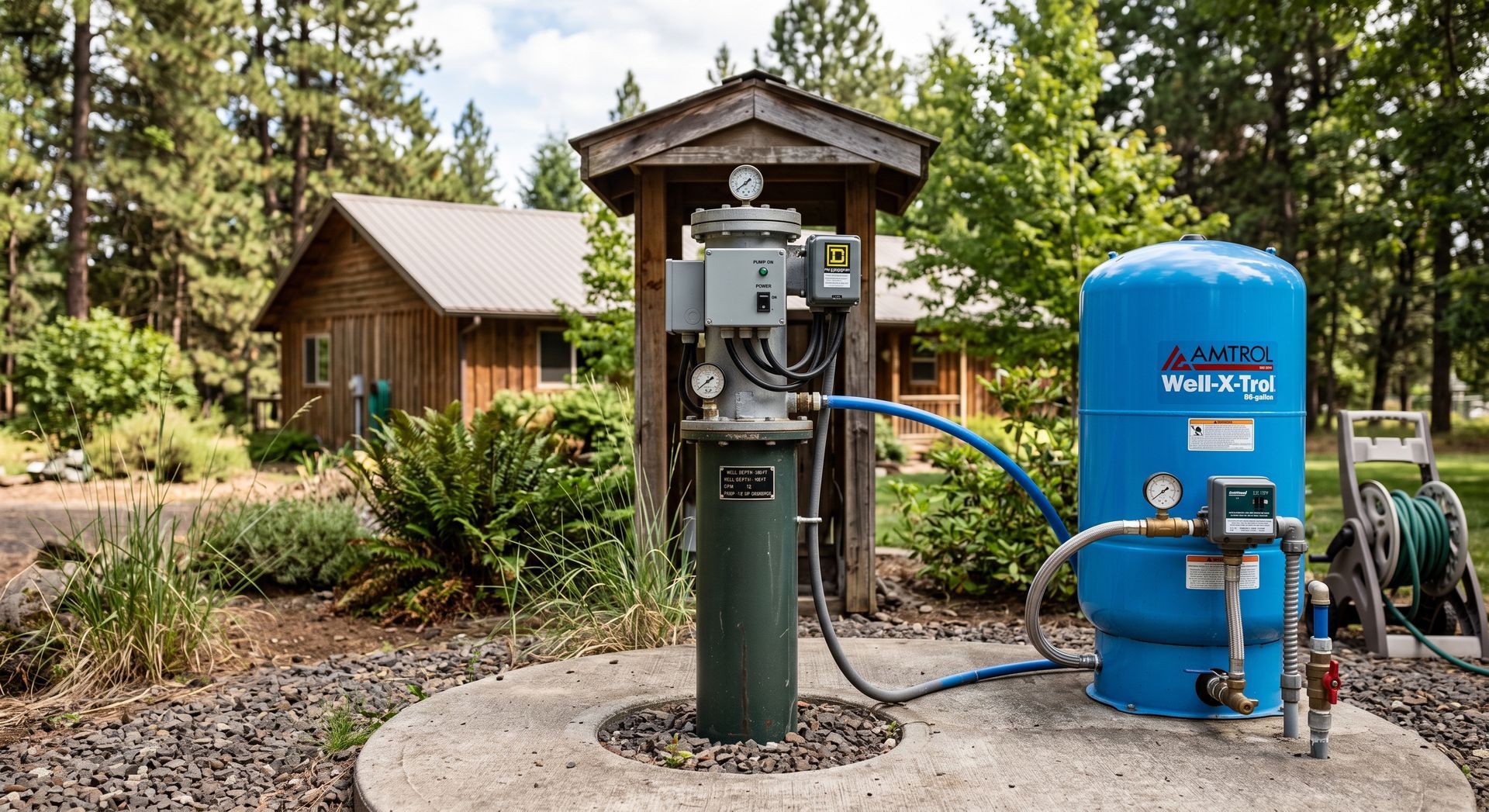
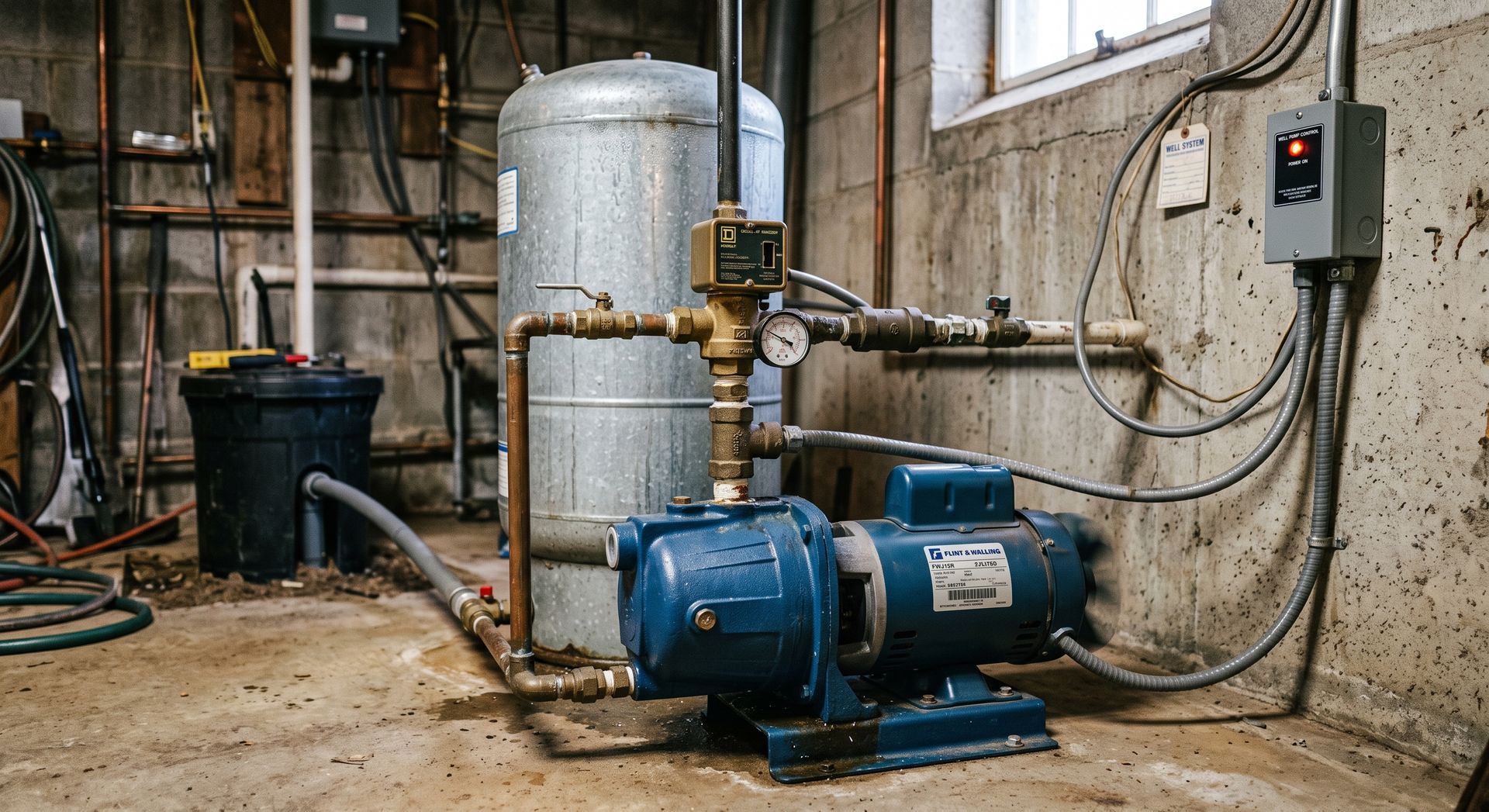
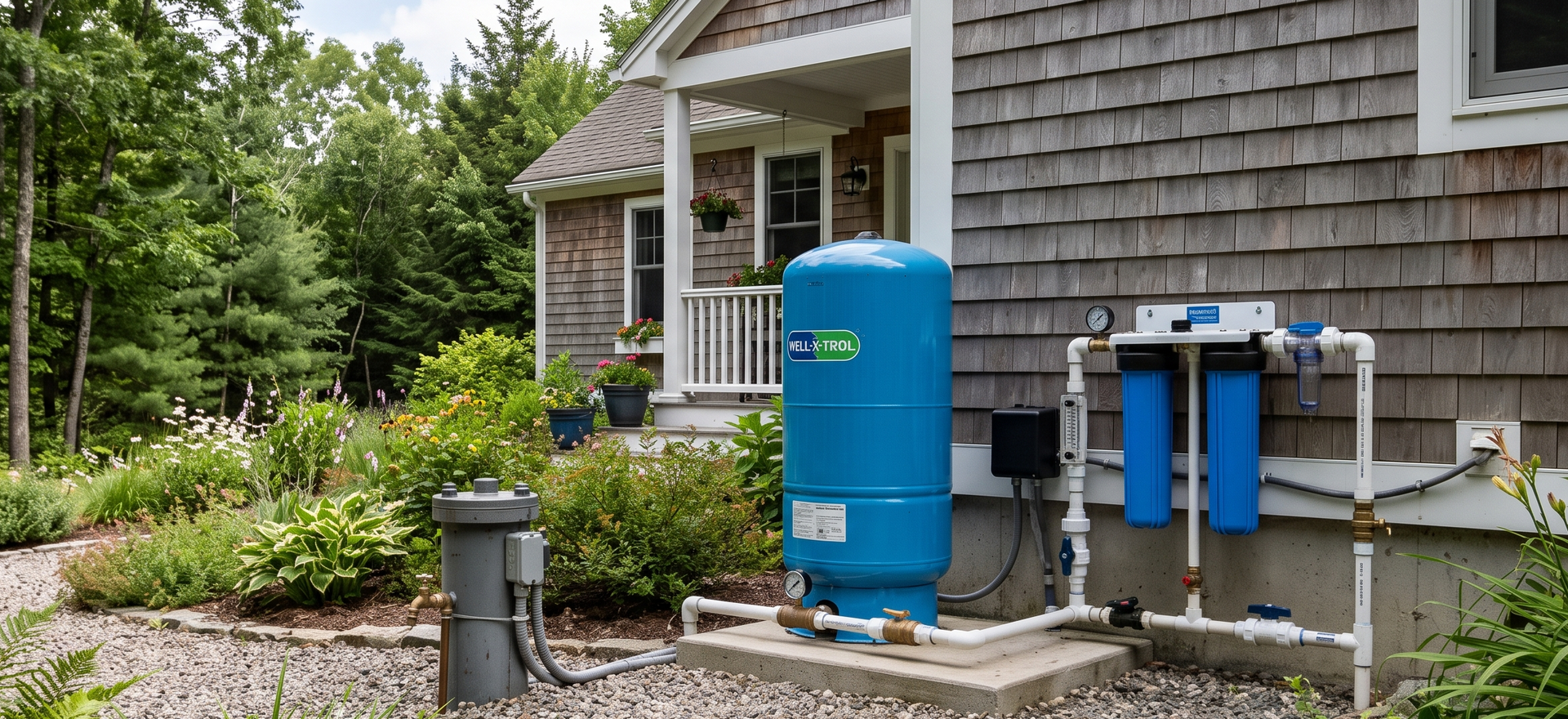
A private well system includes more than a pump. Pressure switches, tanks, controls, wiring, piping, valves, and other components all influence water delivery.
For example, inconsistent pressure does not automatically prove that the pump is failing. A pressure tank or control problem can produce similar symptoms.
Accurate diagnosis can prevent a property owner from replacing a functional pump unnecessarily.
The Pump Has Not Had Repeated Problems
A pump with a limited repair history may still have useful service life remaining.
If the current issue is isolated and the rest of the system is operating properly, repairing the affected component may make more financial sense than installing a new pump.
The nature of the failure matters more than simply counting how many years the pump has been in service.
Performance Was Normal Before the Problem
Consider how the system operated before the current failure.
Was water pressure consistent? Did the pump cycle normally? Was water delivery adequate for the property?
If the pump performed reliably until one specific component failed, repair may be reasonable. A long pattern of declining performance can point toward a different decision.
When Is Well Pump Replacement the Better Option?
Replacement becomes more attractive when repairing the existing equipment is unlikely to provide dependable long-term service.
The Pump Is Aging and Performance Is Declining
Well pumps do not have a single expiration date. Their service life varies based on pump type, installation, water conditions, usage, cycling frequency, and maintenance.
Age therefore should not be the only reason for replacement.
However, an older pump that is also producing weaker pressure, longer run times, reduced flow, or other performance problems deserves closer evaluation. Multiple signs of deterioration can indicate that replacement offers better long-term value.
Repairs Are Becoming Frequent
One repair does not necessarily justify replacing a pump. Repeated service calls are different.
If an older pump requires recurring repairs, compare what you are spending to keep it operating with the cost and expected reliability of replacement.
Continuing to repair deteriorating equipment can become more expensive while still leaving the property vulnerable to another interruption.
The Pump Can No Longer Meet Water Demand
A pump must provide adequate water for the property's actual needs.
If the existing pump cannot maintain appropriate pressure or delivery despite the rest of the system functioning correctly, replacement may be necessary.
A professional should determine why performance has declined before recommending a different pump. Installing a larger unit without considering the well's production and system design is not automatically an improvement.
The Pump Has Failed Completely
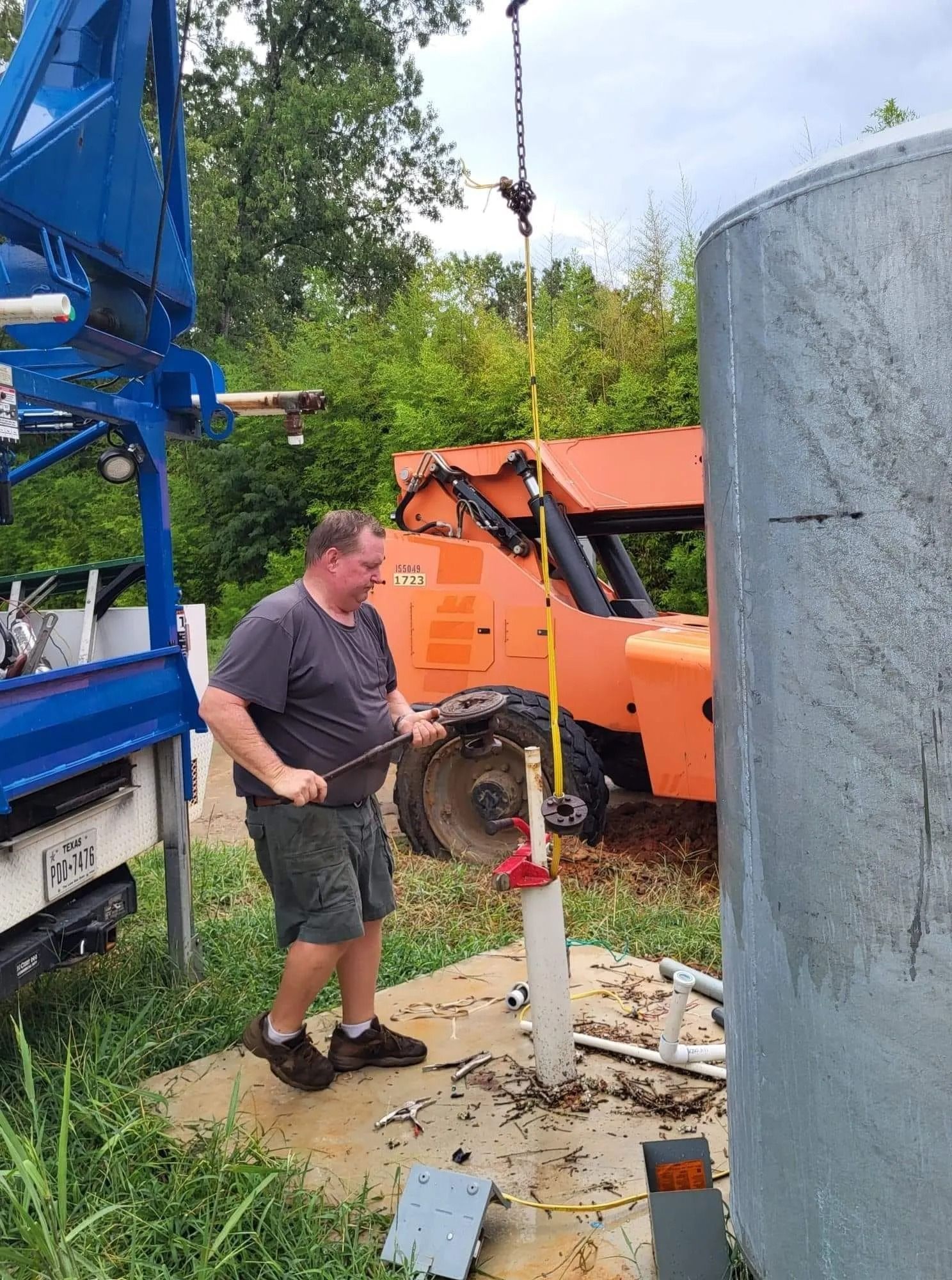
A pump that has suffered a major mechanical or electrical failure may not be economical or practical to repair.
The technician should still confirm that the pump is the source of the failure. No water at the faucets can also result from electrical controls, pressure equipment, piping, or water-level conditions.
What Factors Should You Compare Before Deciding?
The lowest immediate repair bill is not always the least expensive option over time. Likewise, replacement is not automatically worthwhile just because the equipment is older.
Consider these factors together:
- Age and overall condition of the pump
- Cause and severity of the current failure
- Previous repair history
- Current water pressure and flow
- Reliability before the failure
- Cost of the proposed repair
- Likelihood of additional repairs
- Condition of the pressure tank and controls
For East Texas property owners who depend entirely on a private well, reliability also carries practical value. Unexpected loss of water can disrupt cooking, bathing, laundry, livestock care, business operations, and other everyday needs.
Should You Replace a Pump Just Because It Is Old?
Not necessarily.
A pump that is older but operating reliably does not automatically need replacement. Preventive replacement may make sense in certain circumstances, but age should be considered alongside actual condition and performance.
The opposite is also true. A relatively newer pump can fail early because of electrical problems, excessive cycling, incorrect system conditions, or other factors.
Rather than relying on age alone, evaluate how the equipment is operating and what caused the current problem.
Why Professional Diagnosis Matters
Several well-system problems can imitate pump failure.
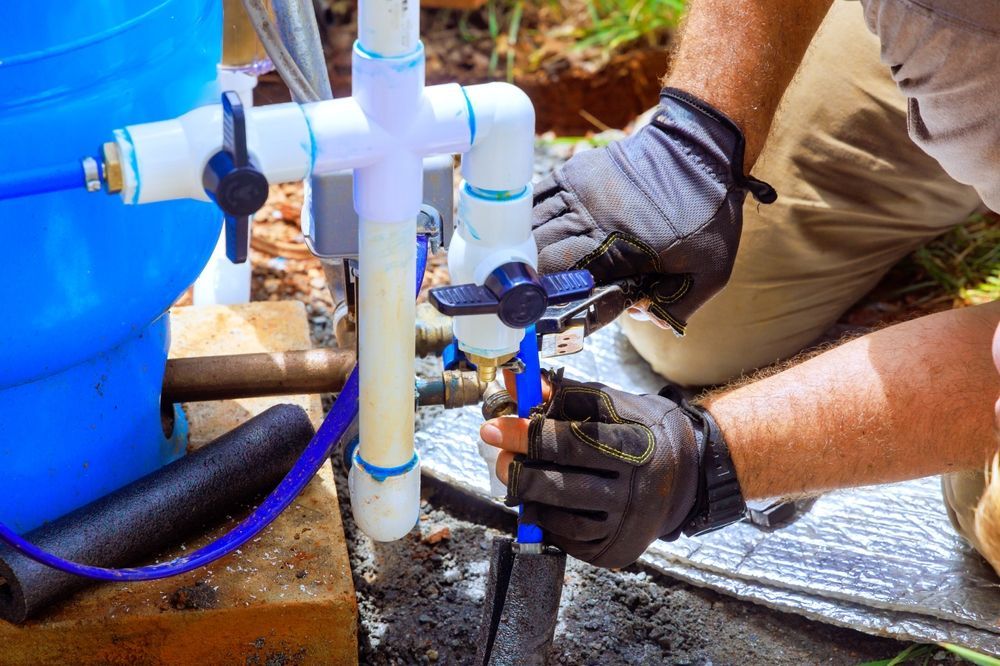
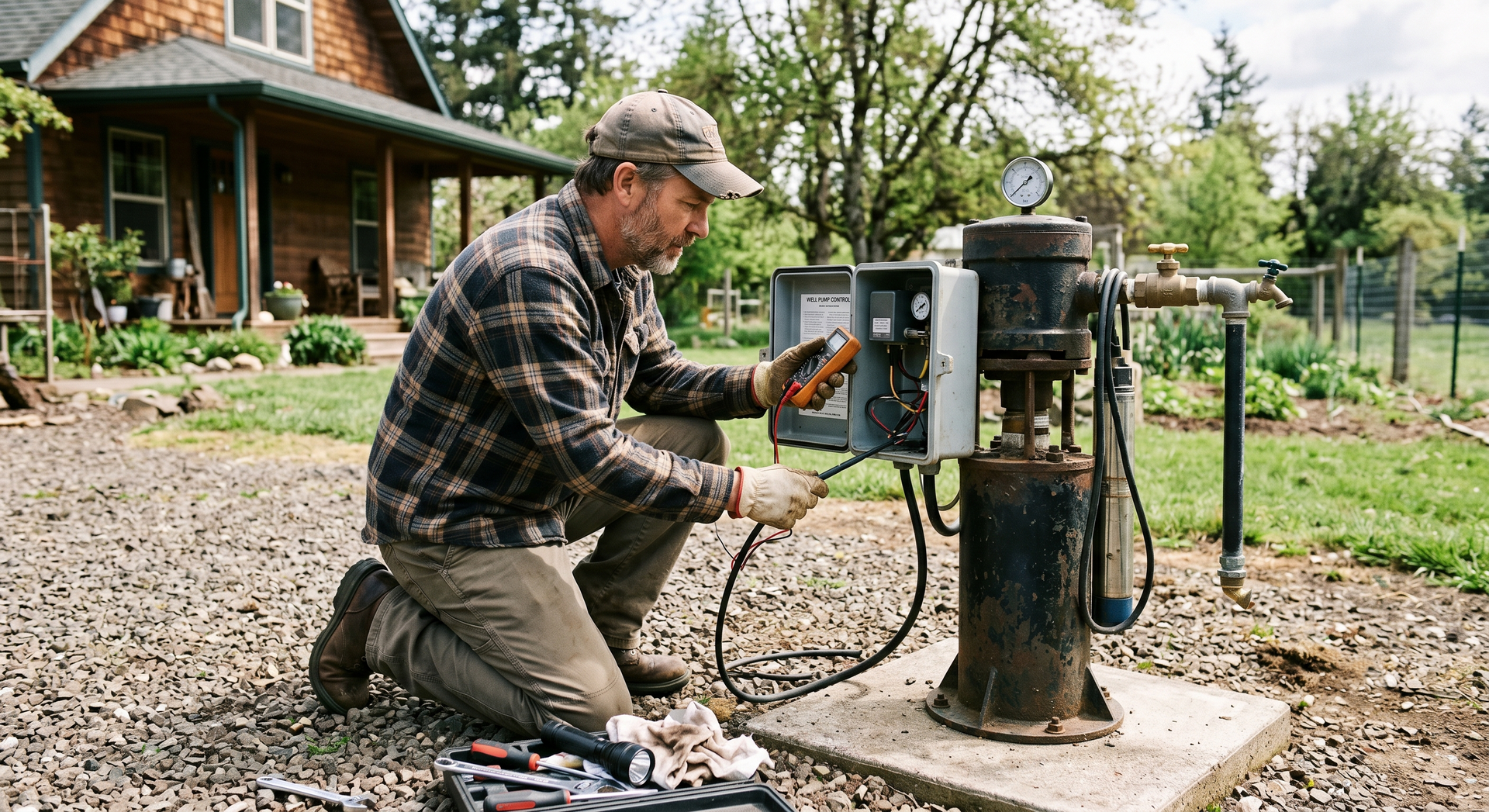
A technician can evaluate whether the problem involves the pump, electrical controls, pressure switch, pressure tank, piping, or available water supply. That information provides a stronger basis for comparing repair and replacement.
It also helps answer the most important question: Which option is more likely to restore dependable water service without paying for equipment the property does not need?
Frequently Asked Questions
Is it cheaper to repair or replace a well pump?
Repair generally has a lower immediate cost when the problem is limited and the pump remains in good condition. Replacement may provide better value when failures are recurring or the pump has significantly deteriorated.
How do I know if my well pump is failing?
Possible signs include reduced water pressure, longer run times, unusual noises, inconsistent water delivery, frequent cycling, or complete loss of water. These symptoms can also have other causes.
Can a pressure tank problem look like pump failure?
Yes. Pressure tank and pressure control problems can affect cycling and water pressure in ways that resemble pump trouble. Both should be evaluated before replacing the pump.
Should I repair an older well pump?
It depends on its condition, repair history, performance, and the nature of the failure. Age alone is not enough to determine whether replacement is necessary.
Get Well Pump Service in Livingston, TX
The right choice between repair and replacement starts with knowing what has actually failed. Replacing a pump unnecessarily wastes money, while repeatedly repairing deteriorating equipment can create its own costs.
Vanya Water Well Services provides professional well pump repair, replacement, pressure tank work, and preventive maintenance for Livingston and surrounding East Texas communities.
If your well pump is losing performance or has stopped working, contact Vanya Water Well Services for a professional evaluation before deciding whether to repair or replace it.